
Why mobile reading apps are evolving beyond ebooks today
Anúncios
Mobile reading apps are no longer just tools for opening static digitized PDFs or EPUB files on a small screen.
Modern platforms are transforming into dynamic content ecosystems that combine interactive media, community engagement, generative curation, and multimodal learning formats.
Readers today demand flexible environments that accommodate audio, summarized insights, serial narrative drops, and real-time social discussion within a single interface.
Key Takeaways
- Multimodal Formats: Modern readers shift seamlessly between audio, text, and interactive summaries depending on their immediate context.
- Micro-Content & Serialized Stories: Serialization and short-form storytelling platforms cater to shorter attention spans and mobile-first daily routines.
- Community-Driven Features: In-app book clubs, live annotations, and social feed integrations turn solitary reading into a shared event.
- AI Curation & Personalization: Intelligent discovery engines deliver hyper-targeted recommendations based on active reading pace and cross-genre interests.
How Are Mobile Reading Apps Shifting Beyond Traditional Ebooks?
Traditional ebooks replicated the physical print experience on e-ink or LCD screens. That static model falls short for digital natives who expect interactivity and adaptability.
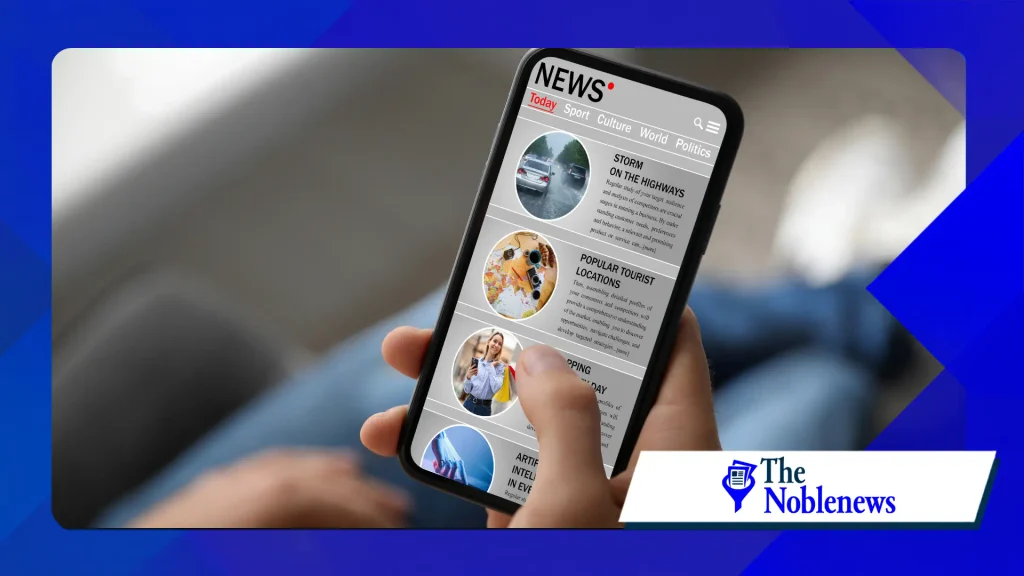
Modern applications integrate audiobooks, synchronized text highlighting, short-form serialization, and interactive media into unified digital hubs.
Mobile screens compete continuously with video platforms, gaming, and social messaging feeds.
Reading app developers now build dynamic environments designed to maintain focus through immersive features.
Audio-text synchronization allows users to read text while walking to work and seamlessly continue listening through headphones without losing their spot.
Interactive elements like embedded media, clickable glossaries, and community discussion layers make content active rather than passive.
Publications like the Pew Research Center Audio & Media Trends Report highlight how digital media consumption habits continuously pivot toward audio-visual hybrid models, driving app developers to adapt their core interfaces.
What Key Features Define Next-Generation Mobile Reading Apps?
Next-generation reading platforms differentiate themselves through continuous value delivery, adaptive design, and deeply integrated utility.
++ The rise of creator storefront apps beyond influencer links
Rather than functioning purely as digital document stores, these tools actively help readers discover, process, and retain information efficiently.
| Feature Category | Traditional Ebook Apps | Next-Gen Mobile Reading Apps | Primary Reader Benefit |
| Media Format | Static text (EPUB/PDF) | Hybrid text, audio, and visual embeds | Seamless transition across daily contexts |
| Content Delivery | Full-book single purchases | Serialized drops, micro-reads, subscriptions | Lower friction for daily reading habits |
| Discovery Engine | Basic bestseller lists | Algorithmic contextual curation | Highly tailored content matching user intent |
| Social Layer | Solitary reading | Inline margins, live book clubs, shared highlights | Active community engagement and discourse |
| Retention Tools | Simple bookmarks | Flashcards, AI summaries, progress tracking | Enhanced memory retention and actionable learning |
The data in this breakdown illustrates how mobile platforms prioritize long-term user engagement over simple file hosting.
Why Is Serialized and Short-Form Content Taking Over Digital Reading?
Subscription models and episodic releases are reshaping publisher strategies and reader expectations.
Platforms like Wattpad, Radish, and Serial Box proved that serialized content keeps readers returning daily.
Breaking long texts into manageable, bite-sized episodes aligns directly with commuting schedules and micro-breaks.
Micro-reading apps cater to non-fiction audiences who desire rapid skill acquisition. Concise key-insight summaries allow users to extract core concepts from non-fiction titles in 15 minutes or less.
Readers frequently use these condensed formats to decide whether to invest time in a full-length book.
Fiction genres also thrive under serialized structures. Authors release chapters weekly or daily, creating cliffhangers that fuel active comment sections beneath individual pages.
Read more: Why digital wellbeing apps are seeing record engagement
Writers adjust storylines based on real-time reader feedback, transforming storytelling into an interactive loop between creator and audience.
How Do Social and Community Layers Drive App Engagement?
Reading was historically a solitary activity, but modern platforms build connected digital communities directly inside the reading workspace.
Readers annotate passages, share insights, and discuss plot twists with global networks in real time.
Social layers within apps like Fable or StoryGraph foster accountability through group challenges and shared reading goal trackers.
++ Why methane hydrate deposits matter for future energy needs
Margin conversations permit readers to view comments left by friends or favorite authors on specific sentences. Interactive features turn long-form text into vibrant discussion forums.
- Live Marginalia: Readers leave thoughts pinned to specific lines, creating a collective layer of commentary.
- Shared Goal Tracking: Gamified reading streaks encourage consistent daily habits alongside peer groups.
- Direct Author Interaction: Creators run live Q&A sessions within the app alongside chapter releases.
This social integration dramatically increases user retention. Readers return not just for the text itself, but for the conversations happening alongside it.
What Role Does AI and Personalization Play in the Future of Reading?
Generative artificial intelligence and machine learning serve as powerful underlying infrastructure for modern reading platforms.
Smart recommendation engines analyze reading speed, genre preferences, highlighting habits, and drop-off points to curate personalized feeds.
AI-driven context tools assist non-fiction readers dealing with complex technical or historical texts.
Instant contextual lookup features provide background explanations, translations, or character recaps without requiring the reader to leave the page or app.
Publishers utilize analytics tools, such as those discussed in reports on U.S. Media Industry Standards, to understand drop-off rates and optimize content delivery for mobile devices.
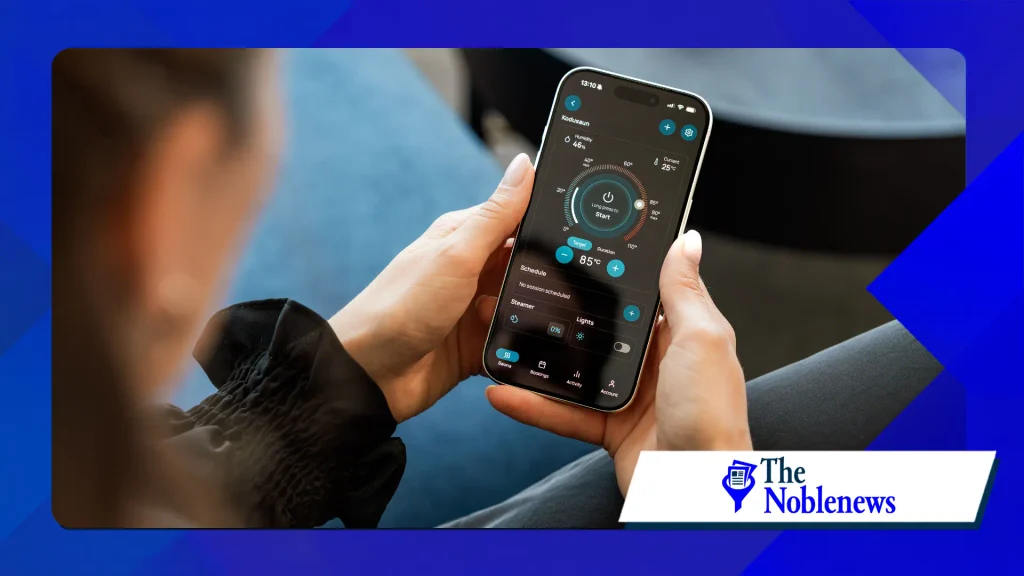
Readers receive adaptive layouts that automatically adjust font sizes, contrast, and spacing to minimize eye strain based on ambient lighting conditions.
Next Steps for Content Readers and Creators
Readers looking to maximize their digital experience should explore apps offering multimodal sync and social annotation features to discover new formats.
Testing diverse applications helps clarify whether serialized fiction, condensed non-fiction summaries, or community-driven book clubs best fit daily routines.
Content creators and publishers must adopt mobile-first formatting strategies immediately.
Designing flexible stories that translate seamlessly across text and audio formats guarantees broader reach across emerging digital reading platforms.
Frequently Asked Questions
What are mobile reading apps beyond ebooks?
Mobile reading apps beyond ebooks are digital platforms that offer multimodal formats, such as audio-text synchronization, serialized episodic stories, condensed non-fiction summaries, interactive visuals, and embedded social features, going beyond static digital documents.
How does audio-text sync work in modern reading apps?
Audio-text sync aligns a book’s written text with its professional audio narration.
The app highlights words on screen in real time as the narration plays, allowing readers to swap between reading and listening without losing track of their current position.
Are serialized reading platforms replacing full-length ebooks?
Serialized reading platforms are not replacing traditional full-length books; instead, they complement them.
Serialized apps serve readers seeking bite-sized, episodic content during quick daily breaks, while full-length ebooks continue to serve immersive long-form reading sessions.
Why is social reading becoming popular on mobile devices?
Social reading turns reading into an interactive, shared experience.
Users connect over live marginalia, shared goals, and book club discussions within the app, satisfying the desire for community and shared discovery around written content.
++ The Rise in eBooks: Embracing a Digital Literary Revolution
++ Evolution of Digital Reading: What Changed?
\