
Wie Filmrestaurierungsprojekte die Filmgeschichte heute bewahren
Anzeigen
Das Kino ist eine bemerkenswert fragile Kunstform. Über 701.000 Tonnen Stummfilme sind für immer verloren, und Tausende von Klassikern, die auf Nitrat- oder Acetatfilm aufgenommen wurden, verfallen still und leise in Archiven auf der ganzen Welt.
Zum Glück, modern Filmrestaurierungsprojekte arbeiten rund um die Uhr daran, dieses kulturelle Erbe zu retten, indem sie traditionelle Handwerkskunst mit modernster digitaler Technologie verbinden, um sicherzustellen, dass zukünftige Generationen das Kino so erleben können, wie es ursprünglich gedacht war.
Bei der Restaurierung eines Films geht es nicht nur darum, ein altes Bild auf einem 4K-Bildschirm hell und glänzend aussehen zu lassen.
Es handelt sich um einen sorgfältigen ethischen Prozess, bei dem die Geschichte bewahrt und gleichzeitig die ursprüngliche künstlerische Intention der Regisseure und Kameraleute gewürdigt wird.
Die wichtigsten Erkenntnisse
- Die Zerbrechlichkeit von Filmen: Physikalische Filmspulen unterliegen aufgrund chemischer Zersetzungsprozesse wie dem Essigsäure-Syndrom und dem Nitratabbau einer schnellen Alterung.
- Analog trifft Digital: Die Restaurierung basiert auf einem präzisen hybriden Arbeitsablauf, der optische physikalische Reparatur mit hochauflösendem digitalem Scannen kombiniert.
- Moderne ethische Standards: Restauratoren haben das Ziel, die ursprüngliche Intention zu bewahren, indem sie Schäden beseitigen, die Maserung und die beabsichtigten künstlerischen Entscheidungen aber intakt lassen.
- Zugang und Langlebigkeit: Die digitale Archivierung bewahrt Filme langfristig und ermöglicht gleichzeitig den Zugang zu seltenen Filmen durch Streaming und Kinowiederaufführungen.
Warum sind Filmrestaurierungsprojekte so wichtig für die Bewahrung des kulturellen Erbes?
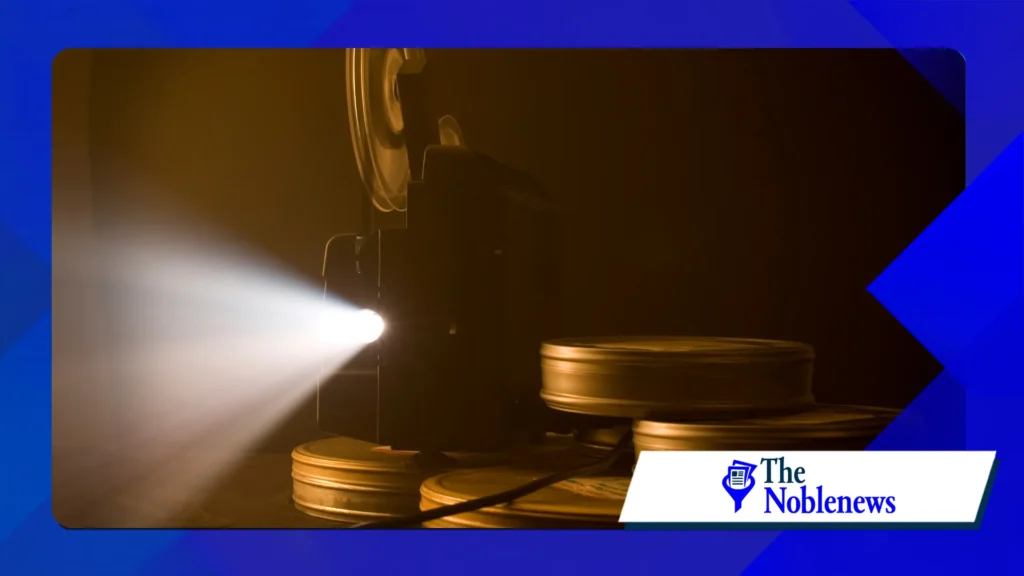
Zelluloidfilm hat eine sehr begrenzte Haltbarkeit. Frühe Kinofilme wurden auf Zellulosenitrat gedreht, einer flüchtigen Verbindung, die zu plötzlichem Zerfall und extremer Entflammbarkeit neigt.
In den 1950er Jahren stellten die Studios auf Celluloseacetat-„Sicherheitsfolie“ um, doch dieses Material barg seine eigenen Probleme: das Essigsäuresyndrom. Dabei führt Feuchtigkeit dazu, dass die Trägerfolie schrumpft, sich wellt und einen stechenden Essigsäuregeruch verströmt.
Neben der Rettung physischer Objekte retten diese Initiativen auch verlorene Perspektiven.
Unabhängige Filme, Werke von wegweisenden Regisseurinnen und frühe Stummfilme aus unterrepräsentierten Bevölkerungsgruppen sind oft dem höchsten Risiko der Aufgabe ausgesetzt.
Die Rettung dieser Titel fügt der Filmgeschichte fehlende Kapitel hinzu.
Ohne aktives Eingreifen verschwinden unschätzbare Kulturgüter einfach zu Staub.
Organisationen, die sich der Archivwissenschaft widmen – wie zum Beispiel die Nationales Filmerhaltungsamt der Library of Congress—kontinuierlich daran arbeiten, gefährdete Filmrollen zu identifizieren und gefährdete Werke zu katalogisieren, bevor der physische Verfall sie unscanbar macht.
Wie funktioniert die Filmrestaurierung Schritt für Schritt?
Die Umwandlung einer beschädigten, verfallenden Filmrolle in ein makelloses digitales Master erfordert Hunderte von Stunden Handarbeit und computergestützter Bearbeitung. Restauratoren befolgen eine strenge Arbeitsreihenfolge, um das Originalmedium zu schützen.
[Physische Filmprüfung & -reparatur] ➔ [Wet-Gate 4K/8K-Scanning] ➔ [Digitale Einzelbildreparatur] ➔ [Farbkorrektur & Audio-Mastering]
1. Sichtprüfung und mechanische Reparatur
Bevor eine Filmrolle in den Scanner gelangt, wird jeder Meter Film von Technikern unter spezieller Beleuchtung von Hand geprüft.
Sie reparieren eingerissene Perforationen, flicken gebrochene Verbindungsstellen und entfernen Oberflächenschmutz mithilfe spezieller chemischer Bäder.
++ Wie das Repertoirekino eine neue Generation von Filmfans anzieht
2. Hochauflösendes digitales Scannen
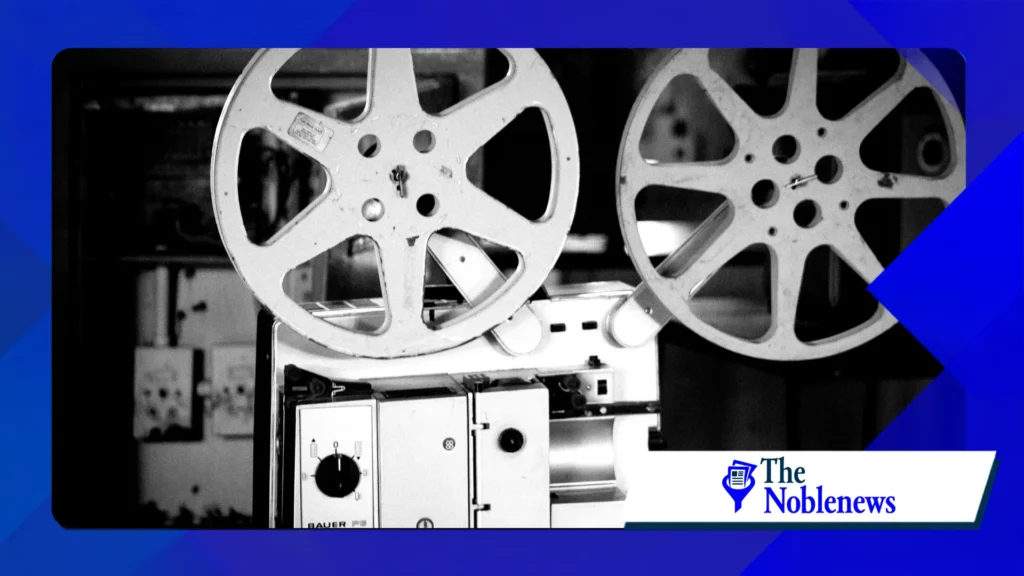
Nach der Stabilisierung wird der physische Film einem hochauflösenden Scan unterzogen, typischerweise mit einer Auflösung von 4K oder 8K.
Restauratoren nutzen häufig eine Technologie namens „Wet-Gate-Scanning“, bei der eine Flüssigkeit mit passendem Brechungsindex während der Aufnahme vorübergehend Oberflächenkratzer füllt und so kleinere physische Schäden auf der optischen Seite effektiv kaschiert.
3. Digitale Reinigung und Einzelbildreparatur
Digitale Restaurierungskünstler entfernen Staubpartikel, Schimmelflecken, Flimmern und Verzerrungen.
Mehr lesen: Wie Filmreihen treue Fangemeinden aufbauen
Für die wiederkehrende Hintergrundbereinigung kommt spezielle Software zum Einsatz, die komplexe Wiederherstellung fehlender Einzelbilder erfordert jedoch eine mühsame manuelle Rekonstruktion anhand angrenzender visueller Daten.
4. Farbkorrektur und Audio-Restaurierung
Die Koloristen arbeiten mit noch lebenden Filmemachern oder historischen Referenzkopien zusammen, um den ursprünglichen Farbraum nachzubilden.
Gleichzeitig extrahieren Toningenieure den Ton von optischen oder magnetischen Spuren, isolieren die Dialoge und entfernen gleichzeitig Hintergrundrauschen, Knackgeräusche und Knistern.
++ Warum die Fangemeinden der Urban Fantasy jedes Jahr weiter wachsen
Traditionelle Archivierung vs. moderne digitale Restaurierung
Das Verständnis des Wandels in den Archivierungstechniken verdeutlicht, wie weit sich das Fachgebiet in den letzten zwei Jahrzehnten entwickelt hat.
| Besonderheit | Traditionelle analoge Konservierung | Moderne digitale Restaurierung |
| Primärmedium | Fotochemische Abzüge aus Polyesterfilm | 4K/8K Digital Intermediate & LTO-Bänder |
| Kratzerentfernung | Optisches Nassanguss-Druckverfahren | Digitale Einzelbildretusche |
| Lebenserwartung | Über 500 Jahre (kalte, trockene Lagerung im Tresor) | Erfordert alle 5–10 Jahre eine aktive Datenmigration. |
| Farbgenauigkeit | Begrenzt durch die chemische Farbstoffchemie | Dynamische, exakte Farbraumanpassung |
| Zugänglichkeit | Beschränkt auf spezialisierte Archivtheater | Weltweiter Vertrieb über Streaming und physische Medien |
Welchen Herausforderungen stehen Restauratoren im Umgang mit KI und moderner Farbkorrektur gegenüber?
Technologie bietet zwar enorme Effizienzgewinne, wirft aber gleichzeitig erhebliche ethische Dilemmata auf.
Generative KI-Tools können automatisch Rauschen entfernen, Filmkorn glätten und Schwarzweißaufnahmen in Sekundenschnelle kolorieren.
Allerdings zerstört eine übermäßige Automatisierung häufig die organische Textur, die Zelluloid so einzigartig macht.
Eine zu starke Reduzierung des Filmkorns mit aggressiver digitaler Rauschunterdrückung (DNR) lässt die Schauspieler wie polierte Wachsfiguren aussehen.
Echte Filmkonservierungsspezialisten stellen Authentizität über modernen Hochglanz. Filmkorn enthält hochfrequente visuelle Informationen; seine Entfernung beraubt wesentliche fotografische Details.
Organisationen wie die Kriteriensammlung Branchenweit Maßstäbe setzen, indem nach Möglichkeit immer die ursprünglichen Kameramänner einbezogen werden.
Wenn die wichtigsten Urheber nicht mehr leben, konsultieren Restauratoren historische Farbstoffübertragungsdrucke, Produktionsnotizen und zeitgenössische Theaterkritiken, um zu vermeiden, dass moderne visuelle Vorurteile auf historische Kunstwerke angewendet werden.
Wie können Zuschauer heute die Filmerhaltung unterstützen?
Die Erhaltung erfordert erhebliche finanzielle Investitionen, die für einen einzelnen Spielfilm oft zwischen 1.500.000 und über 250.000 Pfund Sterling liegen. Öffentliche Unterstützung spielt eine entscheidende Rolle bei der Finanzierung dieser langfristigen Bemühungen.
- Kauf physischer Medien: Der Kauf von Blu-ray- und 4K-Veröffentlichungen von Boutique-Anbietern finanziert direkt zukünftige Restaurierungsprojekte für gemeinnützige Archive und spezialisierte Vertriebsfirmen.
- Besuchen Sie Archivvorführungen: Lokale Programmkinos und Filmprogramme sind auf Ticketverkäufe angewiesen, um die Anmietung restaurierter Archivkopien zu rechtfertigen.
- Spenden Sie an gemeinnützige Denkmalschutzorganisationen: Wohltätigkeitsstiftungen nehmen steuerlich absetzbare Spenden entgegen, die speziell für die Rettung gefährdeter Waisenfilme bestimmt sind.
- Abonnieren Sie spezielle Streaming-Plattformen: Streaming-Kanäle, die sich auf klassisches, ausländisches und unabhängiges Kino konzentrieren, verwenden die Abonnementeinnahmen für Lizenzverlängerungen und Remastering-Initiativen.
Häufig gestellte Fragen
Worin besteht der Unterschied zwischen Filmerhaltung und Filmrestaurierung?
Die Filmkonservierung konzentriert sich auf die physische Stabilisierung, Reparatur und Lagerung der originalen Filmelemente in klimatisierten Archiven, um weiteren Verfall zu verhindern.
Bei der Filmrestaurierung wird noch ein Schritt weiter gegangen, indem vorhandene Schäden aktiv behoben, das Filmmaterial farblich korrigiert und der Ton gereinigt wird, um den Film so nah wie möglich an seinen ursprünglichen Premierenzustand zurückzuversetzen.
Warum ist bei restaurierten Filmen immer noch Filmkorn zu sehen?
Filmkorn ist eine natürliche visuelle Eigenschaft von fotochemischen Filmemulsionen. Die vollständige Entfernung des Korns zerstört feine Details und die Textur, wodurch die Bilder künstlich wirken.
Professionelle Restauratoren erhalten die natürliche Maserung, um das ursprüngliche Material zu respektieren und die Bildschärfe zu bewahren.
Wie lange dauert die Restaurierung eines Spielfilms?
Die Restaurierungszeiten variieren stark je nach Zustand des Ausgangsmaterials.
Bei einem gut erhaltenen Negativ kann die Bearbeitung einige Wochen dauern, während stark beschädigte oder abgenutzte Elemente mehrere tausend Stunden manueller digitaler Arbeit über ein ganzes Jahr hinweg erfordern können.
Sind digitale Backups sicherer als die physische Filmarchivierung?
Digitale Dateien bieten zwar eine einfache Verteilung und Vervielfältigung, aber Festplatten und digitale Formate veralten schnell und erfordern eine kontinuierliche Datenmigration.
Hochwertige Polyesterfolie, die in kalten, trockenen Tresoren gelagert wird, bleibt das stabilste Langzeitmedium und kann mehrere Jahrhunderte ohne Datenverlust überdauern.
++ Restauration als Neugestaltung der Geschichte
++ Geschichte verstehen und bewahren: Die Bedeutung der Filmerhaltung
