
Warum die Mikroplastikforschung die Umweltwissenschaften verändert
Anzeigen
Jahrzehntelang betrachtete die Umweltwissenschaft die Plastikverschmutzung vor allem als ein Problem im großen Maßstab – eine sichtbare Plage, die Meeresströmungen verstopft und sich auf Mülldeponien anhäuft.
Heute, Pionierarbeit Mikroplastikforschung ist von grundlegender Bedeutung für unser Verständnis der globalen Ökosystemgesundheit, der atmosphärischen Dynamik und der Humantoxikologie.
Wissenschaftler betrachten diese synthetischen Partikel nicht länger als inerten Abfall; sie analysieren sie als aktive geochemische Faktoren, die in der Lage sind, grundlegende natürliche Kreisläufe zu verändern.
Der Wandel in diesem Bereich vollzieht sich rasant. Moderne Analysemethoden ermöglichen es Forschern, Nanoplastik zu identifizieren, synthetische Fasern in Wolkenformationen zu verfolgen und metabolische Gefahren für zelluläre Organismen zu bewerten.
Dieser Artikel beschreibt, wie bahnbrechende Erkenntnisse in der Mikroplastikforschung die Umweltpolitik, die Feldmethodik und die Risikobewertungsmodelle weltweit verändern.
Wichtigste Erkenntnisse:
- Moderne Analysetechnologien können Mikroplastik bis hinunter zur Submikron- und Nanoplastikskala nachweisen.
- Atmosphärische Transportmodelle beweisen, dass Mikroplastik wie natürlicher Staub durch globale Wettersysteme zirkuliert.
- Die toxikologischen Ansätze haben ihren Fokus von Verdauungsblockaden hin zu zellulären Entzündungen und der Freisetzung von Chemikalien verlagert.
- Die Regulierungspolitik entwickelt sich von freiwilligen Reduktionszielen hin zu rechtsverbindlichen internationalen Verträgen.
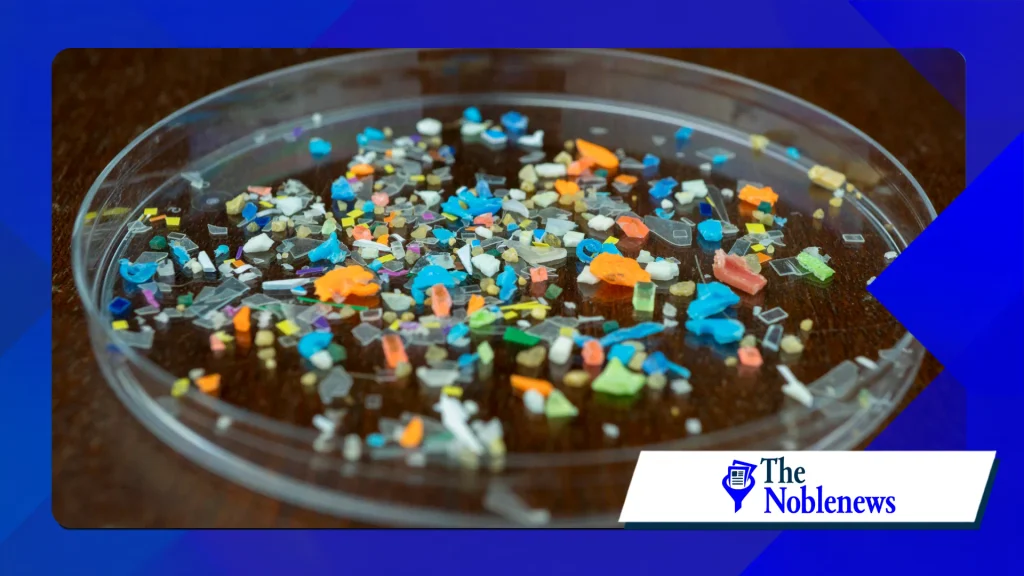
Wie hat sich die Mikroplastikforschung über die Säuberung der Ozeane hinaus weiterentwickelt?
Die frühen Umweltüberwachungen konzentrierten sich stark auf die Meeresoberflächengewässer und sammelten treibende Abfälle mit Standard-Planktonnetzen.
Mit dieser Methode konnten zwar große synthetische Fragmente erfasst werden, kleinere, potenziell gefährlichere Partikel wurden jedoch übersehen.
Aktuelle Feldstudien belegen, dass Mikroplastik in alle Bereiche der Biosphäre eindringt.
Forscher isolieren regelmäßig Polymerfasern aus Hochgebirgsgletschern, abgelegenen Bodenproben und Tiefseegräben.
Die Atmosphärenwissenschaft hat dadurch einen grundlegenden Paradigmenwechsel erfahren. Synthetische Mikrofasern legen mit troposphärischen Winden weite Strecken zurück und fallen als Niederschlag in unberührte Wildnisgebiete.
Folglich beziehen Klimamodelle nun auch in die Bewertung der Auswirkungen von Mikroplastik in der Luft ein, um deren Einfluss auf die Wolkenbildung und die Absorption von Sonnenstrahlung zu beurteilen.
| Forschungszeitalter | Nachweisgrenze | Primärer Schwerpunktbereich |
| Frühe Studien (2000er Jahre) | > 300 Mikrometer (µm) | Oberflächenverschmutzung der Meere |
| Mittlerer Zeitraum (2010er Jahre) | ~ 10 bis 50 Mikrometer (µm) | Aufnahme von Meerestieren |
| Moderne Ära (Gegenwart) | < 1 Mikrometer (Nanoplastische Skala) | Globaler Transport und menschliche Biologie |
Warum verändern analytische Methoden das Fachgebiet?
Der Nachweis kleinster Polymerfragmente in komplexen organischen Matrices stellte jahrzehntelang eine enorme Herausforderung dar.
Die herkömmliche visuelle Zählung führte zu einer signifikanten Anzahl falsch positiver Ergebnisse und einer Unterschätzung mikroskopischer Partikel.
Die Einführung fortschrittlicher spektroskopischer Verfahren hat alles verändert.
Umweltchemiker nutzen heute Pyrolyse-Gaschromatographie-Massenspektrometrie (Py-GC-MS), Raman-Spektroskopie und Fourier-Transform-Infrarotmikroskopie (FTIR), um Proben mit molekularer Präzision zu charakterisieren.
„Fortschrittliche chemische Bildgebungsverfahren ermöglichen es Forschern, den genauen Polymertyp, das Additivprofil und das Abbaustadium von Submikronpartikeln direkt im biologischen Gewebe zu identifizieren.“
++ Der Aufstieg der synthetischen Biologie und ihre praktischen Anwendungen
Mithilfe dieser Instrumente können Wissenschaftler zwischen primären Mikroplastikpartikeln (künstlich hergestellten Mikrokügelchen) und sekundären Mikroplastikpartikeln (Abbauprodukte aus Reifen, Textilien und Verpackungen) unterscheiden.
Die Identifizierung des Partikelursprungs ermöglicht es den Regulierungsbehörden, gezielt gegen bestimmte industrielle Lieferketten vorzugehen, anstatt allgemeine Verbote zu verhängen.
Was sind die neuesten toxikologischen Erkenntnisse zu Mikroplastik?
Das Paradigma in Bezug auf biologische Bedrohungen hat sich von makroskopischen Gefahren im Gewässer hin zu zellulären Wechselwirkungen im Mikromaßstab verlagert.
Mehr lesen: Die neue Wissenschaft hinter klimaresistenten Nutzpflanzen
Ältere Studien untersuchten, ob Tiere Plastik verschluckten; moderne Forschung verfolgt, wohin diese Partikel im lebenden Gewebe wandern.
Nanoplastik kann Epithelbarrieren überwinden und so in den Blutkreislauf und die Organsysteme lebender Organismen gelangen.
Diese Partikel setzen chemische Zusatzstoffe – wie Phthalate, Bisphenole und Flammschutzmittel – direkt in das Gewebe frei.
Darüber hinaus beobachten Wissenschaftler den sogenannten „Ökokorona“-Effekt, bei dem Mikroplastik Schwermetalle, organische Schadstoffe und Krankheitserreger aus dem umgebenden Wasser aufnimmt.
Detaillierte toxikologische Daten und Informationen zu laufenden Forschungsinitiativen zu Umweltkontaminanten finden Sie in den Aktualisierungen der [Name der Organisation/Institution einfügen]. US-Umweltschutzbehörde.
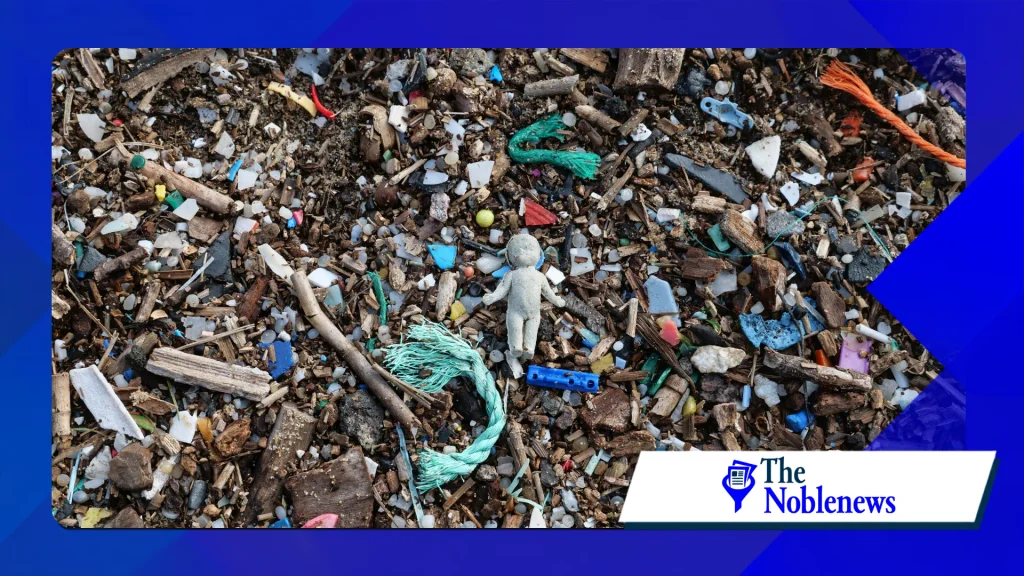
Wie beeinflusst die Forschung die internationale Umweltpolitik?
Der wissenschaftliche Konsens über die Transportmechanismen von Kunststoffen trägt aktiv zur Neugestaltung des globalen Umweltrechts bei.
Die Überwachungsdaten fließen direkt in die Ausarbeitung rechtsverbindlicher globaler Abkommen ein, die darauf abzielen, die Kunststoffproduktion und die Emissionen über den gesamten Lebenszyklus hinweg einzudämmen.
Staatliche und bundesstaatliche Aufsichtsbehörden fordern zunehmend, dass kommunale Wasseraufbereitungsanlagen auf synthetische Mikrofasern testen.
Bei der Modernisierung der Filtrationsinfrastruktur liegt der Schwerpunkt nun auf Membranbioreaktoren, die in der Lage sind, kleinste Partikel abzufangen, bevor das Abwasser in die Flusssysteme gelangt.
Im weiteren Sinne werden die rechtlichen Definitionen gefährlicher Schadstoffe angepasst.
Politikexperten stützen sich auf die von der Nationale Ozean- und Atmosphärenbehörde, um Programme zur Reduzierung von Meeresmüll und zum Schutz von Wassereinzugsgebieten zu strukturieren.
Welche neuen Extraktionstechnologien revolutionieren die Bodenanalyse?
Bei aktuellen Untersuchungen der Bodenmatrix kommt es häufig zu starken organischen Störungen während der Extraktion.
Um diese Einschränkung zu überwinden, nutzen die Forscher die automatisierte Druckflüssigkeitsextraktion in Verbindung mit beschleunigten Lösungsmittelsystemen.
++ Der Aufstieg von Rucking-Workouts jenseits des militärischen Trainings
Diese Verfahren trennen synthetische Polymerfragmente von komplexen landwirtschaftlichen Böden ab, ohne die strukturelle Integrität der Partikel zu verändern.
Folglich können Umweltwissenschaftler die Mikroplastikkonzentrationen in landwirtschaftlichen Flächen präzise quantifizieren und so wichtige Daten über landwirtschaftliche Abflüsse und die langfristige Verschlechterung der Bodengesundheit gewinnen.
Wie beeinflussen Biofilmbildungen die Transportdynamik von Mikroplastik?
Gelangen synthetische Partikel in aquatische Umgebungen, besiedeln Mikroben rasch deren Oberflächen und bilden komplexe biologische Schichten, sogenannte Biofilme.
Diese biologische Beschichtung erhöht die Dichte von leichten Polymeren erheblich, wodurch schwimmende Mikroplastikpartikel viel schneller in die benthischen Sedimentschichten absinken als bisher angenommen.
Das Verständnis dieser veränderten Transportdynamiken ermöglicht es Hydrologen, genaue Vorhersagemodelle hinsichtlich der Partikelsedimentation und der Risiken der Kontamination von Tiefseeökosystemen weltweit zu erstellen.
Warum stellen luftgetragene Nanoplastikpartikel eine Herausforderung für die Sicherheit der Innenraumluft dar?
In Innenräumen sind häufig deutlich höhere Mikroplastikkonzentrationen zu beobachten als in der Außenluft, was vor allem auf das Ablösen synthetischer Textilien und den Verschleiß von Möbeln zurückzuführen ist.
Aktuelle atmosphärische Messungen zeigen, dass Heizungs-, Lüftungs- und Klimaanlagen ultrafeine synthetische Fasern kontinuierlich in Wohnräumen zirkulieren lassen.
Diese Konzentration an einatembaren Nanoplastikpartikeln veranlasst Bauingenieure, die Standards für die Luftfiltration zu überarbeiten und höherwertige Partikelfilter in moderne Wohnraum-HLK-Systeme zu integrieren.
Was bringt die Zukunft für die Mikroplastikforschung?
Das nächste Jahrzehnt der Umweltforschung wird sich auf die Standardisierung globaler Probenahmemethoden und die Festlegung präziser Expositionsgrenzwerte konzentrieren.
Interdisziplinäre Teams, die Ozeanographie, Atmosphärenphysik und Humantoxikologie kombinieren, ersetzen isolierte Forschungsbereiche.
Die Sanierungsforschung schreitet ebenfalls voran. Umweltingenieure entwickeln biologische Lösungen im größeren Maßstab, beispielsweise mikrobielle Enzyme, die hartnäckige PET- und Polyurethanbindungen aufspalten können, ohne toxische Nebenprodukte zu erzeugen.
Die Mikroplastikforschung hat sich zu einer grundlegenden Disziplin innerhalb der Umweltwissenschaften entwickelt.
Indem Wissenschaftler aufdecken, wie synthetische Materialien auf molekularer Ebene mit natürlichen Systemen interagieren, liefern sie die notwendige empirische Grundlage zum Schutz von Ökosystemen und der menschlichen Gesundheit.
Häufig gestellte Fragen
Worin besteht der Hauptunterschied zwischen Mikroplastik und Nanoplastik?
Mikroplastikpartikel weisen eine Größe von 5 Millimetern bis hinunter zu 1 Mikrometer auf. Nanoplastikpartikel sind kleiner als 1 Mikrometer und können daher biologische Zellmembranen leicht durchdringen.
Wie gelangen Mikroplastikpartikel in die Atmosphäre?
Durch Abrieb im Straßenverkehr, Wellengang im Meer und Winderosion werden synthetische Mikrofasern in die Atmosphäre getragen, wo sie von Windströmungen global verteilt werden.
Können kommunale Wasserfiltersysteme Mikroplastik entfernen?
Standardmäßige Trinkwasseraufbereitungsanlagen entfernen einen hohen Prozentsatz größerer Mikroplastikpartikel, aber die Abscheidung von submikronen Nanoplastikpartikeln erfordert hochentwickelte Membranfiltrationssysteme.
++ Die unsichtbare Bedrohung: Wie Mikroplastik das Klima und die Ökosysteme unseres Planeten verändert
\