
Warum die Ästhetik von Retro-Anime die moderne Popkultur dominiert
Anzeigen
Scrollen Sie heute durch einen beliebigen Social-Media-Feed, eine Musikplattform oder ein Mode-Lookbook, und Sie werden es sofort entdecken.
Der warme, leicht körnige Charme von Retro-Anime-Ästhetik hat die moderne visuelle Kultur vollständig vereinnahmt.
Globale Streetwear-Marken überziehen ihre Flaggschiff-Kollektionen mit Vintage-Mecha-Designs, während Musiker Cel-Shading-Clips aus den 90er Jahren in Schleifen abspielen, um ihre Tracks visuell zu untermalen.
Grafikdesigner verabschieden sich zunehmend von hochglänzenden 3D-Renderings und setzen stattdessen auf handgezeichnete Unvollkommenheiten.
Diese visuelle Rebellion ist keine flüchtige Internet-Modeerscheinung. Das Publikum sehnt sich nach analoger Wärme in einer zunehmend sterilen, digital perfekten Welt.
Generative KI und makellose CGI dominieren die Mainstream-Medien, wodurch die menschliche Note japanischer Animationen des späten 20. Jahrhunderts besonders hochwertig und authentisch wirkt.
Die wichtigsten Erkenntnisse
- Die Wärme analoger Farben und die Unvollkommenheiten des Cel-Shading-Stils treiben eine visuelle Rebellion gegen sterile digitale Grafiken voran.
- Die Lo-Fi-Musikkultur und das Wiederaufleben des japanischen City Pop der 80er Jahre fungieren als die wichtigsten Verbreitungsmotoren für diesen Vintage-Stil.
- Globale Modehäuser vermarkten den Anime-Look der 90er Jahre aktiv durch aufsehenerregende, ausverkaufte Kooperationen.
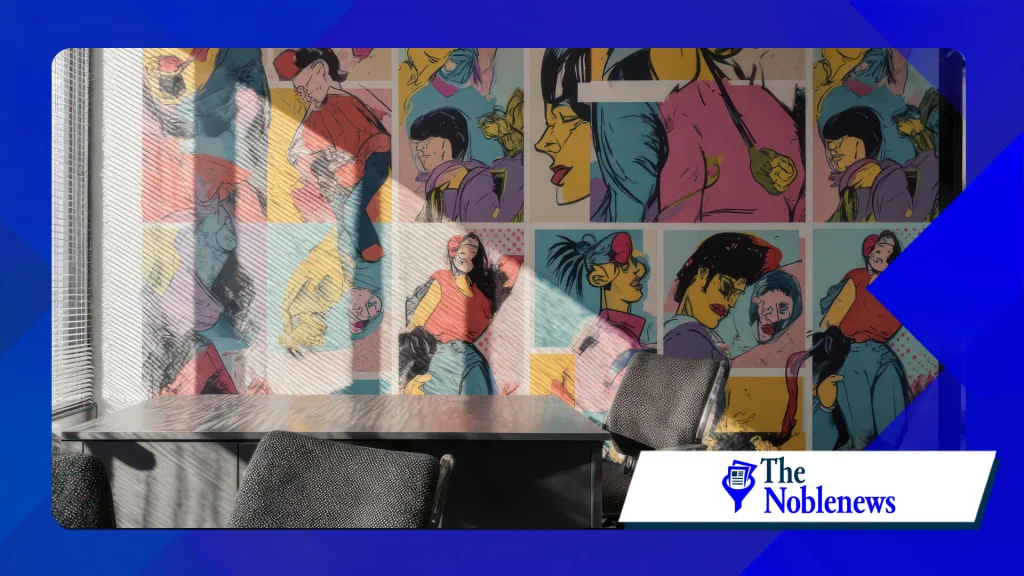
Was genau versteht man unter Retro-Anime-Ästhetik?
Als Vintage-Anime-Ästhetik bezeichnet man die spezifische Bildsprache japanischer Animationsfilme, die hauptsächlich zwischen den späten 1970er und den späten 1990er Jahren produziert wurden.
Die Studios dieser Ära setzten auf traditionelle Cel-Animation. Künstler malten die Figuren von Hand auf transparente Zelluloidfolien und fotografierten sie vor detaillierten, handgemalten Aquarellhintergründen.
Dieses analoge Verfahren erzeugte eine besondere physikalische Textur. Die Farben wirkten aufgrund der physischen Schichten aus Zelluloid und des verwendeten Filmmaterials etwas gedämpfter.
Weiche Beleuchtungstechniken, wie der berühmte „Einfallslicht“-Effekt, der in den Science-Fiction-OVAs (Original Video Animations) der 80er Jahre verwendet wurde, verliehen Neonreklamen und Laserstrahlen einen verschwommenen, traumähnlichen Glanz.
Moderne Interpretationen dieses Stils stellen diese historischen Beschränkungen bewusst wieder her.
Digitale Künstler fügen künstliches Filmkorn, chromatische Aberration und leichte Farbsäume hinzu, um den Look eines abgenutzten VHS-Bandes auf einem Röhrenfernseher nachzuahmen.
Warum findet der Anime-Look der 90er Jahre heute noch so großen Anklang?
Visuelle Ermüdung ist ein wesentlicher Faktor dieses kulturellen Wandels. Hochauflösende, hyperrealistische Medien erfordern ständige sensorische Reize.
Im Gegensatz dazu bietet die Ästhetik von Retro-Anime visuelle Ruhe. Die gedeckten Farben und die langsameren Bildwiederholraten wirken beruhigend auf den Betrachter und schaffen eine digitale Oase.
++ Das Wachstum unabhängiger Comicverlage jenseits von Superheldenbüchern
Nostalgie spielt bei dieser Übernahme eine mechanische Rolle. Millennials und ältere Mitglieder der Generation Z sind mit dem Anschauen von Serien aufgewachsen. Sailor Moon, Cowboy Bebop, Und Neon Genesis Evangelion im Nachmittagsprogramm des Fernsehens.
Als diese Generationen in globalen Branchen in die Rolle von Kreativdirektoren traten, brachten sie ihre grundlegenden visuellen Einflüsse mit.
Klanglandschaften beschleunigten diese visuelle Dominanz.
Die massive Verbreitung von Lo-Fi-Hip-Hop-Streams verband entspannende Beats untrennbar mit sich wiederholenden Animationen von Anime-Charakteren. Kulturwissenschaftler an Institutionen wie NPR
haben ausführlich dokumentiert, wie diese spezielle audiovisuelle Kombination eine neue Subkultur schuf, die sich ganz um gemütliche, analoge Flucht aus der Realität drehte.
Wie beeinflusst diese Ästhetik die moderne Mode und die Medien?
Haute Couture und Streetwear haben Vintage-Animationen aus dem Japanischen vollständig in ihre zentrale Designsprache integriert.
Luxushäuser betrachten die Geek-Kultur nicht länger als Nischenmarkt.
Die umfangreichen Kooperationen von Loewe mit Studio Ghibli haben gezeigt, dass Konsumenten bereit sind, Premiumpreise für sorgfältig gefertigte Kleidungsstücke mit Charakterdesigns im Stil der 90er Jahre zu zahlen.
Musikvideos ahmen regelmäßig das ikonische 4:3-Bildformat und die Cel-Shading-Farbgebung alter OVAs nach.
Bedeutende westliche Popkünstler beauftragen Animationsstudios mit der Nachbildung der düsteren Cyberpunk-Atmosphäre von Akira oder die pastellfarbene Romantik der Shoujo-Manga der 80er Jahre für ihre Visualisierer.
Lesen Sie hier: Wie das Tokusatsu-Revival wieder ein globales Publikum erreicht
Diese Ästhetik dominiert auch die Indie-Spieleentwicklung. Entwickler vermarkten ihre Spiele explizit mit Grafik-Tags wie „PS1-Ära“ oder „Anime der 90er“.
Diese Entwickler lehnen Fotorealismus ab und setzen stattdessen auf Low-Poly-Modelle in Kombination mit handgezeichneten Charakterporträts im Anime-Stil.
Welche Elemente unterscheiden Retro-Anime-Stile von moderner Animation?
Das Verständnis der technischen Unterschiede trägt dazu bei, zu verdeutlichen, warum sich der Vintage-Look so deutlich von den aktuellen Sendungen unterscheidet.
| Besonderheit | Retro-Anime (80er/90er Jahre) | Modernes Anime (nach 2000) |
| Färbung | Handbemalte Zelluloidfolien, gedeckte Farben, physikalische Pigmente | Digitale Farbgebung, hohe Sättigung, exakte Hex-Codes |
| Beleuchtung | Hinterleuchtete Cels, sanftes Airbrush-Leuchten | Komplexe digitale Bildkomposition, Raytracing, scharfe Lichtreflexe |
| Hintergründe | Handgemalte Aquarelle, hohe Detaildichte | 3D-modellierte Umgebungen, digitale Matte Painting |
| Textur | Filmkorn, Zellulosestaub, leichte Farbverschiebung | Makellos saubere Ausgabe, gestochen scharfe Vektorlinien |
| Einrahmen | Bildformat 4:3 (Standard-TV-Format) | 16:9-Seitenverhältnis (Breitbild-HD-Format) |
Was sind die wichtigsten visuellen Merkmale des Vintage-Anime-Stils?
Wenn Sie diesen spezifischen visuellen Trend erkennen oder nachbilden möchten, achten Sie auf folgende grundlegende Elemente:
Pastellfarbene Sonnenuntergänge und violetter Himmel: Eine starke Betonung melancholischer, atmosphärischer Dämmerungsfarbgebung.
Komplexe mechanische Schattierung: Hochdetaillierte, metallische Schattierungen auf Alltagsgegenständen wie Kassettenrekordern, Autos und Verkaufsautomaten.
++ Wie VR-Ferninspektionen Zeit auf Baustellen sparen
Oversize-Mode: Charaktere in detailgetreuer, kulturell authentischer Streetwear der 80er und 90er Jahre (weite Jacken, High-Top-Sneaker).
VHS-Spurierungsartefakte: Beabsichtigte visuelle Fehler, Scanlines und leichte Bildverzerrungen.
Ausdrucksstarkes Augendesign: Markante, hochdetaillierte Augenstrukturen mit deutlich handgezeichneten Glanzlichtern.
Wohin entwickelt sich der Trend zu analogem Anime als Nächstes?
Die Nachfrage nach physischer, von Menschenhand geschaffener Kunst wird mit der zunehmenden Verbreitung synthetischer Medien nur noch steigen.
Marken und Kreative, die die Ästhetik von Retro-Anime effektiv nutzen, verwenden sie als Abkürzung, um Authentizität zu signalisieren.
Marktanalysen von Plattformen wie Grand View Research, zeigt kontinuierlich ein explosives weltweites Wachstum des Anime-Konsums und festigt damit den Status des Mediums als Säule der globalen Popkultur.
Zukünftige Ausprägungen dieses Trends werden sich wahrscheinlich über reine visuelle Hommagen hinaus entwickeln. Wir sehen bereits, wie Kreative die Cel-Shading-Ästhetik der 90er-Jahre mit moderner Augmented Reality (AR) und physischen Pop-up-Erlebnissen verbinden.
Der Kernreiz bleibt jedoch unverändert: dem Publikum einen schönen, unvollkommenen Einblick in eine einfachere, analoge Vergangenheit zu bieten.
Häufig gestellte Fragen
Wie nennt man die Retro-Anime-Ästhetik?
Dieser Stil wird oft als „90er-Jahre-Anime-Ästhetik“, „Retro-Anime“ bezeichnet oder mit bestimmten Subgenres wie „Vaporwave“, „Synthwave“ oder „City Pop-Visual-Style“ in Verbindung gebracht.
Es gibt keinen einheitlichen offiziellen Namen, da es sich um mehrere Jahrzehnte japanischer Animationsgeschichte handelt.
Wie kann ich meine digitalen Kunstwerke im Stil von Anime der 90er Jahre gestalten?
Beginnen Sie mit einer etwas gedämpfteren Farbpalette und harten Schattierungen anstelle von weichen digitalen Pinseln.
Nach Fertigstellung der Zeichnung können Nachbearbeitungseffekte wie Filmkorn, eine leichte Unschärfe (um die Fokussierung der Kamera nachzuahmen) und chromatische Aberration angewendet werden, um das Aussehen von physischem Film zu simulieren.
Warum wird Lo-Fi-Musik immer mit Anime-Bildern kombiniert?
Frühe Internet-Musikproduzenten verwendeten Ausschnitte aus nostalgischen Anime-Filmen (insbesondere aus Filmen von Studio Ghibli) als Platzhalter-Visuals auf YouTube.
Die melancholische, entspannende Natur der Animation passte perfekt zum Tempo der Beats und schuf so eine dauerhafte kulturelle Verbindung zwischen den beiden Medien.
++ Die Ästhetik des Anime der 90er: Eine Erkundung seines zeitlosen Reizes!!
++ Wie konnte Anime vom nerdigen, peinlichen Phänomen zum Mainstream-Popkulturprodukt werden?
\