
Die besten Yoga-Apps für Achtsamkeit und Flexibilität
Anzeigen
Yoga-Apps haben ihren Platz nicht zufällig erobert. Die besten Yoga-Apps für Achtsamkeit Einem stillen, aber beständigen Bedürfnis gerecht werden: Die Menschen wünschen sich Klarheit, Flexibilität und mentale Stabilität, ohne dass Wellness zu einer weiteren anstrengenden Verpflichtung wird.
Digitale Yoga-Plattformen vereinen heute mentale Gesundheit, Mobilitätstraining und Alltagstauglichkeit. Gut gestaltet ersetzen sie nicht die Disziplin, sondern beseitigen Hindernisse.
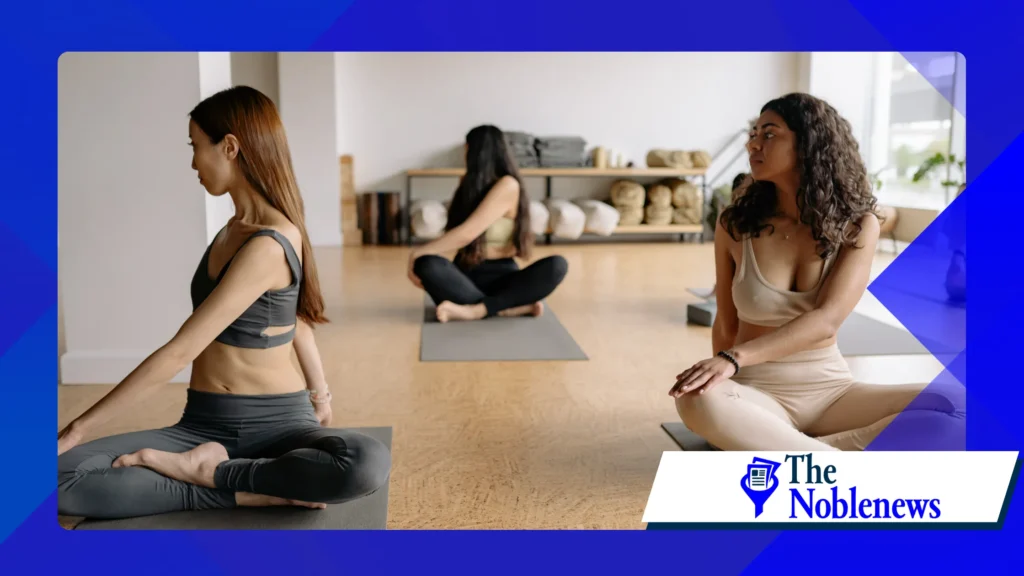
Diese Anleitung führt Sie durch Folgendes:
- Wie Yoga-Apps Achtsamkeit und Flexibilität tatsächlich beeinflussen
- Was unterscheidet wirklich nützliche Plattformen von ausgefeilten Ablenkungen?
- Ein fundierter Vergleich führender Apps im Jahr 2026
- Praktische Hinweise zur Auswahl der passenden Produkte für Ihren Körper und Ihre Routine
Was ist eine achtsamkeitsorientierte Yoga-App?
Eine achtsamkeitsorientierte Yoga-App bietet mehr als nur Anweisungen für Yoga-Übungen. Sie strukturiert die Aufmerksamkeit. Bewegung wird so zum Mittel der Bewusstseinserweiterung, anstatt nur eine Liste abzuarbeitender Bewegungsabläufe zu sein.
Statt auf Intensität zu setzen, verlangsamen diese Plattformen die Abläufe. Der Atem wird wie ein Metronom genutzt, Übergänge erfolgen bewusst, und Flexibilität entwickelt sich als Nebenprodukt von Beständigkeit, nicht von Zwang.
Wie beeinflussen Yoga-Apps Achtsamkeit und Flexibilität?
Die Flexibilität verbessert sich, wenn sich das Nervensystem sicher fühlt. Gezielte Bewegungsabläufe, beruhigende Worte und eine vorhersehbare Reihenfolge reduzieren unnötige Anspannung und ermöglichen es den Muskeln, sich ohne Widerstand zu dehnen.
Achtsamkeit stellt sich ganz natürlich ein. Die Aufmerksamkeit richtet sich nach innen, verankert durch Atem und Körperempfindungen, und verwandelt routinemäßige Dehnübungen in Momente verkörperter Präsenz anstatt passiver Bewegung.
Warum funktionieren Yoga-Apps auch außerhalb des Studios so gut?
Studios bieten zwar Energie und Gemeinschaft, bringen aber auch feste Zeitpläne und Erwartungen mit sich. Apps beseitigen diesen sozialen Druck, der viele Menschen unbewusst davon abhält, regelmäßig zu üben.
Zu Hause fällt die Wiederholung leichter. Fortschritt hört auf, eine bloße Leistung zu sein, und wird persönlich – genau dort, wo Flexibilität und Achtsamkeit wirklich Fuß fassen.
Welche Kriterien unterscheiden hervorragende Yoga-Apps von mittelmäßigen?
Nicht alle Plattformen verdienen Beachtung. Die Fachkompetenz der Kursleiter ist wichtig, aber auch Zurückhaltung. Überreizende visuelle Reize, ein zu schneller Ablauf und auf Neuheiten ausgerichtete Inhalte beeinträchtigen oft die Achtsamkeit.
Die zuverlässigsten Apps setzen auf eine klare Abfolge, anpassbaren Schwierigkeitsgrad, transparente Preisgestaltung und Aktualisierungen, die den aktuellen Forschungsstand im Bereich Wellness widerspiegeln und nicht kurzlebige Trends.
Welche sind die besten Yoga-Apps für Achtsamkeit und Flexibilität?
Einige Plattformen stechen immer wieder hervor, nicht weil sie lauter schreien, sondern weil sie respektieren, wie Körper und Aufmerksamkeit wirklich funktionieren.
Herabschauender Hund
Die Stärke von Down Dog liegt in seiner unaufdringlichen Intelligenz. Die Sitzungen passen sich in Echtzeit an und regulieren Tempo, Dauer und Fokus, ohne den Nutzer zu überfordern.
Diese Variabilität schont die Gelenke, reduziert die Monotonie und unterstützt schrittweise Fortschritte bei der Flexibilität, ohne das Training in ein starres Programm zu verwandeln.
Glo
Glo fühlt sich eher wie ein durchdachtes Studio als eine Fitness-App an. Die Kursleiter legen Wert auf atemgeleitete Übungsabfolgen und anatomisches Bewusstsein anstatt auf Spektakel.
Für Nutzer, die Achtsamkeit suchen, die in der Tradition verwurzelt ist und technische Klarheit bietet, bietet die Plattform eine Tiefe, die langfristiges Engagement belohnt.
Alo Moves
Alo Moves nimmt eine interessante Mittelstellung ein. Die hohe Produktionsqualität zieht die Aufmerksamkeit auf sich, doch im Kern liegt ein starker Fokus auf Beweglichkeit und kontrolliertem Spielfortschritt.
Bei sorgfältiger Auswahl unterstützen die Programme Flexibilität und lassen gleichzeitig Raum für Selbstreflexion und die Regulierung des Nervensystems.
Vergleichstabelle: Die führenden Yoga-Apps im Jahr 2026
| App-Name | Rumpfmuskulatur | Plattformen | Preismodell |
|---|---|---|---|
| Herabschauender Hund | Adaptive Sequenzierung | iOS, Android | Abonnementbasiert |
| Glo | Achtsames, anatomieorientiertes Yoga | iOS, Android, Web | Abonnementbasiert |
| Alo Moves | Strukturiertes Yoga und Mobilität | iOS, Android, TV | Abonnementbasiert |
Alle Angaben basieren auf öffentlich verfügbaren Daten ab 2026, einschließlich der Verfügbarkeit von Testversionen und der Unterstützung durch Plattformen.
Wann erzielt Yoga per App die besten Ergebnisse?
Die Ergebnisse ergeben sich aus dem Rhythmus, nicht aus der Intensität. Kurze, tägliche Trainingseinheiten sind oft effektiver als sporadische, lange Übungseinheiten, insbesondere wenn Flexibilität das Hauptziel ist.
Lesen Sie hier: Wie man motiviert bleibt, regelmäßig Sport zu treiben
Morgenroutinen lockern die Gelenke und schärfen die Konzentration, während abendliche Einheiten das Nervensystem beruhigen und so den Zugang zur Achtsamkeit erleichtern, wenn sich Stress anhäuft.
Wie wählt man die richtige Yoga-App aus?
Die Entscheidung beginnt mit Ehrlichkeit. Manche Menschen brauchen Anpassungsfähigkeit, andere Anleitung. Algorithmusgesteuerte Plattformen eignen sich für Nutzer, die Wert auf Autonomie legen, während lehrplanbasierte Apps Struktur bevorzugen.
Das Verständnis dieses Unterschieds beugt Frustration vor und trägt dazu bei, dass sich die Praxis eher unterstützend als vorschreibend anfühlt.
Für eine wissenschaftlich fundierte Perspektive auf achtsame Bewegung, Harvard Health Publishing erklärt, wie Yoga sowohl die neurologische Regulation als auch die körperliche Beweglichkeit beeinflusst.
Welche nachhaltigen Veränderungen kann achtsamkeitsbasiertes Yoga bewirken?
Mit der Zeit verbessert sich die Körperhaltung beinahe nebenbei. Das Bewusstsein dafür schwappt in die alltäglichen Bewegungen über – Gehen, Sitzen, sogar die Atmung verändern sich subtil.
++ Fitness-Tracker im Vergleich: Welcher ist die beste Wahl?
Neben der Flexibilität berichten Anwender häufig von einer besseren Emotionsregulation und kognitiven Stabilität – Ergebnisse, die in der klinischen Medizin und der Sportmedizin zunehmend Anerkennung finden.
Sind Yoga-Apps für Anfänger geeignet?
Gut gestaltete Apps senken die Einstiegshürde. Klare Anweisungen, ein langsameres Tempo und Anpassungsmöglichkeiten reduzieren Angstzustände und das Verletzungsrisiko.
Anfänger profitieren am meisten davon, wenn Plattformen den Fortschritt als Erkundung und nicht als Leistung darstellen und Geduld statt Vergleichen fördern.
Wie die Technologie die moderne Yogapraxis still und leise neu definiert
Yoga-Apps haben die Art und Weise, wie Menschen Yoga praktizieren, subtil verändert. Anstelle starrer Routinen erkunden Nutzer Yoga nun als ein anpassungsfähiges Werkzeug, das auf Energieniveau, Verletzungen und emotionale Zustände reagiert.
Mehr lesen: Die vielversprechendsten erneuerbaren Energiequellen im Jahr 2026
Diese Flexibilität verändert die Motivation. Übung fühlt sich weniger wie Pflicht und mehr wie ein Dialog mit dem Körper an. Achtsamkeit entwickelt sich mit der Zeit nicht allein durch Disziplin, sondern durch Vertrauen, das durch einfühlsame Anleitung, ein durchdachtes Tempo und die Freiheit zur Anpassung ohne Wertung oder äußeren Druck entsteht.

Abschluss
Der wahre Wert des Die besten Yoga-Apps für Achtsamkeit Der Schlüssel liegt in der Zurückhaltung. Sie versprechen keine Veränderung über Nacht. Sie setzen auf Wiederholung, Aufmerksamkeit und Vertrauen.
Bei konsequenter Nutzung werden diese Plattformen zu stillen Begleitern – sie unterstützen Flexibilität, schärfen das Bewusstsein und erhalten das Wohlbefinden, ohne Perfektion zu fordern.
Für maßgebliche Richtlinien zu Yoga-Standards und zur Zertifizierung von Yogalehrern, Yoga Alliance bietet zuverlässige Bildungsressourcen.
Häufig gestellte Fragen (FAQ)
Was zeichnet eine achtsamkeitsorientierte Yoga-App aus?
Plattformen mit Fokus auf Achtsamkeit legen Wert auf Atmung, Tempo und Bewusstsein und ermutigen die Nutzer, Empfindungen wahrzunehmen, anstatt körperliche Leistung anzustreben.
Kann Flexibilität durch Apps tatsächlich verbessert werden?
Ja. Kontinuierliches, gut abgestimmtes Üben erhöht den Bewegungsumfang und minimiert gleichzeitig die Belastung, insbesondere wenn Kontinuität die Intensität ersetzt.
Wie oft sollten Anfänger üben?
Drei bis fünf Trainingseinheiten pro Woche sorgen für stetige Fortschritte, ohne die Gelenke oder die Aufmerksamkeit zu überlasten, insbesondere wenn die Intensität der Einheiten variiert.
Ersetzen Apps den Präsenzunterricht?
Sie ersetzen zwar nicht die menschliche Interaktion, unterstützen aber wirksam die Kontinuität und Festigung von Fähigkeiten, insbesondere zwischen den Präsenzveranstaltungen.
Sind kostenpflichtige Yoga-Apps gerechtfertigt?
In den meisten Fällen ja. Qualitativ hochwertiger Unterricht, durchdachte Programmgestaltung und zertifizierte Lehrkräfte verbessern die Sicherheit und die langfristigen Ergebnisse deutlich.
++ Die besten Yoga-Apps für Anfänger, die zu Hause beginnen möchten
++ 5 Yoga- und Meditations-Apps für mehr Fitness
