
Wie KI-gestützte Labore wissenschaftliche Entdeckungen beschleunigen
Anzeigen
Es ist unbestreitbar, dass KI-gestützte Labore beschleunigen wissenschaftliche Entdeckungen. durch die Integration autonomer Robotik mit fortschrittlichen Deep-Learning-Modellen zur Lösung komplexer biologischer und chemischer Herausforderungen.
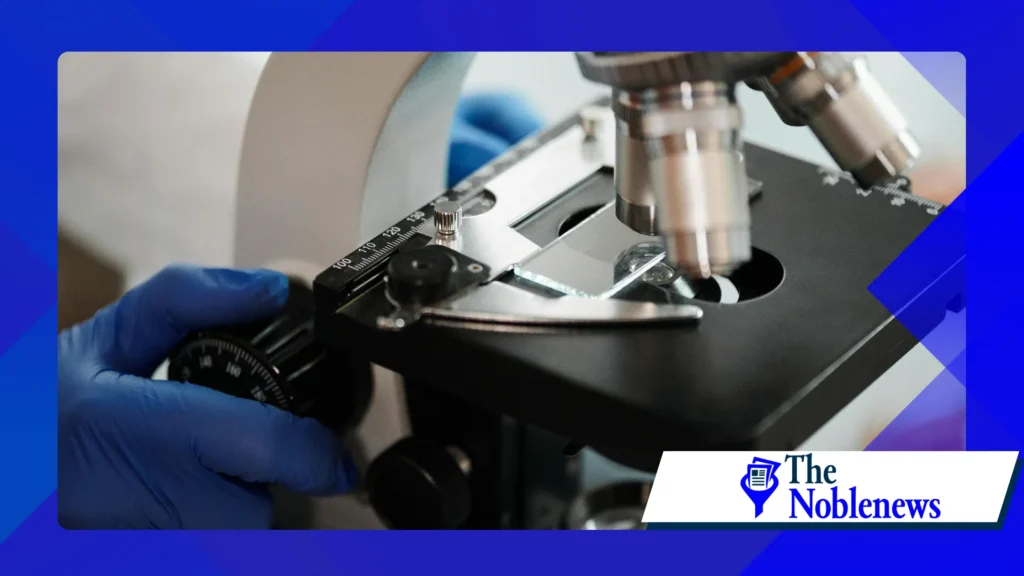
Moderne Forschungsumgebungen haben sich von manuellen Experimenten hin zu geschlossenen Systemen entwickelt, in denen Algorithmen Experimente ohne menschliches Eingreifen entwerfen, durchführen und analysieren, wodurch die traditionellen Innovationszyklen drastisch verkürzt werden.
Zusammenfassung
- Die Entwicklung autonomer „Selbstfahrlabore“.
- Auswirkungen generativer KI auf die Proteinfaltung und die Wirkstoffforschung.
- Datengetriebene Durchbrüche in der Materialwissenschaft und im Bereich der erneuerbaren Energien.
- Der Wandel hin zu kollaborativer wissenschaftlicher Intelligenz in Echtzeit.
Was ist ein KI-gestütztes Labor und wie funktioniert es?
Stellen Sie sich einen Raum vor, in dem das sterile Summen von Maschinen das Klirren von Handpipetten ersetzt.
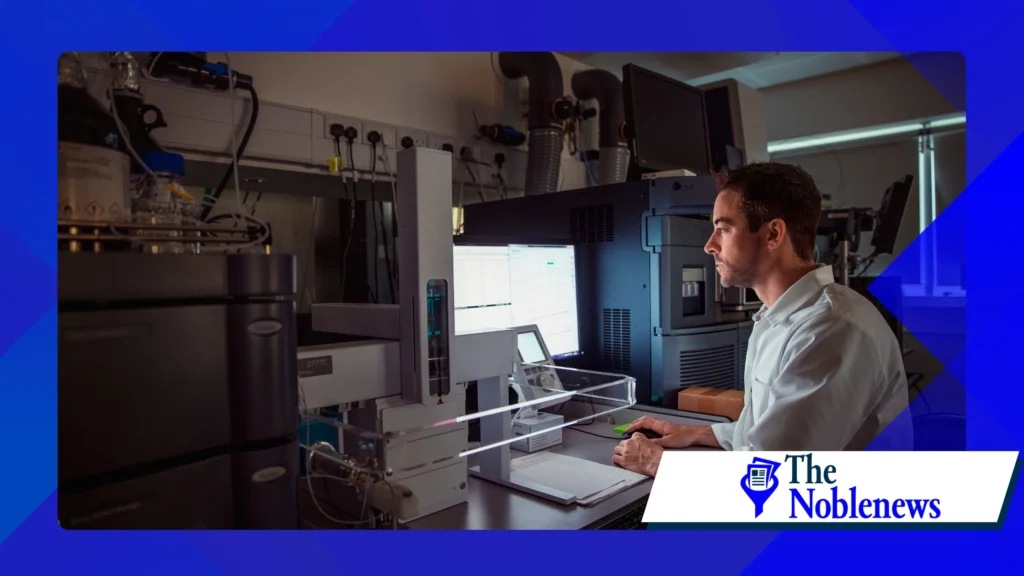
Hierbei handelt es sich nicht einfach nur um automatisierte Fabriken; es sind reaktive Umgebungen, in denen Laborrobotik auf zentrale Nervensysteme mit Deep Learning trifft.
Die Genialität dieser Anlagen liegt in ihrer Fähigkeit, ohne die Einschränkungen des menschlichen zirkadianen Rhythmus zu funktionieren.
Während die Forscher schlafen, führen diese Labore Tausende präziser Iterationen durch und lernen aus jedem Fehlschlag, um die nächste Hypothese zu verfeinern.
Technisch gesehen basiert dies auf „aktiven Lernschleifen“. Eine KI schlägt eine chemische Synthese vor, Roboterarme führen die physische Arbeit aus, und hochauflösende Sensoren liefern Rohdaten zurück an das Modell, wodurch ein sich selbst optimierender Zyklus der Untersuchung entsteht.
Wie KI-gestützte Labore wissenschaftliche Entdeckungen in der Arzneimittelentwicklung beschleunigen?
Die Pharmaindustrie kämpft seit langem mit dem „Eroomschen Gesetz“ – der Beobachtung, dass die Arzneimittelforschung mit der Zeit exponentiell langsamer und teurer wird.
KI-gestützte Plattformen durchbrechen diesen Trend nun endgültig, indem sie das molekulare Verhalten in Echtzeit vorhersagen.
Indem simuliert wird, wie Milliarden von Verbindungen in einer virtuellen Umgebung an Zielproteine binden, bevor auch nur ein einziger Tropfen Flüssigkeit bewegt wird, KI-gestützte Labore beschleunigen wissenschaftliche Entdeckungen. Das dauerte einst Jahrzehnte.
Im Jahr 2026 sehen wir einen Wandel von der reinen Wirksamkeitsvorhersage hin zur ganzheitlichen Toxizitätsmodellierung.
Algorithmen prognostizieren heute, wie ein Medikament mit dem gesamten Stoffwechselweg eines Patienten interagiert, wodurch sichergestellt wird, dass sicherere Behandlungen mit weitaus höheren Erfolgsraten in klinische Studien gelangen.
Warum ist Roboterautomatisierung für die moderne Chemie unerlässlich?
Der Mensch ist bemerkenswert kreativ, aber im Mikrokosmos bekanntermaßen unbeständig. In der fortgeschrittenen Chemie kann bereits eine Temperaturschwankung von nur einem Grad oder eine Abweichung von einem Mikroliter die Ergebnisse eines ganzen Monats Forschung zunichtemachen.
Robotersysteme eliminieren diese Fehlertoleranz. Neben bloßer Präzision liefern sie ein unveränderliches digitales Protokoll jeder durchgeführten Aktion.
Dadurch entstehen Datensätze nach „Goldstandard“, die sauber, strukturiert und perfekt für das Training von maschinellem Lernen geeignet sind.
Wir beobachten eine Tendenz hin zum Hochdurchsatz-Screening, bei dem Tausende von Katalysatoren gleichzeitig getestet werden.
++ Die Wissenschaft hinter Exoplaneten: Die Suche nach bewohnbaren Welten
Die manuelle Ermittlung dieser Gewinnkombinationen wäre so, als würde man versuchen, ein bestimmtes Sandkorn an einem riesigen Strand zu finden.

Welche wissenschaftlichen Bereiche profitieren am meisten von der Integration von KI?
Während die Medizin die Schlagzeilen beherrscht, finden die tiefgreifendsten Veränderungen in der stillen Welt der Materialwissenschaft statt.
Forscher nutzen derzeit KI, um nach Supraleitern und Batterietechnologien zu suchen, die die Elektrofahrzeugindustrie revolutionieren könnten.
Mehr lesen: Die vielversprechendsten erneuerbaren Energiequellen im Jahr 2026
Auch die Umweltwissenschaften erleben einen massiven Aufschwung. Künstliche Intelligenz unterstützt die Synthese neuer Materialien zur Kohlenstoffabscheidung, indem sie simuliert, wie poröse Strukturen CO2-Moleküle unter bestimmten atmosphärischen Drücken einschließen – eine Aufgabe, die für herkömmliche Modellierungsmethoden viel zu komplex ist.
| Forschungsbereich | KI-Anwendung | Auswirkungen auf die Forschungsgeschwindigkeit |
| Genomik | DNA-Sequenzierung und -Kartierung | 50-mal schnellere Analyse |
| Materialwissenschaft | Kristallstrukturvorhersage | Jahre auf Wochen reduziert |
| Pharmakologie | Protein-Ligand-Bindung | 80% Kostenreduzierung |
| Klimatechnologie | Simulation der Kohlenstoffabscheidung | Beschleunigtes Prototyping |
Datenquelle: Naturportfolio, die die Benchmarks für 2025-2026 in Bezug auf Recheneffizienz und Labordurchsatz in globalen Forschungseinrichtungen und privaten Biotechnologieunternehmen widerspiegeln.
Welche Herausforderungen birgt die Implementierung von KI in der Forschung?
Der Aufbau eines autonomen Labors beschränkt sich nicht auf die Anschaffung von Hardware; er erfordert einen grundlegenden Kulturwandel. Wissenschaftler müssen nun die Kluft zwischen Laborchemie und Datenwissenschaft überbrücken – ein Übergang, der manche zutiefst beunruhigt.
Hinzu kommt das heikle Thema der Datensouveränität. Um sicherzustellen, dass firmeneigene Forschungsergebnisse bei der Verarbeitung durch cloudbasierte KI geschützt bleiben, ist ein Maß an Cybersicherheit erforderlich, für das traditionelle akademische Einrichtungen oft nicht ausreichend gerüstet sind.
++ Der virtuelle Arbeitsplatz: Wie Spatial Computing die persönliche Produktivität neu definiert
Die Wettbewerbskluft vergrößert sich. Institutionen, die zögern, diese Instrumente einzusetzen, geraten ins Hintertreffen, da KI-gestützte Labore beschleunigen wissenschaftliche Entdeckungen. in einem Tempo, das manuelle Recherche einfach nicht erreichen kann.
Wie beeinflusst generative KI die Strukturbiologie? KI-gestützte Labore beschleunigen wissenschaftliche Entdeckungen.
Generative Modelle, insbesondere die neuesten Versionen von AlphaFold, haben das Problem der Proteinfaltung effektiv gelöst. Wir können nun die 3D-Strukturen nahezu aller bekannten Proteine auf atomarer Ebene mit verblüffender Klarheit visualisieren.
Die eigentliche Magie liegt jedoch im Design „de novo“. Wir sind nicht länger auf das beschränkt, was die Natur uns bietet; wir können nun vollständig synthetische Proteine entwickeln, die als spezifische Sensoren oder therapeutische „Schlüssel“ für verschlossene biologische Signalwege fungieren.
Dies markiert einen Wendepunkt von der Beobachtung hin zur eigentlichen Entwicklung. Wir entfernen uns von der Entdeckung der Welt, wie sie ist, und konzentrieren uns auf die Entwicklung der biologischen Werkzeuge, die wir tatsächlich zum Überleben benötigen.
Wann werden KI-gestützte Labore zum Industriestandard?
Wir haben das Zeitalter der „experimentellen“ KI hinter uns gelassen. Die meisten führenden Pharmaunternehmen und Elite-Forschungszentren haben diese autonomen Systeme bereits fest in ihre betrieblichen Kernprozesse integriert.
Bis zum Ende dieses Jahrzehnts wird ein Labor ohne KI-gestützte Infrastruktur genauso überholt sein wie eine Redaktion ohne Internetanschluss. Die Einstiegshürden sinken, und die Technologie verbreitet sich immer weiter.
Da spezialisierte Robotik immer erschwinglicher wird, erwarten wir einen Anstieg lokaler Innovationen.
Diese Demokratisierung von Hightech-Werkzeugen wird wahrscheinlich eine Explosion von bahnbrechenden Innovationen kleinerer, agiler Startups auslösen, die sich diese bisher nicht leisten konnten.
Die Integration künstlicher Intelligenz ist mehr als eine technologische Aufrüstung; sie bedeutet einen grundlegenden Wandel in der Geschwindigkeit des menschlichen Denkens.
Die Synergie zwischen menschlicher Intuition und maschineller Präzision ermöglicht es uns, globale Krisen mit einer Genauigkeit zu bewältigen, die einst nur in Science-Fiction-Filmen zu finden war.
Die Zukunft der Wissenschaft liegt nicht mehr im einsamen Genie im Labor, sondern in der nahtlosen Orchestrierung von Code, Kohlenstoff und Stahl.
Um die ethischen Rahmenbedingungen dieser Fortschritte zu erkunden, besuchen Sie die AAAS – Amerikanische Vereinigung zur Förderung der Wissenschaft.
Häufig gestellte Fragen
Ersetzen KI-gestützte Labore menschliche Wissenschaftler?
Die Rolle wandelt sich. KI übernimmt die „brute-force“-Aspekte der Forschung, während sich Menschen auf übergeordnete Strategien, ethische Grenzen und den kreativen Sprung konzentrieren, der zur Interpretation unerwarteter Daten erforderlich ist.
Wie genau sind KI-Vorhersagen in der Chemie?
Ab 2026 erreichen Vorhersagemodelle eine Genauigkeit von über 95% für molekulare Eigenschaften. Die Validierung im Labor (auch „Nasslaborversuche“ genannt) bleibt jedoch ein unerlässlicher Schritt, um sicherzustellen, dass die virtuelle Logik der KI in der realen Welt Bestand hat.
Können KI-gestützte Labore im Kampf gegen den Klimawandel helfen?
Das tun sie bereits. Indem sie die Entdeckung neuer Materialien zur Kohlenstoffabscheidung und effizienterer Solarzellen beschleunigen, schaffen diese Labore die technische Infrastruktur, die für einen raschen grünen Wandel notwendig ist.
Sind die von diesen Laboren verwendeten Daten sicher?
Moderne Einrichtungen nutzen private Cloud-Cluster und verschlüsselte Pipelines. Die Wahrung der Integrität des geistigen Eigentums hat höchste Priorität, und viele verwenden fortschrittliche Verschlüsselung, um die Vertraulichkeit der Trainingsdaten der KI zu gewährleisten.
Wie hoch sind die Kosten für den Bau eines KI-gestützten Labors?
Die Einstiegskosten für Biotech-Startups liegen derzeit zwischen 1,4 und 2 Millionen US-Dollar. Obwohl diese Investition hoch ist, amortisiert sie sich in der Regel durch die drastische Reduzierung von Fehlversuchen und die verkürzten Forschungs- und Entwicklungszeiten.
++ Ein datengetriebener Blick auf den transformativen Einfluss von KI auf die Zukunft der Wissenschaft
++ Wie KI lebensrettende Entdeckungen beschleunigt
\