
Der Einfluss von Objektivkompressionseffekten auf Porträtaufnahmen
Anzeigen
Mastering Linsenkompressionseffekte Gibt Ihnen die volle kreative Kontrolle über die Gesichtsproportionen und die Hintergrundwiedergabe in Ihren finalen Bildern.
Das perfekte Porträt zu erhalten, fühlt sich oft wie ein unberechenbares Ratespiel an.
Sie positionieren Ihr Model makellos, die Studiobeleuchtung ist perfekt, aber irgendwie wirkt dessen Nase auf dem Monitor etwas größer als in Wirklichkeit.
Das Verständnis des Zusammenhangs zwischen physikalischer Distanz und Brennweite löst dieses Problem sofort.
Die wichtigsten Erkenntnisse
- Die Linsenkompression ist eine optische Täuschung, die ausschließlich durch den Abstand zwischen Kamera und Motiv bedingt ist, nicht durch das Glas selbst.
- Weitwinkelobjektive (wie 35 mm) übertreiben die Gesichtszüge, da man gezwungen ist, näher an das Motiv heranzugehen.
- Teleobjektive (85 mm bis 200 mm) reduzieren die Tiefenwirkung des Gesichts und vergrößern optisch den Hintergrund, wodurch dieser näher an das Motiv heranrückt.
- Die Wahl der richtigen Brennweite erfordert ein Gleichgewicht zwischen der gewünschten Gesichtswiedergabe und dem notwendigen Umgebungskontext.
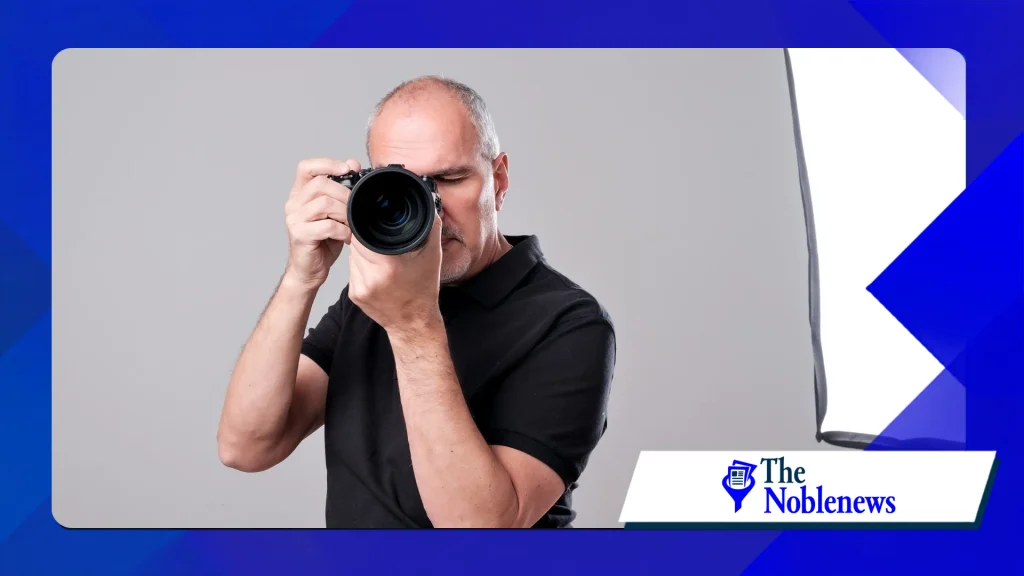
Was genau sind Linsenkompressionseffekte?
Viele Fotografen glauben fälschlicherweise, dass ein Objektiv ein Bild von Natur aus komprimiert.
Die Optik diktiert eine andere Realität. Kompression ist lediglich eine optische Täuschung, die durch den physikalischen Abstand zwischen Kamera, Motiv und Hintergrund verursacht wird.
Wenn Sie sich weit von Ihrem Motiv entfernen, verändert sich das relative Abstandsverhältnis zwischen Vordergrund und Hintergrund.
Wenn man mit einem Teleobjektiv aus dieser großen Entfernung das Bildfeld ausfüllt, wirkt der Hintergrund massiv und eng an das Motiv anliegend.
Wie verändern unterschiedliche Brennweiten die Gesichtszüge?
Die Wahl der Brennweite bestimmt direkt, wie die menschliche Anatomie dargestellt wird. Jeder Millimeter verändert die räumliche Beziehung zwischen Nasenspitze, Wangenknochen und Ohren.
Das Verstehen dieser Prinzipien der visuellen Perspektive, die in den optischen Wissenschaften gelehrt werden Das verändert deine Herangehensweise an die Porträtfotografie grundlegend. Du hörst auf, deiner Ausrüstung die Schuld zu geben und beginnst, dich zu bewegen.
Warum verzerrt ein 35-mm-Objektiv das Gesicht?
Um mit einem 35-mm-Objektiv ein Nahaufnahme-Porträt zu machen, muss man nur wenige Zentimeter vom Gesicht des Porträtierten entfernt stehen. Diese extreme Nähe überzeichnet die vorderen Gesichtszüge dramatisch.
Die Nasen wirken knollenförmig, die Stirn wölbt sich nach außen und die Ohren ziehen sich unnatürlich seitlich in den Kopf zurück.
Umweltporträts profitieren sehr von einem 35-mm-Bildwinkel.
Indem Sie einen Schritt zurücktreten und eine Ganzkörperaufnahme machen, beseitigen Sie die Gesichtsverzerrung und betten das Motiv gleichzeitig in seine Umgebung ein.
++ Warum die Communitys der analogen Fotografie online weiter wachsen
Es erzeugt eine immersive, dokumentarische Ästhetik anstelle eines traditionellen Schönheitsporträts.
Warum gilt das 85-mm-Objektiv als Goldstandard für Porträts?
Professionelle Porträtfotografen schätzen die 85-mm-Brennweite einhellig. Diese spezielle Optik erfordert einen Abstand von etwa zwei bis zweieinhalb Metern, um ein Standard-Kopf-Schulter-Foto zu komponieren.
Dieser spezifische Arbeitsabstand ahmt genau nach, wie das menschliche Auge Gesichter in alltäglichen Gesprächen auf natürliche Weise wahrnimmt.
Die Gesichtszüge werden symmetrisch dargestellt, die Kieferpartie bleibt definiert, und der Hintergrund verschwimmt zu einer angenehmen Unschärfe.
++ Warum Dokumentarfotografieprojekte online Aufmerksamkeit erregen
Es bietet die perfekte mathematische Balance zwischen schmeichelhaften anatomischen Proportionen und starker Objektabgrenzung.
Wann sollte man ein 200-mm-Teleobjektiv verwenden?
Der Wechsel in den 200-mm-Bereich bringt extreme Kompressionseffekte mit sich. Um bei dieser Brennweite ein normales Porträtfoto zu machen, muss man deutlich Abstand zum Motiv halten.
Aus dieser Entfernung wirken die Gesichtszüge deutlich flacher. Der optische Effekt verschiebt die Nase näher zu den Augen und zieht die Ohren nach vorn, wodurch ein Aussehen entsteht, das manche als „Papierpuppen-Look“ bezeichnen.
Mehr lesen: Wie mobile Loyalitäts-Apps den Kundenwert steigern
Während diese Abflachung ein Gesicht breiter erscheinen lassen kann, führt die intensive Vergrößerung des Hintergrunds zu einer unvergleichlichen Freistellung des Motivs.
Direkt hinter dem Kopf der abgebildeten Person verwandeln sich die belebten Straßen der Stadt in massive, cremefarbene Wände.
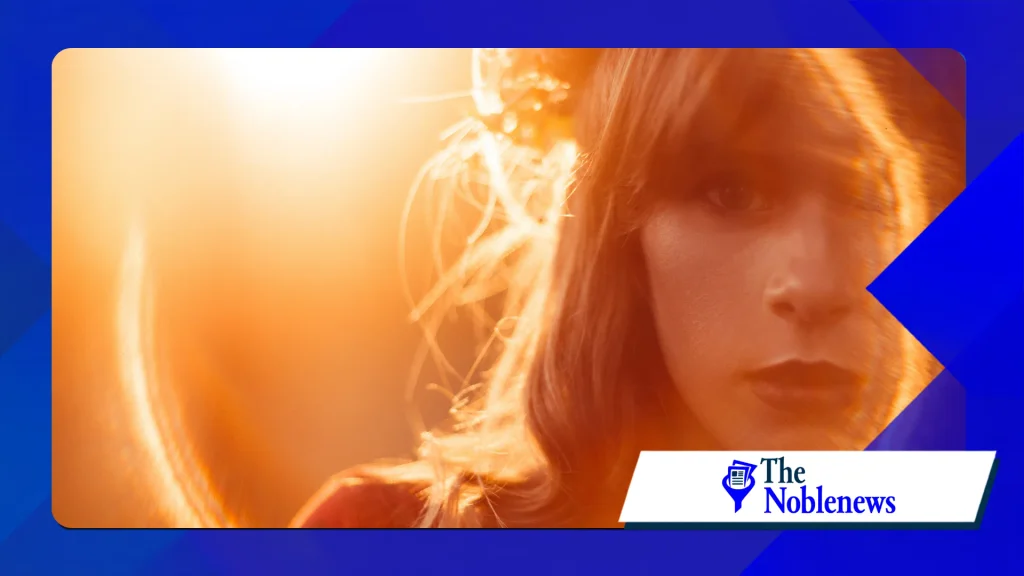
Welches Objektiv bietet die beste Hintergrundtrennung?
Die Hintergrundtrennung hängt stark von der Blendenöffnung und der Kompression ab.
Eine längere Brennweite vergrößert die unscharfen Hintergrundelemente, wodurch die Unschärfe viel weicher und deutlicher erscheint.
Die folgende Tabelle zeigt, wie sich Standard-Porträtobjektive bei idealen Arbeitsabständen sowohl auf das Motiv als auch auf die Umgebung auswirken:
| Brennweite | Ideale Porträtrahmung | Gesichtsdarstellung | Hintergrundinteraktion |
| 35 mm | Umwelt / Ganzkörper | Überzogene Tiefe (bei Nähe) | Weites Sichtfeld, der Hintergrund wird ausgeblendet |
| 50 mm | Halblang / Taillenlang | Natürlich, dem menschlichen Sehvermögen entsprechend | Mäßige Trennung, erhält den Umweltkontext |
| 85 mm | Kopf und Schultern | Äußerst schmeichelhaft, ausgewogene Proportionen | Sanftes Bokeh, der Hintergrund rückt merklich näher. |
| 135 mm | Nahaufnahme des Kopfes | Leichter Abflachungseffekt | Cremefarbener Hintergrund, starke Motivisolation |
| 200 mm | Extreme Nahaufnahme | Abgeflachte Gesichtszüge (Papierpuppen-Effekt) | Starke Hintergrundvergrößerung, reiner Farbauftrag |
Wie geht die moderne Technologie des Jahres 2026 mit Perspektive um?
Die computergestützte Fotografie in modernen spiegellosen Kameras und Flaggschiff-Smartphones versucht aktiv, Bokeh und Tiefenschärfe nachzuahmen.
Softwarealgorithmen können einen Hintergrund bemerkenswert gut verwischen.
Algorithmen können jedoch die physikalische Geometrie nicht verändern. Ein Smartphone mit einem Objektiv, das einer Brennweite von 24 mm (äquivalent zu Kleinbild) entspricht, wird ein Gesicht in Nahaufnahme immer verzerren, unabhängig davon, wie stark die Software den Hintergrund unscharf stellt.
Professionelle Sensormesswerte und fortgeschrittene fotografische Kunstforschung Es muss fortwährend bestätigt werden, dass die optische Distanz das absolute Regelwerk der Gesichtswiedergabe bleibt.
Für eine authentische Kompression benötigt man physischen Raum und tatsächliches Glas.
Welche praktischen Schritte sind heute notwendig, um die Objektivkompression zu beherrschen?
Setzen Sie dieses Wissen bei Ihrem nächsten Shooting aktiv ein. Montieren Sie Ihr Weitwinkelobjektiv, wählen Sie den Bildausschnitt und drücken Sie ab.
Wechseln Sie zu Ihrem längsten Teleobjektiv, gehen Sie so weit zurück, bis das Motiv im Bildausschnitt genau die gleiche Größe hat, und machen Sie ein weiteres Foto.
Vergleichen Sie die beiden Rohdateien nebeneinander. Beachten Sie die deutliche Veränderung der Kieferpartie des Motivs und die schiere Größe der Hintergrundelemente.
Die Erkenntnis dieser räumlichen Beziehung versetzt Sie in die Lage, Objektive gezielt auszuwählen, basierend auf der spezifischen anatomischen und umweltbedingten Geschichte, die Sie erzählen möchten.
Häufig gestellte Fragen
Verändert die Linsenkompression die tatsächliche Schärfentiefe?
Nein. Die Schärfentiefe wird durch die Blendenöffnung, die Brennweite und die Fokusdistanz bestimmt.
Durch die Kompression wird der unscharfe Hintergrund einfach vergrößert, wodurch die Unschärfe größer und deutlicher erscheint und die Illusion einer geringeren Schärfentiefe entsteht.
Können Crop-Sensoren die Objektivkompression beeinflussen?
Crop-Sensoren (APS-C oder Micro Four Thirds) verändern Ihr Sichtfeld, sodass Sie weiter zurückstehen müssen, um die gleiche Bildkomposition wie mit einer Vollformatkamera zu erreichen.
Da Sie Ihren physischen Abstand zum Objekt verändert haben, ändert sich der Kompressionseffekt entsprechend.
Warum verzerrt mein Handy Gesichter bei Nahaufnahmen?
Die meisten primären Smartphone-Kameras verfügen über Weitwinkelobjektive (typischerweise mit einer Brennweite zwischen 24 mm und 28 mm im Kleinbildformat).
Die Aufnahme eines engen Porträts mit einem Weitwinkelobjektiv erzwingt eine extreme physische Nähe zum Motiv, wodurch Nase und Stirn optisch gestreckt werden.
++ Die Wahrheit über die Telefotokompression
++ Objektivkompression | Was ist das und wie wirkt sie sich auf Ihre Fotografie aus?
