
Warum VR-Hafenbetriebe die Logistikkoordination verbessern
Anzeigen
VR port operations are transforming maritime logistics by providing real-time 3D visibility, immersive remote control, and risk-free simulation environments for complex shipping terminals.
As global trade volume grows and supply chains demand higher throughput, marine terminals face intense pressure to reduce vessel turn times, lower operational costs, and improve workplace safety.
Virtual reality (VR) technologies—integrated with digital twin systems, Internet of Things (IoT) sensors, and terminal operating systems (TOS)—give port managers and crane operators unparalleled oversight of daily workflows.
This comprehensive guide explores how VR port operations streamline supply chain coordination, enhance training efficiency, reduce dangerous site accidents, and optimize terminal container flow.
Die wichtigsten Erkenntnisse
- Enhanced Spatial Visibility: VR port operations pair live terminal sensor data with 3D visualization, allowing logisticians to spot bottlenecks before they delay vessel departure.
- Accelerated Workforce Training: Operators trained in virtual crane and yard simulators achieve proficiency up to 40% faster while eliminating equipment downtime and fuel costs.
- Safer Working Environments: Remote control and virtual monitoring remove human personnel from hazardous quay environments, dramatically reducing workplace injuries.
- Intermodal Synchronization: Immersive data integration improves scheduling alignment between ocean carriers, rail networks, and drayage trucking fleets.
Understanding VR Port Operations in Modern Maritime Logistics
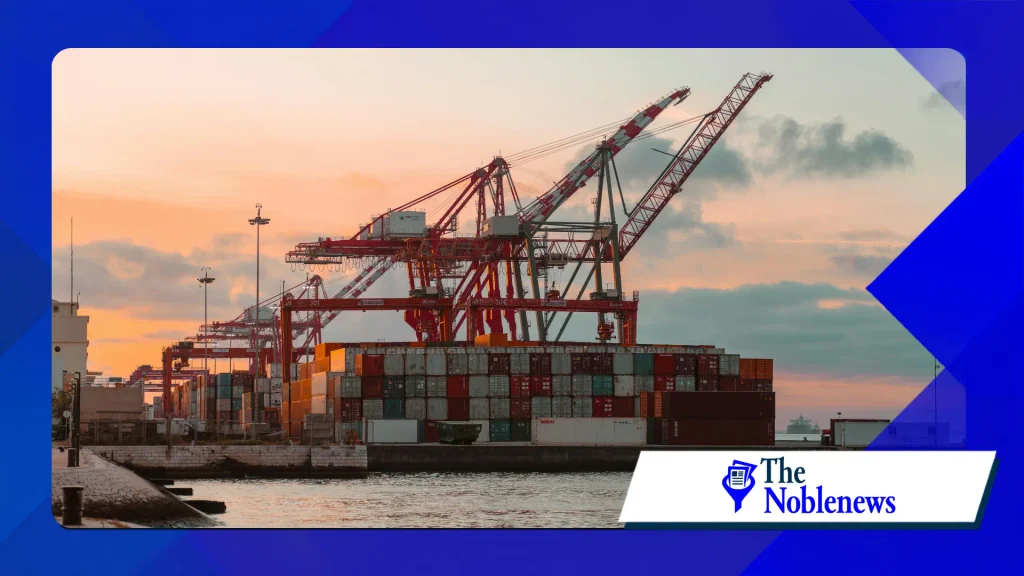
Port operations rely on precise coordination between container vessels, quay cranes, automated guided vehicles (AGVs), yard stackers, trucks, and freight trains.
Historically, port coordinators monitored these complex workflows through two-dimensional screens, radio communications, and flat terminal management dashboards.
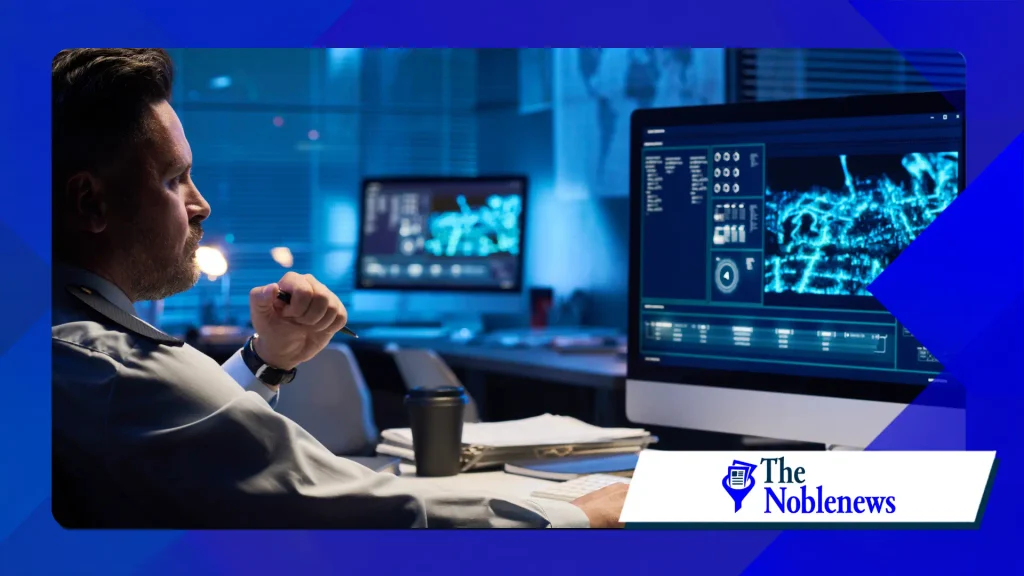
VR port operations replace flat monitoring with immersive, interactive 3D digital twins.
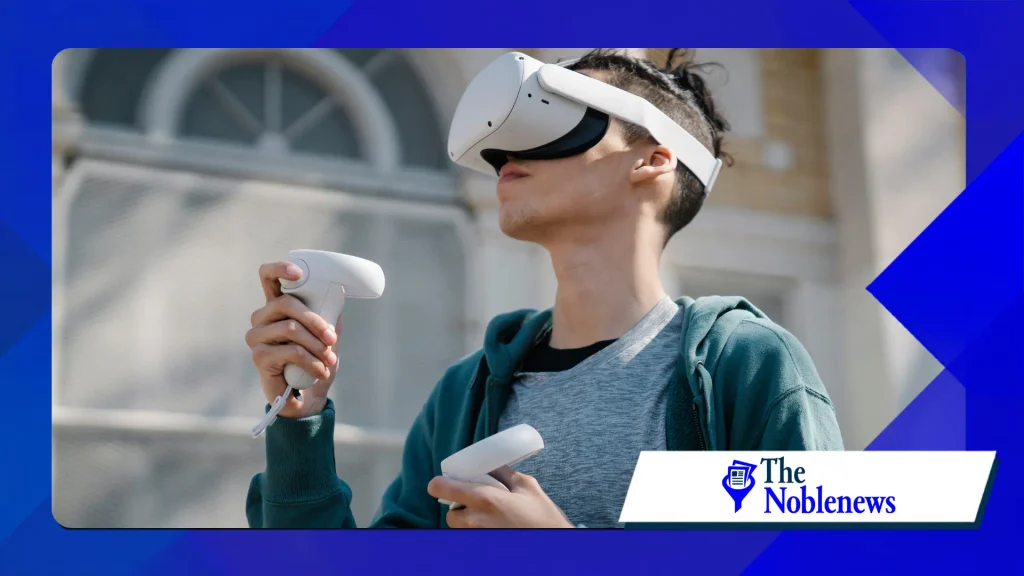
By combining virtual reality headsets or spatial computing displays with real-time telemetric data feeds, terminal operators can walk through a visual, real-time representation of the entire harbor.
Core Components of Virtual Port Ecosystems
- Digital Twin Integration: A continuous 3D model of the port that updates instantly using site sensors, GPS trackers, and camera feeds.
- Immersive Teleoperation: High-bandwidth control stations that allow heavy equipment operators to maneuver ship-to-shore (STS) cranes and yard gantries remotely.
- Predictive Analytics Visualizers: Visual overlays within the virtual space that project traffic congestion, weather impacts, and stack movement priorities.
- Collaborative Virtual Command Centers: Shared virtual rooms where port authorities, shipping lines, and inland logistics providers coordinate schedules in real time.
++ Wie Pancake-Linsen moderne VR-Headsets verändert haben
Primary Benefits of VR Port Operations for Terminal Coordination
Implementing virtual reality across maritime terminals provides measurable operational efficiencies.
Lesen Sie hier: Warum sich VR-Gaming im Jahr 2026 sozialer anfühlt als je zuvor
By converting dense logistical data into intuitive spatial environments, supply chain teams can make faster, safer decisions.
1. Superior Traffic and Yard Flow Management
Container yards are high-density environments where improper placement leads to unnecessary container re-handling (“digging”).
VR port operations allow planners to visualize container stack height, weight distribution, and destination grouping in full 3D space.
Logistics teams can simulate yard re-stacking strategies before physical equipment is deployed.
According to maritime technology insights from the U.S. Department of Transportation Maritime Administration, optimizing port infrastructure and container movement directly impacts overall national supply chain reliability.
2. Safer, Faster Crane and Heavy Equipment Operations
Traditional crane operation requires personnel to sit in elevated cabins for long hours, facing ergonomic strain and environmental hazards.
VR-enabled remote teleoperation stations allow operators to control STS cranes from an office environment using low-latency VR displays and physical controls.
++ Warum der TikTok-Trend „Meine Reaktion“ Gesichter in Rezensionen verwandelt
Operators maintain a complete 360-degree view around the container load, eliminating visual blind spots caused by cabin structures or bad weather.
3. Streamlined Intermodal Handoffs
The ultimate goal of port logistics is minimizing container dwell time. VR port operations bridge the communication gap between maritime carriers, rail operators, and drayage trucking firms.
By accessing a shared, permissioned virtual view of gate traffic and rail spur loading docks, logistics dispatchers can dynamic-route trucks to exact terminal gates, avoiding gate queues and reducing idle truck emissions.
Comparing Traditional Port Management vs. VR-Enabled Operations
| Operational Feature | Traditional Port Management | VR-Enabled Port Operations |
| Data Visualization | 2D maps, flat dashboards, spreadsheets | Immersive 3D digital twin, real-time spatial overlays |
| Operator Training | On-equipment training (uses fuel, risks equipment damage) | Risk-free VR simulator modules with customizable weather/scenarios |
| Workplace Safety | Personnel exposed to active quay, high cabins, heavy machinery | Remote operation offices; zero physical presence in high-hazard zones |
| Yard Bottleneck Detection | Reactive (detected after congestion occurs) | Predictive (simulated prior to vessel berthing) |
| Intermodal Alignment | Siloed radio communications & periodic email updates | Shared 3D visual status rooms for port, rail, and trucking dispatchers |
Overcoming Key Challenges in Deploying VR for Port Logistics
While the advantages of VR port operations are significant, terminal operators must plan carefully around common technical and organizational challenges during implementation.
Network Bandwidth and Latency Requirements
Operating crane machinery or rendering real-time digital twins in VR requires extremely low latency.
A minor delay in audio-visual feeds can cause operator disorientation or unsafe equipment maneuvering.
Terminals implementing VR operations usually deploy private 5G networks or high-speed fiber backbones across the quay to guarantee sub-10-millisecond response times.
Integrating Legacy Terminal Systems
Most container terminals rely on legacy Terminal Operating Systems (TOS) built decades ago.
Integrating high-fidelity 3D visualization layers with older database architectures requires modern API gateways and middleware layers to parse legacy data streams into spatial coordinates.
Best Practices for Implementing VR Port Operations
For marine terminals and logistics hubs planning to integrate virtual reality into their daily workflow, following a phased implementation approach ensures the best ROI:
Start with Simulation Training: Deploy VR simulators for crane and hostler operator training first.
This delivers immediate cost savings in fuel, reduces equipment wear, and builds organizational familiarity with VR hardware.
Build a Single-Berth Digital Twin: Prioritize building a real-time 3D twin for a single vessel berth or container yard section rather than attempting a full facility rollout on day one.
Establish Clear Data Standards: Ensure IoT telemetry from cranes, AGVs, and gate sensors adheres to open data protocols, making it easy to stream directly into 3D visualization platforms.
Focus on Ergonomics and User Experience: Involve equipment operators early when designing remote VR control stations to prevent motion discomfort and optimize control responsiveness.
Häufig gestellte Fragen
What software platforms power VR port operations?
VR port operations are built by combining digital twin engine frameworks (such as Unity or Unreal Engine) with terminal operating systems (like Navis N4 or TOPS) and real-time IoT middleware.
Does VR port operations eliminate physical port jobs?
Rather than eliminating jobs, VR port operations transition hazardous physical labor into safer, more comfortable technical roles.
High-rigor crane operations move from high-altitude cabs to ergonomic, climate-controlled remote control rooms.
How does VR help reduce port carbon emissions?
By optimizing container stack placement and streamlining drayage truck routing, VR port operations reduce unnecessary equipment idling, shorten yard hostler travel distances, and minimize vessel berth turnaround times.
Moving Forward with Next-Generation Port Logistics
VR port operations represent a structural upgrade to global trade infrastructure.
By transforming fragmented terminal data into clear, interactive 3D visual hubs, maritime logistics leaders can lower operational risks, eliminate bottleneck congestion, and safeguard port personnel.
Facilities looking to modernize should evaluate their current network readiness and initiate pilot projects focusing on VR operator training and digital twin yard monitoring.
++ Why AR/VR is Becoming Standard in Logistics & Warehousing
++ How VR is Reshaping the Logistics Industry
