
Geek Culture in Japan vs. the West: Key Differences
Anúncios
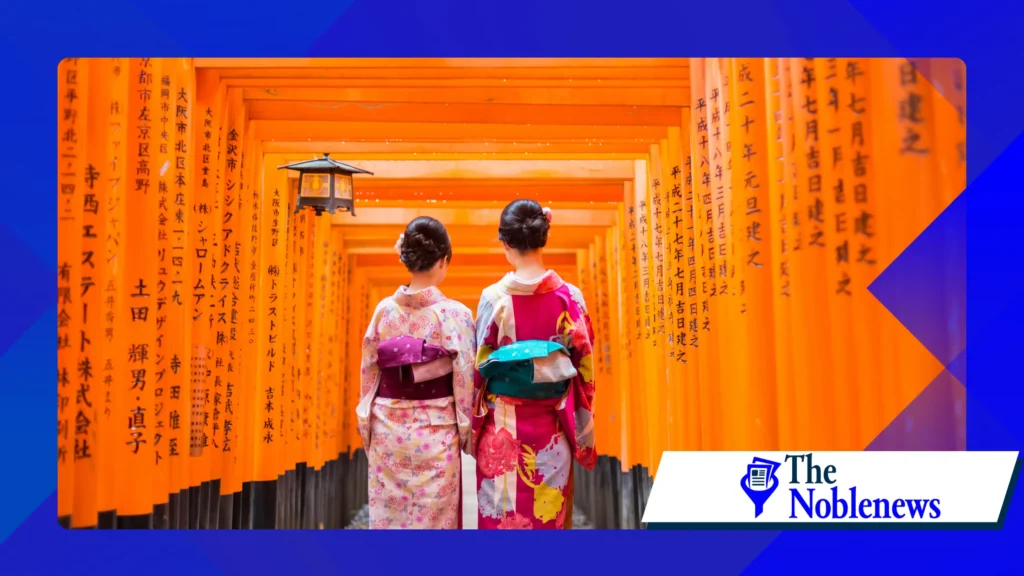
The fascinating contrast between the Geek Culture in Japan vs. the West represents a profound cultural divergence in how niche passions are embraced and integrated into daily life.
This isn’t merely about preferring manga over Marvel; it’s a fundamental difference in social acceptance, market dynamics, and cultural reverence.
Why does a hobby that earns sidelong glances in London thrive openly in Tokyo?
This global phenomenon deserves a closer look, moving beyond surface-level comparisons to understand the deep roots of these cultural ecosystems.
The way the West treats its fandom often contrasts sharply with the established, almost institutionalized respect for creative industries in Japan.
How Does Social Acceptance Shape Fandom Expression?
In many Western nations, “geek” and “nerd” historically carried connotations of social awkwardness or niche exclusivity, often existing outside the mainstream.
While this stigma has significantly eroded thanks to the box-office dominance of superhero films and the rise of video game streaming, pockets of social judgment persist.
Conversely, in Japan, interests like anime, video games, and technological innovation are deeply woven into the national identity and economic structure.
These pursuits are generally viewed as legitimate forms of art, entertainment, and even professional endeavor, not just adolescent hobbies.
This fundamental difference creates vastly disparate environments for fans.
In the West, public expressions of fandom might still require a degree of self-conscious “coming out,” whereas in Japan, it’s frequently assumed as a natural part of the cultural landscape.
It’s like the difference between a secret club meeting and a national holiday celebration.
Why Do Market Structures Create Different Fan Ecosystems?
The commercial infrastructure supporting these cultures is another key differentiator.
Japan’s market is characterized by a dense, intricate ecosystem focusing on highly specialized, geographically localized retail and events. Akihabara in Tokyo is a prime example.
This area is less a collection of stores and more a dedicated cultural pilgrimage site, offering everything from rare figurines and retro gaming arcades to themed cafes.
The physical space itself is curated to celebrate the fandom.
Read here: The Best Sci-Fi Books Every Geek Should Read
In the West, while large conventions like San Diego Comic-Con draw massive crowds, the day-to-day retail experience is often more fragmented.
Fans rely heavily on large, general e-commerce platforms or dedicated, though often smaller, local comic shops.
This contrast results in a difference in product availability. Japanese markets frequently support a greater range of incredibly niche merchandise, reflecting a deeper segmentation of fan interests.
Western markets tend to focus on products with broader, more international appeal.

What is the Role of Cosplay and Public Performance in Each Culture?
Public expression of fandom, particularly through cosplay, reveals another fascinating cultural split. While cosplay is immensely popular globally, its context differs significantly.
In the West, the primary venue for elaborate cosplay remains the convention center or large, specific events.
Venturing out in full costume beyond these venues is still considered highly unusual or part of a performance.
See how interesting: Digital collectibles vs physical ones
In Japan, while conventions are crucial, the culture extends into dedicated public spaces and events, and the professionalization of cosplay is more visible.
The artistry and craftsmanship involved are widely respected, often blurring the lines between amateur enthusiasm and professional modeling.
Japanese street fashion also frequently draws direct inspiration from anime and Lolita subcultures, making overt stylistic references more common and less remarkable in everyday life.
How Does Economic Scale Influence Creative Output? Geek Culture in Japan vs. the West
Japan’s creative industries, particularly anime and video games, are massive economic powerhouses with significant government and institutional support.
The Japanese animation market was valued at approximately $24.23 billion in 2023, a staggering testament to its global reach and domestic importance.
Check this out: Fitness Trackers Compared
This robust economic infrastructure allows for high-quality, continuous production and supports emerging artists through established, albeit demanding, industry pipelines.
The creative output is geared toward a domestic audience first, yet curated for international export.
Western media, while globally dominant, is often driven by massive, centralized studios and intellectual properties (IPs) that prioritize global mass appeal from the outset.
This sometimes leads to risk-averse creative decisions aimed at maximizing international market penetration.
Consider this: the Western model is analogous to a massive Hollywood blockbuster, designed for universal consumption.
The Japanese model is closer to a dense, serialized literary work, built on intricate world-building and a loyal, established audience base. Both are powerful, but their structural approaches diverge.
| Feature | Japanese Geek Culture (JGC) | Western Geek Culture (WGC) |
| Social Status | Generally Mainstream & Respected | Increasingly Mainstream, but Vestiges of Niche/Stigma Remain |
| Market Focus | Highly Specialized, Localized, Niche Merchandise Density | Broad Global Appeal, Reliance on Large E-commerce & Conventions |
| Public Expression (Cosplay) | Common in Dedicated Districts/Events, High Professionalization | Primarily Confined to Conventions and Themed Events |
| Economic Driver | Creative IP is a Primary National/Export Industry (e.g., Anime) | Driven by Major Media Conglomerates (e.g., Hollywood Studios) |

The Future Trajectory: Convergence or Continued Divergence? Geek Culture in Japan vs. the West
The internet and global streaming platforms are undeniably fostering a cultural convergence, making Japanese content immediately accessible to Western fans and vice versa.
Is the Geek Culture in Japan vs. the West gap narrowing?
While international consumption of anime continues to soar, the fundamental sociological differences in how these interests are perceived domestically are tenacious.
The deep-seated cultural value of otaku culture (often translated as “obsessive fan”) in Japan remains unique.
Furthermore, the Western “geek” identity has become highly commodified, often reduced to merchandise and IP consumption, potentially diluting the original counter-cultural spirit.
Could the West ever fully replicate the ingrained cultural respect Japan holds for its creative industries, or will the domestic foundations always keep them distinct?
In conclusion, understanding the Geek Culture in Japan vs. the West dichotomy illuminates the powerful role culture plays in shaping personal passion.
While the content—the games, the comics, the films—may be shared, the experience of being a fan remains distinctly shaped by geography and social context.
Frequently Asked Questions
Why is “otaku” sometimes considered negative?
The term otaku can sometimes carry negative connotations of social withdrawal or obsessive behavior in Japan, but it is also widely used neutrally, and even proudly, by many fans to denote deep dedication and passion for a specific field. Its meaning is highly contextual.
What is a major Japanese IP that has maintained its unique style abroad?
The Geek Culture in Japan vs. the West discussion is perfectly exemplified by franchises like Studio Ghibli.
Despite global success, their films maintain a distinctly Japanese narrative, aesthetic, and thematic core, resisting major Westernization to appeal to international markets.
++ Which Subculture Reigns Supreme?
++ 7 Key Differences Between Japanese and Western Culture
\