
The History of Wedding Photography: From Formal Poses to Candid Moments
Anúncios
History of Wedding Photography: wedding photography, a craft that immortalizes one of life’s most cherished milestones, has evolved dramatically over the centuries.
What began as a rigid, technical exercise in capturing static portraits has transformed into a dynamic art form, weaving narratives through candid moments and emotional authenticity.
The history of wedding photography mirrors broader technological and cultural shifts, reflecting how society perceives love, celebration, and memory.
This journey, marked by innovation and changing aesthetics, reveals not just advancements in equipment but also a deeper understanding of human connection.
How did we move from stiff, staged portraits to vibrant, unscripted snapshots that feel alive?
Let’s explore this evolution, tracing the milestones, cultural influences, and creative leaps that define the history of wedding photography.
Early Beginnings: The Dawn of Wedding Photography

The history of wedding photography begins in the mid-19th century, when photography itself was a nascent technology.
The invention of the daguerreotype in 1839 by Louis Daguerre marked the first practical photographic process, but it was cumbersome, expensive, and required long exposure times hardly ideal for capturing fleeting moments.
Couples who could afford photography during this era opted for formal, posed portraits, often taken in a studio days or weeks after the wedding.
These images, with their rigid compositions and serious expressions, were less about capturing the event and more about documenting the union as a social contract.
The photographer’s role was akin to a painter, crafting a deliberate, almost ceremonial record of the couple’s status.
As photography became more accessible in the late 1800s with the introduction of dry plate processes, wedding photography began to shift slightly.
Photographers could now venture outside the studio, though the process remained laborious.
Couples posed outdoors or in grand venues, but the images still prioritized formality over emotion.
The equipment large, heavy cameras and glass plates demanded stillness, making spontaneity impossible.
These early photographs, often cherished as family heirlooms, were more about legacy than storytelling, reflecting the societal emphasis on marriage as a formal institution.
Consider the example of the Vanderbilt wedding in 1895.
++ Breaking Down the Rise of Hybrid Releases: Streaming + Theaters
Cornelius Vanderbilt II and Alice Claypoole Gwynne’s wedding portrait, taken by a prominent New York photographer, showcased the couple in regal attire, posed as if on a throne.
The image, preserved in sepia tones, exudes wealth and decorum but reveals little of the couple’s personalities or the day’s joy.
This approach dominated early wedding photography, where the image served as a status symbol rather than an emotional narrative.
Consequently, the history of wedding photography in this era reflects a focus on permanence over fleeting moments, a stark contrast to today’s emphasis on authenticity.
Technological Advancements: The Rise of Accessibility

The early 20th century brought significant technological strides that reshaped wedding photography.
The introduction of roll film by Kodak in the 1880s, followed by more portable cameras like the Leica in the 1920s, made photography more practical and widespread.
++ The Rise of Social VR Spaces: Are We Ready for Virtual Hangouts?
Suddenly, photographers could capture moments with greater ease, and weddings became a prime subject.
By the 1930s, flashbulbs allowed for indoor photography, enabling images of the ceremony and reception, not just staged portraits.
This shift marked a turning point in the history of wedding photography, as photographers began documenting the event itself, not just the couple.
Despite these advancements, the aesthetic remained largely formal.
Photographers adhered to traditional compositions, with couples and guests arranged in symmetrical poses, often resembling group portraits of royalty.
However, the seeds of change were planted.
The rise of photojournalism in the early 20th century, driven by publications like Life magazine, introduced a new way of seeing candid, unposed moments that captured life as it unfolded.
Photographers began experimenting with this approach at weddings, though it remained secondary to formal shots.
The history of wedding photography during this period reflects a tension between tradition and the emerging desire for authenticity.
For instance, a 1940s wedding in rural England, photographed by a local professional, might include a few candid shots a bride laughing as she tosses her bouquet or a groom nervously adjusting his tie.
These images, though rare, hinted at a future where emotion trumped formality.
By the 1950s, color film became more affordable, adding vibrancy to wedding albums and further democratizing the craft.
According to a 1955 industry report, over 60% of American weddings included some form of professional photography, a stark increase from the 10% in the 1900s.
This statistic underscores how technological advancements made wedding photography a mainstream expectation, paving the way for further evolution.
The Shift to Candid Moments: A Cultural Revolution

The 1960s and 1970s marked a cultural pivot in the history of wedding photography, driven by broader societal changes.
The counterculture movement, with its emphasis on individuality and authenticity, challenged traditional wedding norms.
Couples began favoring intimate, unconventional ceremonies, and photographers responded by prioritizing candid, unscripted moments.
This shift mirrored a broader rejection of rigidity, as seen in fashion, music, and art.
Wedding photography became less about posing for posterity and more about capturing the essence of the day—the stolen glances, the tearful vows, the spontaneous laughter.
The advent of 35mm single-lens reflex (SLR) cameras in the 1960s further empowered photographers to embrace this candid style.
These cameras were lightweight, versatile, and allowed for quick adjustments, enabling photographers to move fluidly through a wedding, capturing moments as they happened.
The influence of photojournalism grew stronger, with photographers like Henri Cartier-Bresson inspiring a generation to seek the “decisive moment.”
Wedding photographers adopted this philosophy, weaving narratives through images that felt alive and personal.
The history of wedding photography in this era reflects a growing appreciation for storytelling over static portraiture.
Imagine a 1972 California beach wedding, where the photographer, inspired by the era’s free-spirited ethos, captures the bride and groom barefoot, dancing under string lights as the sun sets.
The images, filled with motion and emotion, contrast sharply with the stiff portraits of earlier decades. This candid approach, however, wasn’t universally accepted.
Some couples still preferred formal shots, creating a divide between traditionalists and those embracing the new aesthetic.
Nevertheless, the shift toward candid photography laid the foundation for modern wedding photography, where authenticity reigns supreme.
Digital Revolution: Redefining Creativity
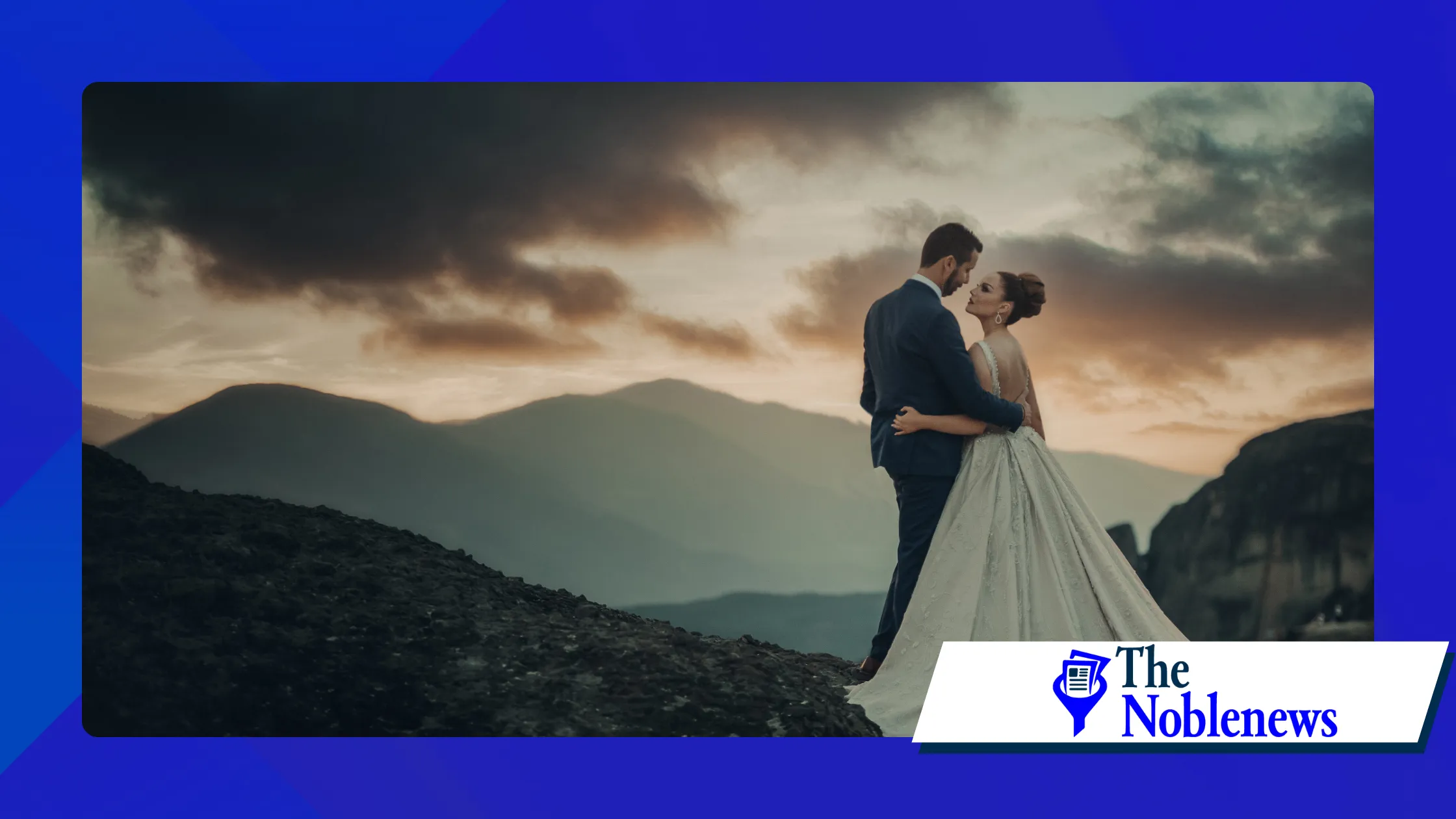
The late 1990s and early 2000s ushered in the digital revolution, a seismic shift in the history of wedding photography.
Digital cameras, with their instant feedback and limitless shots, freed photographers from the constraints of film.
No longer limited by the cost of developing rolls, photographers could experiment boldly, capturing hundreds of images in a single day.
This freedom fueled creativity, allowing for a blend of candid and artistic styles.
The history of wedding photography in the digital era is defined by this explosion of possibilities, where photographers became storytellers, artists, and editors all at once.
Editing software like Adobe Photoshop and Lightroom further transformed the craft.
Photographers could enhance colors, adjust lighting, or even create surreal effects, tailoring images to the couple’s vision.
This era also saw the rise of destination weddings, with photographers traveling to exotic locations to capture unique backdrops.
The digital age democratized wedding photography further, as amateurs with affordable DSLRs entered the market, though professionals distinguished themselves through skill and vision.
The history of wedding photography reflects this democratization, with a growing emphasis on personalization and artistic expression.
An analogy illustrates this shift: if early wedding photography was like a classical symphony, with rigid structure and predictable notes, digital photography is a jazz improvisation spontaneous, vibrant, and uniquely expressive.
Couples now expect albums that reflect their personalities, from moody black-and-white shots to vibrant, cinematic images.
The digital era also introduced online galleries and social media, allowing couples to share their wedding stories instantly, further embedding photography into the cultural fabric of weddings.
Modern Trends: Blending Art and Authenticity
Today, the history of wedding photography culminates in a rich tapestry of styles, blending candid moments, editorial aesthetics, and cutting-edge technology.
Photographers now use drones for aerial shots, 360-degree cameras for immersive perspectives, and AI tools for seamless editing.
The emphasis on authenticity remains, but it’s paired with a polished, almost cinematic quality.
Couples seek photographers who can capture the raw emotion of a first look while also crafting magazine-worthy portraits.
This balance reflects a cultural desire for both truth and beauty in wedding imagery.
Sustainability and inclusivity have also shaped modern trends.
Photographers increasingly prioritize eco-friendly practices, such as digital-only albums, while embracing diverse wedding traditions across cultures.
The history of wedding photography now includes a global perspective, with photographers documenting everything from Indian sangeet ceremonies to minimalist Scandinavian elopements.
This inclusivity enriches the craft, ensuring that every couple’s story is told with respect and creativity.
Why do we preserve these moments if not to honor the universal language of love?
The following table highlights key milestones in the history of wedding photography, illustrating how technology and culture have intertwined to shape the craft:
| Era | Key Development | Impact on Wedding Photography |
|---|---|---|
| 1840s-1880s | Daguerreotype and wet plate photography | Formal, studio-based portraits; limited accessibility |
| 1890s-1930s | Roll film and flashbulbs | On-site photography; early candid experiments |
| 1960s-1970s | 35mm SLR cameras | Rise of candid, photojournalistic style |
| 1990s-2000s | Digital cameras and editing software | Creative freedom; personalized, artistic albums |
| 2010s-Present | Drones, AI, and social media integration | Cinematic, inclusive, and immersive wedding imagery |
History of Wedding Photography: Frequently Asked Questions
The history of wedding photography sparks curiosity about its evolution and modern practices.
Below is a table addressing common questions, providing clarity for those exploring this art form:
| Question | Answer |
|---|---|
| When did wedding photography become common? | Wedding photography became widespread in the early 20th century with the advent of roll film and portable cameras, making it more affordable and accessible. By the 1950s, over 60% of weddings included professional photography. |
| What’s the difference between candid and formal wedding photography? | Candid photography captures spontaneous moments, emphasizing emotion and authenticity, while formal photography involves posed, structured shots, often prioritizing tradition and composition. Modern weddings often blend both styles. |
| How has digital technology impacted wedding photography? | Digital cameras and editing software have enabled limitless shots, instant feedback, and creative post-processing, allowing photographers to craft personalized, cinematic albums with greater artistic freedom. |
| Are film cameras still used in wedding photography? | Yes, some photographers use film for its nostalgic, organic aesthetic, though digital dominates due to its versatility and cost-effectiveness. Film is often a niche choice for artistic or vintage-inspired weddings. |
| How can couples choose the right wedding photographer? | Couples should review portfolios for style alignment, discuss budgets, and prioritize photographers who understand their vision and cultural preferences. Communication and trust are key to a successful collaboration. |
Conclusion: History of Wedding Photography
The history of wedding photography is a testament to human ingenuity and our enduring desire to preserve love’s most fleeting moments.
From the formal, sepia-toned portraits of the 19th century to today’s vibrant, candid masterpieces, this art form has evolved alongside technology and culture.
Each era whether defined by daguerreotypes, SLRs, or drones has added depth to the craft, reflecting society’s changing values.
As we look to the future, the history of wedding photography will continue to evolve, driven by innovation and a commitment to authenticity.
What will the next chapter reveal about how we capture love?
\