
How coral reef restoration supports marine biodiversity
Anúncios
In my years working in marine conservation, I have seen active coral reef restoration evolve from an experimental intervention into our primary strategy for preserving marine biodiversity and protecting coastal communities worldwide.
Coral reefs cover less than 1% of the ocean floor, yet they harbor over 25% of all marine life.
Rising sea temperatures, ocean acidification, and localized human stressors have placed these vital ecosystems under unprecedented strain.
Key Takeaways
- Biological Anchors: Coral reefs provide critical nursery, breeding, and foraging grounds for over 4,000 species of fish and thousands of invertebrates.
- Modern Solutions: Advanced approaches like micro-fragmentation, larval propagation, and selective breeding accelerate reef recovery and enhance thermal resilience.
- Structural Recovery: Rebuilding physical reef frameworks restores essential micro-habitats, driving ecological recovery from lower trophic levels up to apex predators.
- Socioeconomic Defense: Healthy restored reefs safeguard coastal protection, sustain artisanal fisheries, and support marine ecotourism economies.
What Is the Current State of Coral Reef Biodiversity?
Marine biodiversity relies heavily on the structural and biological complexity of healthy coral reefs.
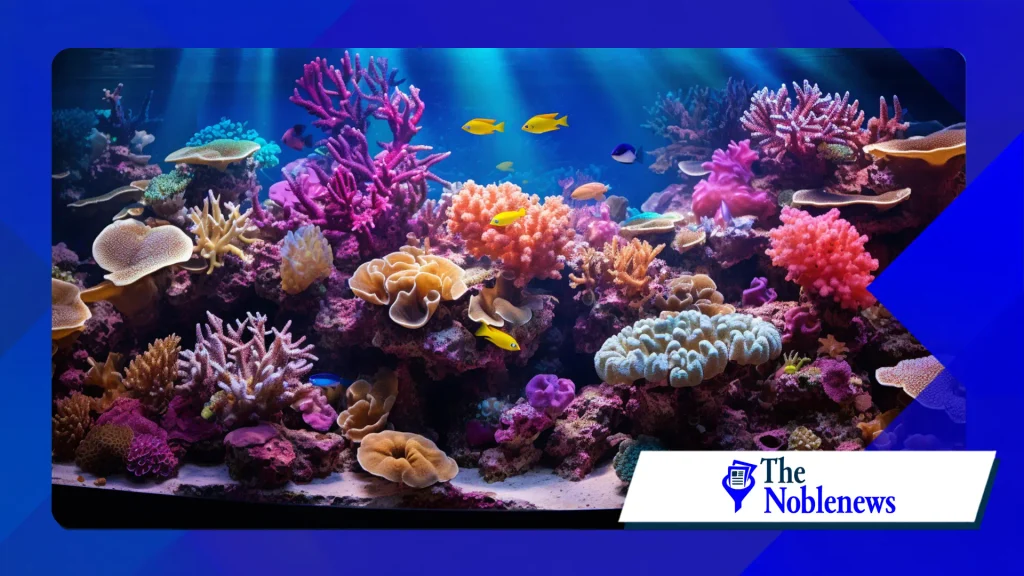
Coral polyps build three-dimensional calcium carbonate frameworks that create shelter, breeding grounds, and hunting territory for a vast array of marine organisms.
When environmental stress triggers widespread coral bleaching, the structural integrity of the reef degrades rapidly.
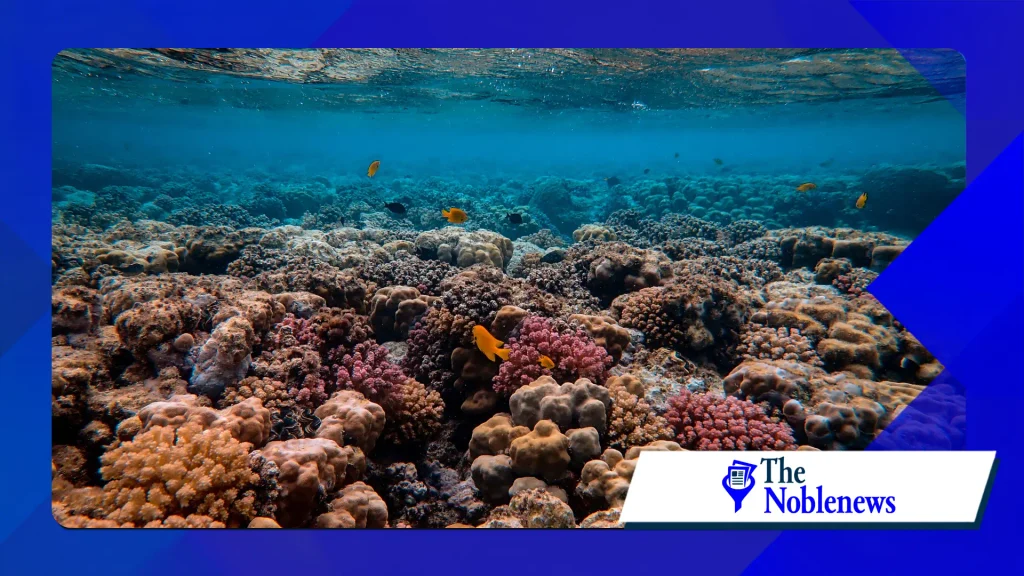
The loss of live coral cover leads to habitat simplification, which directly correlates with a drop in species richness.
Small reef fish lose protection from predators, invertebrate populations collapse, and larger pelagic species lose crucial foraging grounds.
My focus in restoration work centers on reversing this structural collapse.
By reintroducing living coral colonies and stabilizing substrate, we rebuild the fundamental architecture necessary to sustain complex marine food webs.
How Does Coral Reef Restoration Biological Recovery Work?
To counter rapid ecosystem decline, we utilize several scientifically validated techniques tailored to specific regional challenges.
++ What Recent Antarctic Research Reveals About Earth’s Future
Active restoration accelerates natural recruitment and recovery processes that would otherwise take decades or centuries to occur naturally.
Solution 1: Micro-Fragmentation and Coral Nursery Rearing
Micro-fragmentation involves cutting slow-growing massive corals into tiny tissue pieces using specialized diamond-bladed saws.
This process stimulates a rapid healing response, causing the fragments to grow up to 20 times faster than natural rates.
We culture these fragments in land-based raceways or in-water nurseries until they reach field-ready size.
Read here: The New Science Behind Climate-Resilient Crops
Once mature, we fuse identical clones back together on degraded natural reefs or artificial structures. This technique allows us to grow decades’ worth of coral cover in just a few years.
Solution 2: Micro-Fragmentation vs. Larval Propagation Methods
| Restoration Method | Key Technique | Growth Rate Impact | Genetic Diversity Focus | Best Suited For |
| Micro-Fragmentation | Asexual propagation via micro-tissue slicing | Rapid asexual growth (up to 20x natural speed) | Low (cloning existing genotypes) | Re-skinning massive head corals rapidly |
| Larval Propagation | Sexual reproduction via assisted larval settlement | Standard natural growth rate | High (recombining wild genetics) | Large-scale spatial seeding and genetic diversity |
| 3D Printed Substrates | Engineered structural design with calcium carbonate materials | Immediate structural provision | N/A (serves as settlement framework) | High-wave energy zones lacking natural substrate |

Solution 3: Larval Propagation and Assisted Gene Flow
Larval propagation captures spawn during mass coral spawning events.
We fertilize millions of eggs in controlled floating enclosures or land facilities, rearing larvae through their settlement phase before releasing them onto targeted degraded reefs.
This approach preserves and expands genetic diversity within wild populations.
High genetic diversity is essential for natural selection to operate, equipping reef communities with the adaptive capacity needed to survive shifting ocean temperatures.
Researchers studying ocean habitats through resources like the NOAA Coral Reef Conservation Program track how these combined restoration interventions directly enhance long-term ecosystem resilience.
Why Does Structural Complexity Matter for Marine Life?
Physical architecture defines the carrying capacity of a coral reef ecosystem. A flat, eroded reef offers few hiding spots, resulting in high mortality rates for juvenile fish and invertebrates.
++ How cashback reward apps influence shopping behavior
Restoring branching species like staghorn (Acropora cervicornis) and elkhorn (Acropora palmata) corals reinstates high-interstitial spaces. These complex branching structures serve distinct ecological functions:
- Nursery Refuges: Juvenile fish utilize dense coral branches to hide from larger predators during vulnerable life stages.
- Invertebrate Micro-Habitats: Crabs, shrimp, sea urchins, and mollusks occupy crevices, providing essential bio-cleaning services and substrate maintenance.
- Hydrodynamic Buffering: Complex coral geometries dissipate wave energy, creating calm micro-environments that favor macro-algal grazers and delicate marine organisms.
When we prioritize structural heterogeneity in our field projects, biological monitoring shows rapid re-colonization by diverse fish guilds within months of outplanting.
How Do Restored Reefs Boost Trophic Food Webs?
Coral reef restoration initiates a positive ecological feedback loop across multiple trophic levels.
Primary producers and foundational species establish the biological base, attracting primary consumers, secondary predators, and eventually apex species.
Herbivorous fish, such as parrotfish and surgeonfish, play a crucial role in maintaining restored sites. These species graze on macro-algae that would otherwise smother newly outplanted coral fragments.
As herbivore populations stabilize due to increased habitat refuge, coral survival rates improve.
This reciprocal relationship demonstrates that restoring foundational coral species stabilizes the entire functional web of the ecosystem.
What Are the Socioeconomic and Coastal Solutions Provided by Reefs?
The biological benefits of coral reef restoration extend directly to coastal human populations. Marine biodiversity underpins vital ecosystem services that protect infrastructure and support local livelihoods.
Coastal Defense: Healthy, high-biodiversity reefs absorb up to 97% of offshore wave energy, protecting shorelines from storm surges, coastal erosion, and rising sea levels.
Fisheries Support: Commercial and artisanal fisheries rely on reef nurseries to replenish stocks of wild fish harvested in surrounding waters.
Ecotourism Opportunities: Coastal communities benefit economically from marine protected areas featuring vibrant, species-rich restoration zones that attract divers and eco-tourists.
Frequently Asked Questions
How long does it take for a restored coral reef to support marine life?
Initial invertebrate and juvenile fish colonization often occurs within weeks to months following coral outplanting.
Fully functional biological community structures and mature food webs typically require five to ten years of sustained restoration and local protection.
Can restored coral reefs survive future marine heatwaves?
Restoration programs increasingly utilize climate-resilient corals selected for natural heat tolerance.
By combining thermal selection with high genetic diversity strategies, we aim to build restored reef populations better equipped to survive localized warming events.
What is the difference between artificial reefs and coral restoration?
Artificial reefs involve placing man-made structures (like concrete blocks or submerged vessels) on the seafloor to provide physical structure.
Coral restoration focuses on actively culturing, outplanting, and managing living coral colonies to re-establish dynamic biological ecosystems.
Building Long-Term Marine Resilience
Active coral reef restoration plays an essential role in preserving ocean biodiversity and safeguarding coastal communities.
By combining advanced biological propagation techniques with strategic field management, we can rebuild functional reef architectures, protect endangered marine species, and secure vital ecosystem services for generations to come.
International research updates published by the Intergovernmental Panel on Climate Change consistently highlight reef restoration and ocean conservation as vital components of nature-based coastal resilience strategies.
Through scalable solutions and continuous monitoring, we have a clear path forward to protect these invaluable marine ecosystems.
++ How Does Coral Reef Restoration Helps Save Marine Life?
++ Coral restoration to support and improve reef ecosystem services
\