
How game demo festivals help indie titles find new audiences
Anúncios
Participating in a game demo festival gives independent developers direct access to millions of eager players, content creators, and publishers looking for the next breakout hit.
Digital showcases on major storefronts solve the critical discoverability challenge faced by budget-constrained studios by converting temporary player interest into lasting algorithmic momentum.
Here is what this guide covers:
- The Mechanics of Discoverability: How digital showcases generate instant algorithmic momentum.
- Streamer and Press Amplification: Leveraging free playables to earn organic media coverage.
- Data-Driven Iteration: Turning demo playtimes and player feedback into production refinements.
- Conversion Optimization: Actionable strategies to convert casual demo players into day-one buyers.
What Are Game Demo Festivals and How Have They Evolved?
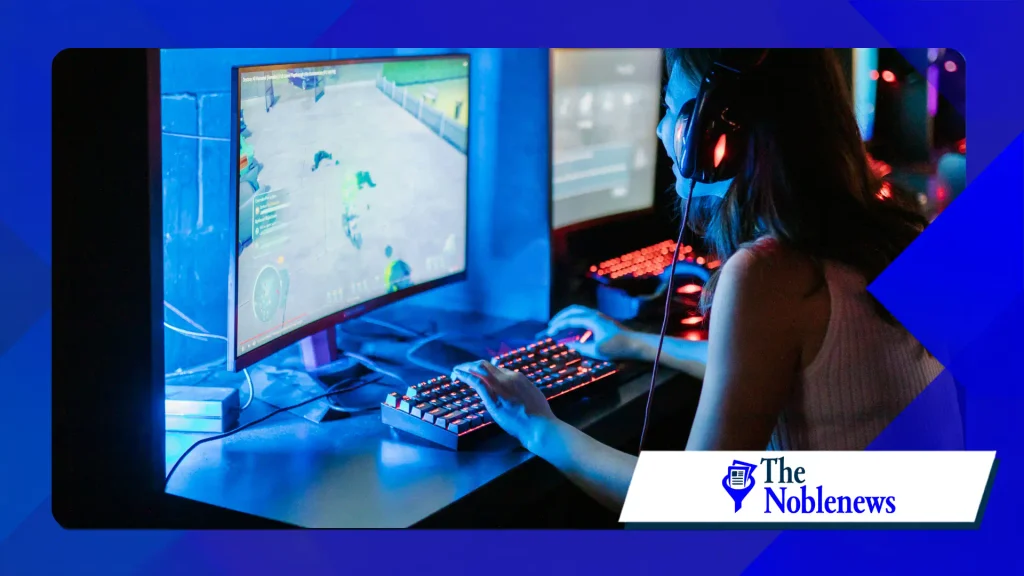
Digital showcases give players temporary, free access to hundreds of upcoming games directly through storefronts like Steam, Xbox, and PlayStation.
Originating as a response to the decline of physical trade shows, these online events democratize visibility for developers who cannot afford expensive convention booths.
For developers, these showcases serve as high-visibility launchpads.
Platforms algorithmically feature participating titles on event landing pages, exposing niche projects to audiences that would never discover them through manual searches.
The format has expanded beyond major storefront platforms.
Independent publishers, regional game developer associations, and genre-specific communities routinely host targeted events throughout the year to spotlight tactical RPGs, horror titles, or cozy simulators.
How Do Demo Festivals Drive Wishlist Growth and Storefront Visibility?
Storefront algorithms operate on velocity metrics. When thousands of users concurrently download a demo, play it for extended sessions, and click “Add to Wishlist,” platform recommendation engines take immediate notice.
Wishlists represent the single most reliable indicator of commercial viability on PC platforms.
Accumulating high wishlist numbers before release triggers critical automated features, such as inclusion in “Popular Upcoming” tabs and dedicated launch notification emails sent directly to interested buyers.
++ How 4v4 fighting games are reshaping competitive multiplayer
Events generate concentrated urgency. Because many demos disappear or lose featured status after the showcase concludes, players feel compelled to test games immediately rather than adding them to an indefinite backlog.

Why Do Content Creators and Gaming Journalists Rely on Demo Events?
Streamers, content creators, and games journalists face relentless demand for fresh content.
Searching through unreleased store pages yields uncertain results, whereas curated festival lineups guarantee accessible, playable builds.
A polished vertical slice allows creators to broadcast live gameplay without waiting for press review keys.
Twitch and YouTube broadcasts expose titles to tens of thousands of viewers simultaneously, driving immediate secondary waves of demo downloads.
Media outlets regularly structure their editorial coverage around these events, publishing “Best Demos to Play” roundups.
Securing a spot on these curated lists grants indie studios high-authority media mentions that would otherwise require costly public relations campaigns.
To better understand how search engines index and highlight media coverage, reviewing the Google Search Central documentation on discoverability and structured data offers valuable insight into online visibility standards.
How Does Player Feedback During Festivals Improve Final Game Quality?
Releasing a playable build months before launch provides an aggressive stress test for game mechanics, UI design, and onboarding sequences.
Developers gain access to unbiased player behavior data that internal quality assurance teams rarely replicate.
Telematics and community channels highlight specific friction points.
Read more: Why Physical Game Collections Are Becoming More Valuable
If forty percent of players quit during the second level, telemetry data points directly to a design flaw or difficulty spike that requires immediate balancing.
Early community feedback prevents disastrous full-version launches.
Fixing bugs, clarifying tutorials, and refining performance based on festival player input ensures the final commercial product launches with higher review scores.

What Is the Difference Between Digital Demo Festivals and Physical Gaming Conventions?
Physical conventions like PAX or Gamescom offer valuable networking, but their sheer cost creates high barriers to entry for self-funded developers.
++ Why walking after meals improves metabolic health markers
Digital festivals eliminate travel expenses, booth fees, and physical hardware rentals while reaching a global audience.
| Metric / Feature | Digital Demo Festivals (e.g., Steam Next Fest) | Physical Trade Shows (e.g., PAX, Gamescom) |
| Direct Financial Cost | Minimal (Standard developer account fees) | High ($5,000 to $50,000+ for travel & booth) |
| Audience Reach | Millions of global online players | Tens of thousands of local attendees |
| Data Collection | Automatic analytics, telemetry, and wishlists | Manual survey collection and verbal feedback |
| Streamer Friction | Zero friction (Instant digital download) | High friction (Requires recording rigs or keys) |
| Primary Output | Algorithmic momentum and wishlist spikes | B2B networking and physical press meetings |
While physical shows remain excellent for meeting publishers, platform representatives, and industry peers, digital showcases yield far superior returns on investment for raw consumer acquisition and wishlist growth.
How Can Developers Maximize Their Impact During a Demo Festival?
Preparation dictates success during high-traffic digital showcases. Simply submitting a build and waiting for downloads rarely yields top-tier results.
Designing the demo experience requires careful scoping. A demo should last between 30 and 45 minutes—long enough to showcase core mechanics, but short enough to leave players wanting more.
Ending the playable build on a compelling cliffhanger or presenting an explicit “Wishlist on Storefront” call-to-action screen significantly increases conversion rates.
Simultaneously, studios must optimize store page assets. High-resolution trailers, readable capsule art, and clear short descriptions ensure that incoming festival traffic converts into permanent wishlist additions.
External industry research highlights how player sentiment during early access events directly influences commercial longevity.
According to a long-term industry study published in the IEEE Xplore Digital Library on Software Engineering Practices, early public software deployments dramatically reduce critical post-release defects and improve long-term user satisfaction.
Frequently Asked Questions
When is the best time in a game’s development cycle to enter a demo festival?
Enter a festival when your core gameplay loop is fully functional, polished, and representative of the final product.
Aim for 3 to 6 months before your target release date to ensure you have enough time to process player feedback while maintaining the marketing momentum generated by the event.
Should a game demo remain available permanently after a festival ends?
Removing the demo shortly after the festival creates a sense of exclusivity and helps focus player attention on the upcoming full release.
Keep the demo live only if it continues to drive consistent daily wishlists or if your game relies heavily on ongoing multiplayer playtesting.
How long should an indie game demo be?
An ideal indie game demo runs between 30 and 45 minutes.
This duration gives players enough time to understand the unique mechanics and world without feeling completely satisfied, driving them to wishlist the full title to see the rest of the story or content.
Can a bad demo ruin a game’s launch prospects?
Yes. Releasing an unpolished demo plagued by game-breaking bugs, poor performance, or confusing tutorials will turn away prospective buyers and content creators.
If your build is not stable and satisfying, postpone your festival participation until the experience meets commercial standards.
Maximizing discoverability requires leveraging structured digital showcases alongside rigorous product iteration.
By delivering polished demos during high-traffic events, independent developers turn casual browser interest into long-term commercial momentum.
Focus on strong onboarding, gather telemetry data, and direct every player toward your wishlist button to transform festival visibility into day-one sales success.
++ How Playable Game Moments Could Help Indie Games Get Discovered
++ How to Actually Market Your Indie Game on Steam
