
Il lato oscuro delle app per dispositivi mobili: raccolta dati e sorveglianza
Annunci
IL Il lato oscuro delle app per dispositivi mobili Non si tratta di un errore nascosto o di uno script difettoso; è il fondamento stesso su cui si basa la moderna economia digitale.
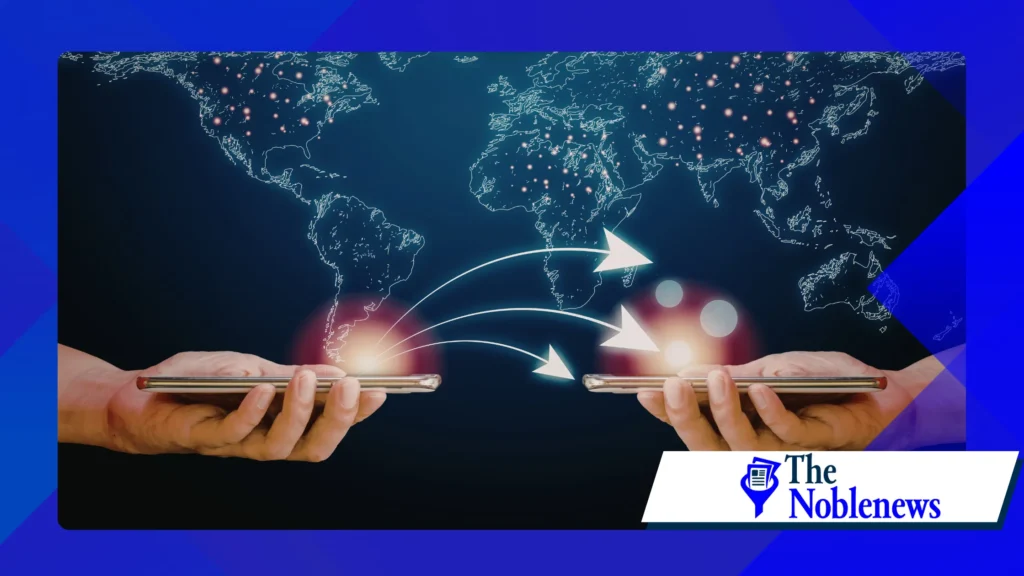
Quando infili uno smartphone in tasca, non stai semplicemente portando con te uno strumento di comunicazione, ma un sofisticato dispositivo di telemetria che mappa meticolosamente la tua vita per il miglior offerente.
Sintesi delle analisi
- Le meccaniche del tracciamento invasivo dei dati di background.
- Distinzione tra autorizzazioni funzionali e sorveglianza eccedente.
- Fattori economici alla base del modello di business delle "app gratuite".
- Analisi degli ecosistemi di intermediazione e condivisione dei dati da parte di terzi.
- Strategie pratiche per migliorare le impostazioni della privacy sul tuo dispositivo mobile.
Cosa definisce l'architettura di sorveglianza nel software per dispositivi mobili?
La maggior parte degli utenti considera le autorizzazioni delle app come una scelta binaria: sì o no. In realtà, Il lato oscuro delle app per dispositivi mobili Ciò si manifesta nei "dati in eccesso" raccolti, ovvero informazioni che non hanno assolutamente nulla a che vedere con lo scopo dichiarato dell'app.
Una calcolatrice non ha bisogno della tua rubrica per calcolare le radici quadrate, eppure queste richieste eccessive sono spesso incluse nei termini di servizio.
Questo processo di estrazione è reso possibile dai Software Development Kit (SDK). Questi strati invisibili di codice agiscono come sifoni digitali, convogliando i vostri modelli comportamentali verso server esterni.
Si tratta di una trasmissione silenziosa e costante della tua identità che avviene anche quando lo schermo è spento e il dispositivo è inattivo.
In che modo il monitoraggio in background erode l'autonomia personale?
C'è qualcosa di intrinsecamente inquietante in un dispositivo che sa che ti trovi nello studio di un cardiologo prima ancora che lo sappia la tua famiglia.
La sorveglianza moderna non si limita alla lettura del testo; si basa sull'inferenza delle intenzioni. Monitorando quanto tempo ci si sofferma su una specifica notifica o mappando il percorso fisico per andare al lavoro, le app creano un "gemello digitale" della propria persona.
Questo profilo viene poi utilizzato per influenzare il tuo comportamento. Che si tratti di una pubblicità di un prestito che ti viene mostrata al momento giusto mentre ti trovi vicino a una concessionaria d'auto o di un messaggio politico studiato appositamente per le tue ansie, l'obiettivo è lo stesso: una manipolazione algoritmica sottile.
Siamo passati dalla semplice raccolta di dati all'era dell'ingegneria comportamentale predittiva.
Perché la parola "gratuito" è diventata il prezzo più alto da pagare?
Il vecchio adagio "se non paghi, sei tu il prodotto" si è evoluto in qualcosa di più aggressivo.
Nel 2026, non sei più solo il prodotto; sei la materia prima. I dati personali sono il petrolio greggio del XXI secolo e il tuo smartphone è il principale strumento di estrazione.
“La privacy non è un'opzione, e non dovrebbe essere il prezzo che accettiamo solo per poter accedere a Internet.” — Gary Kovacs
Quando un'app viene offerta gratuitamente, lo sviluppatore di solito ne sovvenziona i costi vendendo l'accesso alla tua vita.
Questi dati vengono inseriti nel Fondazione per la Frontiera Elettronica "Profili ombra" documentati: insiemi di dati detenuti da aziende di cui non hai mai sentito parlare e con cui non hai mai acconsentito a interagire.
Quali sono i dati più ambiti dai broker?
L'industria non vuole solo il tuo nome; vuole il tuo "grafico". Questo include con chi parli, dove vai e come reagisci allo stress.
++ Le migliori app per i nomadi digitali per rimanere organizzati
La tabella seguente evidenzia le metriche specifiche che attualmente dominano il mercato del brokeraggio.
Parametri di estrazione e domanda di mercato (2026)
| Categoria dati | Valore narrativo | Tasso di accesso |
| Geolocalizzazione precisa | Mappatura dell'intento fisico e dello stile di vita | 72% |
| Grafico sociale | Connettività con influencer e reti di contatti | 45% |
| Identificatori cross-app | Tracciamento unificato su tutto il web | 88% |
| Metadati biometrici | persistenza dell'identità ultima | 18% |
| Dati del sensore | Inferenza dello stato emotivo e fisico | 94% |
Quali rischi per la sicurezza comportano le librerie di terze parti?
IL Il lato oscuro delle app per dispositivi mobili Spesso si tratta di un problema legato alla catena di fornitura. Uno sviluppatore potrebbe avere buone intenzioni, ma le librerie di terze parti che utilizza per monitorare i crash o pubblicare annunci spesso celano i propri interessi.
Questi componenti "a scatola nera" vengono eseguiti con gli stessi privilegi dell'app stessa, creando enormi punti ciechi in termini di sicurezza.
Se una popolare app meteo utilizza una libreria di tracciamento difettosa, ogni utente di quell'app diventa improvvisamente vulnerabile a fughe di dati o attacchi man-in-the-middle.
Per saperne di più: Le migliori app di meditazione supportate dalla scienza
Ciò crea un rischio a cascata in cui una singola vulnerabilità in una porzione di codice comune può esporre milioni di utenti contemporaneamente.
Quando è opportuno rivedere la propria libreria di app?
Controlla il tuo telefono con una sana dose di paranoia. Se un'app non è stata aperta negli ultimi trenta giorni, non dovrebbe essere consentito che rimanga in esecuzione in background a raccogliere dati.
Spesso trattiamo le nostre librerie di app come cassetti digitali pieni di cianfrusaglie, dimenticando che ogni icona rappresenta una potenziale finestra sulla nostra vita privata.
++ L'ascesa dei tour immobiliari in realtà virtuale nei mercati globali
Presta attenzione alle richieste "Sempre attivo". Raramente un'app di un negozio ha una valida ragione per conoscere la tua posizione alle 3:00 del mattino mentre dormi.
Limitare queste autorizzazioni alla sola modalità "Durante l'utilizzo" è il minimo indispensabile per preservare un barlume di confine digitale in un mondo sempre più privo di confini.
Come possiamo riconquistare la sovranità digitale? Il lato oscuro delle app per dispositivi mobili
Difendersi contro il Il lato oscuro delle app per dispositivi mobili richiede di andare oltre il consumo passivo.
Utilizza gli strumenti di "Trasparenza del tracciamento delle app" per interrompere il collegamento tra le tue diverse identità digitali.
Quando possibile, optate per alternative open source o basate sul principio "Privacy by Design", che elaborano i dati localmente sul vostro dispositivo anziché nel cloud.
Il framework di sicurezza mobile aggiornato del NIST suggerisce che la migliore difesa sia quella a più livelli.
Utilizza DNS crittografati per bloccare il tracciamento a livello di rete e sii inflessibile riguardo ai sensori a cui un'app può accedere.
La privacy è un muscolo; se non lo si allena compiendo scelte consapevoli, alla fine si atrofizza.
Riflessioni finali
La comodità di una vita connessa è innegabile, ma il costo di tale comodità viene calcolato in data center che non visiteremo mai.
Riconquistare la propria privacy non significa nascondersi; significa affermare che i propri movimenti, le proprie frequentazioni e le proprie abitudini appartengono solo a noi. L'industria tecnologica non ci restituirà la nostra autonomia volontariamente: dobbiamo riprendercela, un permesso alla volta.
Domande frequenti: sorveglianza delle app e privacy
Le app possono ascoltare le mie conversazioni private?
Sebbene i colossi della tecnologia neghino l'“ascolto attivo” per la pubblicità, le app utilizzano spesso beacon ultrasonici ad alta frequenza e modelli di metadati così precisi da simulare gli effetti di un'intercettazione.
La funzione "Limita il tracciamento degli annunci" funziona davvero?
Impedisce l'utilizzo del tuo ID pubblicitario ufficiale, ma le app più sofisticate possono comunque utilizzare il "fingerprinting", ovvero la combinazione del livello della batteria, della luminosità dello schermo e dell'indirizzo IP per identificarti con elevata precisione.
Gli iPhone garantiscono maggiore privacy rispetto ai dispositivi Android?
L'ecosistema Apple offre strumenti di blocco "pronti all'uso" più robusti, ma qualsiasi app con le autorizzazioni concesse può comunque raccogliere dati. La privacy dipende più dal comportamento dell'utente che dal sistema operativo.
Perché un'app ha bisogno di accedere alla mia rete locale?
Solitamente, questo strumento viene utilizzato per individuare altri dispositivi intelligenti presenti in casa (come una smart TV o un frigorifero smart) al fine di creare un profilo più completo del nucleo familiare e della situazione economica.
Con quale frequenza dovrei svuotare la cache della mia app?
Svuotare la cache non interromperà il tracciamento, ma disinstallare e reinstallare le app a volte può reimpostare alcuni identificatori locali che le aziende utilizzano per mantenere una cronologia permanente della tua attività.
++ Controlla subito il tuo telefono: queste 20 app popolari stanno distruggendo la tua privacy.
++ Il lato oscuro del mobile: minacce che prendono di mira Android e iOS
