
Perché i supporti fisici stanno tornando di moda tra le comunità geek
Annunci
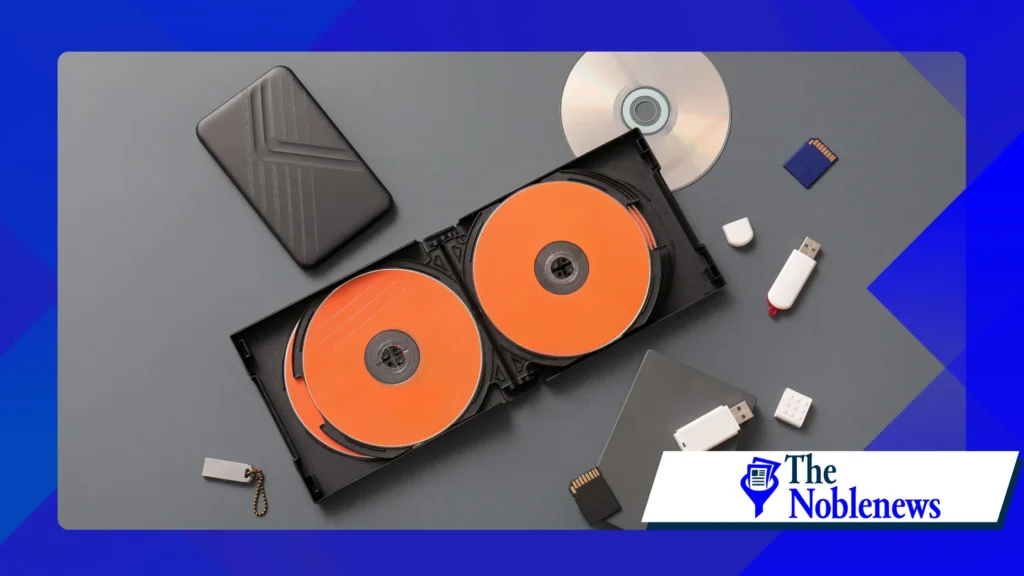
La rinascita moderna di supporti fisici Questo segna un affascinante cambiamento culturale nel modo in cui gli appassionati interagiscono con i loro ecosistemi di intrattenimento preferiti.
La digitalizzazione di massa prometteva la massima comodità, eppure milioni di appassionati in tutto il mondo stanno tornando attivamente ai dischi, alle cartucce e alle versioni cartacee tradizionali.
Sommario
- Perché la stanchezza da streaming sta accelerando la ripresa dell'attività fisica?
- Come si confrontano bitrate e qualità audio con le opzioni digitali?
- Quali sono i fattori che alimentano il fenomeno delle boutique di lusso?
- Analisi del costo reale della proprietà di contenuti di intrattenimento
- Domande frequenti
Perché la stanchezza da streaming sta accelerando la ripresa dell'attività fisica?
La curatela algoritmica inizialmente sembrava rivoluzionaria, ma l'infinita frammentazione ha trasformato l'intrattenimento digitale in un compito estenuante sia per gli spettatori occasionali che per gli appassionati più incalliti.
Le piattaforme aziendali eliminano regolarmente serie televisive concluse, modificano dialoghi storici controversi e bloccano l'accesso a film molto attesi dietro costosi abbonamenti a pagamento.
C'è qualcosa di profondamente inquietante nel vedere un film che ami scomparire da un giorno all'altro da un catalogo semplicemente perché è scaduto un contratto di licenza.
[Proprietà digitale] ---> Soggetta ad accordi di licenza ---> Può essere cancellata arbitrariamente [Proprietà fisica] ---> Protetta dalla dottrina della prima vendita ---> Accesso personale permanente
Le recenti scelte di ristrutturazione aziendale dimostrano che gli acquisti digitali sono semplici licenze temporanee e revocabili, piuttosto che acquisizioni di proprietà permanenti.
I geek disprezzano questo modello instabile, riconoscendo che gli scaffali locali offrono l'unica protezione infallibile contro le inaspettate strategie di epurazione aziendali. Quando la proprietà diventa un modello in abbonamento, la conservazione diventa un atto radicale.
I veri collezionisti considerano i loro scaffali accuratamente selezionati come un segno distintivo della propria identità, trasformando gli spazi abitativi privati in splendidi monumenti di apprezzamento artistico.
I cofanetti fisici offrono splendide copertine, libretti descrittivi e un contesto storico che i menu digitali semplicemente non possono replicare online. Un riquadro digitale su uno schermo è privo di anima; non può catturare la soddisfazione tattile di sollevare un pesante cofanetto da uno scaffale.
Come si confrontano bitrate e qualità audio con le opzioni digitali?
Gli appassionati di home theater sanno bene che i flussi digitali compressi impallidiscono al confronto con le enormi quantità di dati trasportabili dai supporti ottici non compressi.
Mentre un tipico streaming 4K raggiunge al massimo circa quindici megabit al secondo, i dischi ad altissima definizione offrono facilmente bitrate sostenuti superiori a ottanta megabit al secondo.
Questa netta disparità tecnica viene spesso completamente fraintesa dal pubblico generalista, che confonde la comodità con la qualità effettiva.
Gli impianti audio di fascia alta mettono immediatamente in luce i gravi limiti acustici delle piattaforme digitali, che comprimono pesantemente i palcoscenici sonori multicanale per risparmiare larghezza di banda complessiva dei server.
Le tracce audio lossless offrono un'immensa gamma dinamica, una precisione direzionale millimetrica e frequenze basse potentissime che gli algoritmi di streaming audio comprimono completamente.
Affidandosi esclusivamente a una connessione internet, si ascolta essenzialmente una pallida imitazione del mix audio originale della versione cinematografica.
Streaming video 4K: ||||| (15 Mbps - Altamente compresso) Disco Blu-ray 4K UHD: |||||||||||||||||||||||||||||||||||||||| (85+ Mbps - Massima fedeltà)
Gli appassionati di video esigono la perfezione tecnica assoluta, scegliendo supporti ottici specializzati per eliminare completamente pixelizzazione, artefatti di colore e improvvisi rallentamenti dovuti al buffering di rete.
++ Come la cultura geek influenza le moderne strategie di marketing
Investire in dischi fisici garantisce che il vostro costoso televisore visualizzi esattamente ciò che il regista aveva originariamente previsto durante la produzione cinematografica. Colma il divario tra le sale cinematografiche commerciali e i salotti domestici senza compromessi da parte delle aziende.
Quali sono i fattori che alimentano il fenomeno delle boutique di lusso?
I distributori specializzati indipendenti sono riusciti a salvare il cinema classico dalla totale oscurità digitale, trattando le singole uscite cinematografiche come prodotti di lusso di alta gamma.
Le aziende leader del settore, specializzate in prodotti di lusso, si concentrano esclusivamente su confezioni di alta gamma, commenti storici esaustivi e restauri impeccabili fotogramma per fotogramma a partire dai negativi originali. Il loro modus operandi si configura più come quello di curatori d'arte che come quello dei tradizionali distributori di home video.
Secondo i dati raccolti dal Digital Entertainment GroupNel corso del 2025, le vendite di supporti ottici 4K di alta qualità sono aumentate del dodici percento, a dimostrazione del fatto che i collezionisti più appassionati sono disposti a pagare cifre elevate per le edizioni cinematografiche definitive.
Queste etichette di nicchia, specializzate e di nicchia, sopravvivono servendo un pubblico appassionato che considera il cinema come una vera e propria forma d'arte, piuttosto che un contenuto di sottofondo usa e getta. Si tratta di un ecosistema sostenibile, fondato sul rispetto reciproco tra creatori e archivisti.
Le edizioni speciali in metallo e le splendide custodie personalizzate suscitano un immenso orgoglio nei collezionisti, trasformando beni di consumo standard in investimenti alternativi altamente ambiti.
Film cult completamente ignorati dai servizi di streaming trovano nuova vita grazie a questi modelli di distribuzione fisica incredibilmente dettagliati.
Un film horror dimenticato del 1982 riceve improvvisamente un trattamento di riguardo, completo di saggi accademici e colorazione restaurata.
Per saperne di più: Le migliori serie TV di fantascienza in streaming al momento
| Formato medio | Bitrate video medio | Standard di fedeltà audio | Garanzia di proprietà |
| Blu-ray 4K Premium | 75 – 100 Mbps | Dolby TrueHD / DTS-HD senza perdita di dati | Diritti personali permanenti |
| Disco standard 1080p | 35 – 40 Mbps | Master Audio Formats | Diritti personali permanenti |
| Streaming principale in 4K | 15 – 25 Mbps | Dolby Digital Plus compresso | Licenza aziendale revocabile |
Analisi del costo reale della proprietà di contenuti di intrattenimento
Le quote di abbonamento si accumulano silenziosamente nel tempo, sottraendo centinaia di dollari all'anno a consumatori ignari che raramente utilizzano tutti i servizi che pagano.
Destinare il budget discrezionale all'acquisizione mirata di supporti fisici consente di costruire una libreria di beni tangibili e di alto valore, che mantengono una reale valutazione sul mercato secondario.
State trasformando una spesa mensile ricorrente in un patrimonio culturale personale permanente.
Abbonamenti annuali in streaming: $150 + $180 + $140 = $470/anno (nessun patrimonio creato) Acquisti fisici mirati: 20 cofanetti premium = $400/anno (beni materiali permanenti)
Le piattaforme digitali spesso modificano o censurano completamente i contenuti multimediali più datati per adattarli alla mutevole sensibilità moderna, vanificando gli sforzi di conservazione storica.
Acquistare un disco d'epoca non alterato preserva l'integrità artistica storica, garantendo che le generazioni future possano vivere l'esperienza di importanti capolavori cinematografici esattamente come furono originariamente girati.
Questa conservazione è fondamentale per mantenere una testimonianza accurata e non alterata della nostra evoluzione culturale collettiva.
Le preoccupazioni relative alla censura si sono trasformate da teorie del complotto paranoiche in una realtà concreta, spingendo le moderne comunità di appassionati di tecnologia a proteggere strenuamente gli archivi di supporti fisici.
++ L'ascesa delle scoperte della biologia quantistica nella scienza medica
Proteggere il nostro ricco patrimonio di cultura pop richiede di mantenere in vita le copie fisiche decentralizzate, al riparo da manipolazioni algoritmiche retroattive o da improvvise cancellazioni da parte delle aziende.
La difesa definitiva contro il revisionismo digitale è una robusta libreria piena di plastica e carta.

Domande frequenti
I supporti fisici sono più costosi rispetto al mantenimento di più servizi di streaming?
L'acquisto iniziale di hardware richiede investimenti finanziari anticipati, ma la raccolta strategica di supporti fisici a lungo termine spesso consente agli appassionati di risparmiare somme considerevoli nel tempo.
Disdire tre abbonamenti streaming poco utilizzati compensa completamente il costo di acquisto mensile di diversi titoli di nicchia di alta qualità da aggiungere alla propria collezione permanente.
Le console per videogiochi moderne supportano ancora i dischi fisici?
I principali produttori di hardware continuano a realizzare varianti di console di fascia alta dotate di unità ottiche ad altissima definizione per soddisfare l'enorme domanda dei consumatori globali.
Mantenere intatta la funzionalità fisica dei dischi rimane di fondamentale importanza per i giocatori che desiderano partecipare alle fiorenti reti di scambio secondario e ai mercati dell'usato.
Come dovrebbero conservare correttamente i collezionisti i supporti ottici per prevenirne il deterioramento?
Per preservare l'integrità del disco a lungo termine è necessario mantenere ambienti a temperatura e umidità controllate, protetti dalla luce solare diretta, dall'eccessiva umidità ambientale e da forti sbalzi di temperatura.
Conservare la collezione in verticale all'interno delle custodie protettive originali previene la deformazione strutturale e mantiene le delicate superfici riflettenti completamente al riparo dai graffi.
Le vecchie collezioni di DVD possono ancora essere visualizzate bene sui televisori moderni?
Hardware di riproduzione avanzato e lettori standalone specializzati utilizzano sofisticati algoritmi di upscaling basati sull'intelligenza artificiale per migliorare drasticamente i segnali televisivi tradizionali.
Questi sistemi di elaborazione in tempo reale eliminano efficacemente la grana, migliorano la nitidezza del testo e levigano i bordi frastagliati sui vecchi dischi a definizione standard.
Conclusione
La spettacolare rinascita culturale dei supporti fisici mette in luce una profonda consapevolezza collettiva: la comodità del digitale non può sostituire la vera proprietà artistica.
I geek sono in prima linea in questa importante battaglia, rifiutando gli ecosistemi aziendali restrittivi per preservare attivamente la storia materiale attraverso splendide collezioni personali permanenti.
Prenditi un momento per valutare i tuoi prodotti di intrattenimento preferiti e considera l'idea di procurarti oggi stesso una copia fisica del tuo capolavoro cinematografico preferito.
Per ulteriori approfondimenti storici sulle trasformazioni della tecnologia di consumo e sui cambiamenti nella distribuzione dei media al dettaglio, esplora le analisi dettagliate del settore su PricewaterhouseCoopers Global Outlook.
++ I supporti fisici sono tornati di moda. I servizi di streaming hanno solo se stessi da incolpare.
