
Perché i meme autentici e spontanei superano in termini di qualità i contenuti più elaborati.
Annunci
La rapida ascesa di meme autentici e senza sforzo riflette un cambiamento permanente nel modo in cui la cultura digitale comunica, privilegiando la velocità, l'umorismo relazionale e l'onestà genuina rispetto alla sterile perfezione visiva.
Nel panorama digitale odierno, i team di marketing aziendali spendono decine di migliaia di dollari per produrre campagne sui social media impeccabili e ad alta definizione, solo per poi vedere un meme pixelato creato con Microsoft Paint in 45 secondi ottenere un coinvolgimento dieci volte superiore.
Il pubblico è sempre più stanco di materiali promozionali troppo elaborati e patinati.
Per comprendere questa dinamica è necessario andare oltre i canoni convenzionali del design grafico ed esaminare la cultura visiva attraverso la lente della fiducia del pubblico.
Punti chiave
- Il paradosso polacco: Un design visivo accattivante innesca una resistenza cognitiva perché il pubblico moderno interpreta immediatamente i contenuti di alta qualità come pubblicità aziendale.
- Speed Over Studio: I contenuti ad alta velocità e bassa fedeltà consentono a creatori e marchi di rispondere alla cultura in tempo reale, prima che il discorso online cambi.
- EEAT Realismo: Le immagini grezze trasmettono un'esperienza umana autentica, contribuendo a creare un maggiore livello di fiducia tra le fasce demografiche più giovani, che apprezzano le interazioni trasparenti.
- Condivisione a basso attrito: Immagini minimaliste e di facile comprensione eliminano le barriere strutturali, favorendo la distribuzione immediata da persona a persona.

Perché il pubblico preferisce i meme autentici e spontanei ai contenuti professionali?
Il marketing tradizionale si affida alla cura dell'aspetto visivo per trasmettere professionalità e autorevolezza. Sulle piattaforme social, invece, un'elevata qualità di produzione funge da segnale immediato di intenti commerciali.
Quando un utente scorre una fotografia scattata in studio con un'illuminazione perfetta e una gradazione di colore editoriale, il suo cervello classifica il post come pubblicità prima ancora di leggere una sola parola.
La preferenza per i contenuti grezzi deriva dalla psicologia visiva. Tipografia grossolana, artefatti di compressione evidenti e layout di immagine semplici segnalano un intento non commerciale.
Quando i contenuti multimediali sembrano una copia esatta di una conversazione via messaggio, gli spettatori abbassano le proprie difese.
La comunicazione digitale si è fortemente orientata verso il sottotesto, l'ironia e i riferimenti culturali condivisi. La cultura di internet moderna si basa su cicli di rapida evoluzione, in cui le battute cambiano nel giro di poche ore.
Un ciclo di produzione mediatica ad alto budget che si estende per tre settimane non riesce a cogliere questi fugaci momenti culturali.
Nel momento in cui uno studio aziendale approva una grafica rifinita, il contesto culturale sottostante si è già evoluto verso un nuovo modello.
I formati visivi autentici si distinguono dal rumore visivo proprio perché appaiono non ottimizzati. Imitano il modo informale e spontaneo in cui le persone comuni comunicano con i propri amici tramite messaggi diretti.
++ I meme possono essere educativi?
| Attributo | Risorse rifinite in studio | Meme autentici e senza sforzo |
| Riorganizzazione della produzione | Da 3 giorni a 3 settimane | Da 2 a 15 minuti |
| Percezione del pubblico | Aziendale, transazionale | Peer-to-peer, umano |
| Costo di produzione | Elevato ($500 – $5.000+) | Vicino allo zero |
| Coinvolgimento dell'algoritmo | Calo della portata organica | azioni ad alta velocità |
| Durata | Annunci pubblicitari lunghi (sempreverdi) | Breve, estremamente pertinente |
| Trust Barrier | Elevata resistenza cognitiva | Bassa resistenza cognitiva |
In che modo la crudezza visiva contribuisce a costruire fiducia sia a livello algoritmico che umano?
La fiducia nei media digitali è ai minimi storici a causa dei deepfake, della manipolazione pesante delle immagini e della generazione automatica di contenuti visivi.
Le immagini ad alta definizione non garantiscono più l'autenticità; in molti casi, un'eccessiva cura dei dettagli genera scetticismo riguardo a ciò che l'immagine intende vendere o nascondere.
I creatori digitali che utilizzano screenshot di testo semplice, note telefoniche essenziali e ritagli di immagini non modificate presentano un'estetica di verità senza filtri.
Secondo la ricerca comportamentale pubblicata da Centro di ricerca PewGli utenti di Internet esprimono costantemente scetticismo nei confronti della comunicazione istituzionale, preferendo invece esperienze umane verificate e condivise tra pari.
Dal punto di vista algoritmico, il coinvolgimento dipende dalla velocità di distribuzione.
Le piattaforme social privilegiano i contenuti che generano condivisioni dirette immediate tramite app di messaggistica rispetto ai semplici "mi piace" passivi.
I formati che richiedono poco sforzo sono particolarmente efficaci nel generare condivisioni private perché vengono percepiti come battute interne che vale la pena tramandare a persone specifiche.
Quando un utente invia un meme low-fi a un amico, il messaggio implicito è "Ho pensato a te", non "Guarda questo contenuto multimediale".
Questo meccanismo di raccomandazione personale favorisce la diffusione organica in modo molto più efficace rispetto alle strategie di promozione a pagamento.
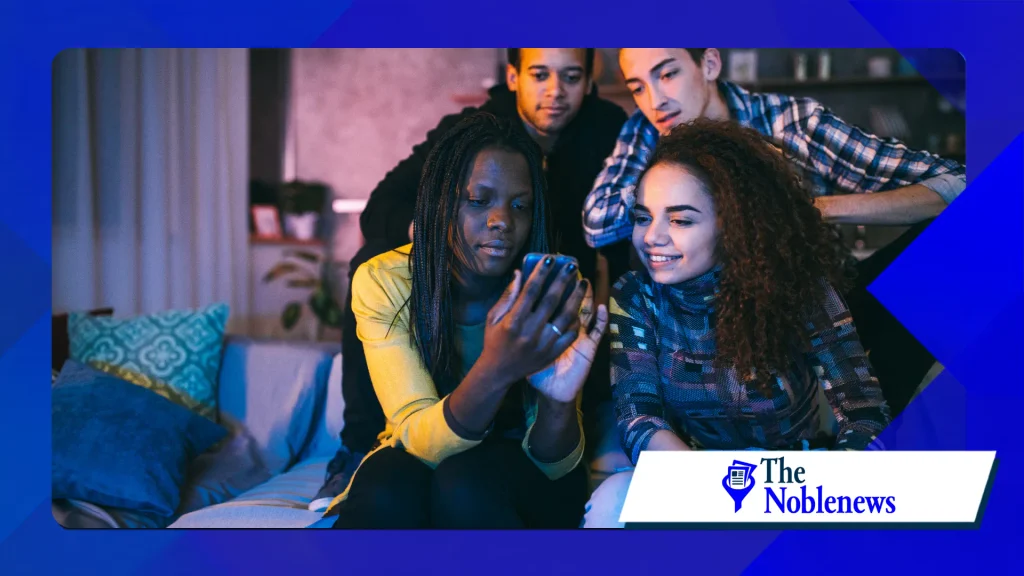
Quali sono i fattori che spingono ad abbandonare le tradizionali campagne elettorali ad alto budget?
I team di marketing spesso faticano a giustificare l'abbandono di processi produttivi con budget elevati.
Anni di formazione in agenzia hanno stabilito che la sicurezza del marchio e le linee guida visive dovrebbero essere alla base di ogni post pubblico.
Per saperne di più: Perché l'umorismo assurdo dei meme domina la cultura di internet oggi
Tuttavia, i dati mostrano costantemente rendimenti decrescenti per un'eccessiva enfasi sullo stile visivo nei canali digitali organici.
L'allocazione delle risorse gioca un ruolo fondamentale in questo cambiamento operativo. La produzione di un singolo video promozionale di alta qualità richiede ingenti risorse finanziarie e numerose ore di lavoro di progettazione.
Al contrario, un singolo stratega dotato di una buona conoscenza dello slang attuale può produrre decine di post contestualizzati e altamente pertinenti in un solo pomeriggio.
Minore rischio di capitale: Testare la messaggistica tramite semplici formati di immagine non comporta praticamente alcun costo nella produzione di risorse.
Tasso di sperimentazione più elevato: I marchi possono lanciare dieci idee a basso costo per vedere quale concetto riscuote maggiore successo a livello culturale.
Creazione democratizzata: La strategia si basa su un umorismo dinamico e una spiccata consapevolezza culturale, piuttosto che sulla padronanza di software complessi.
Cicli di feedback immediato: Gli strumenti di analisi mostrano le prestazioni in tempo reale in pochi minuti, consentendo cambiamenti strategici immediati.
I marchi che cercano di cogliere questa dinamica devono evitare di pensare troppo all'esecuzione.
I tentativi aziendali di imitare un'estetica a basso impegno spesso falliscono quando le catene di approvazione eliminano dal post la sua grinta o spontaneità. Il valore intrinseco del contenuto risiede nella sua immediatezza e nella sua natura non filtrata.
++ Perché la ricerca sulle microplastiche sta cambiando la scienza ambientale
Come possono i brand implementare contenuti non elaborati senza compromettere la propria reputazione?
L'integrazione di risorse visive a bassa fedeltà in una struttura mediatica aziendale consolidata richiede confini strategici ben definiti.
Abbassare il livello visivo di base non significa rinunciare all'intento strategico o agli standard di tono.
L'obiettivo consiste nell'eliminare gli ostacoli produttivi non necessari, mantenendo al contempo la totale coerenza con il posizionamento principale del marchio.
Iniziate identificando le battute interne più efficaci o i punti critici operativi comuni nel vostro specifico settore.
Le aziende di software B2B, ad esempio, riscontrano spesso un elevato coinvolgimento trasformando le frustrazioni derivanti da flussi di lavoro complessi in screenshot di note di testo semplice o in immagini di base a due pannelli.
Sii rispettoso dell'intelligenza del tuo pubblico. Evita di adottare gergo giovanile o riferimenti culturali forzati che contrastino con la voce del tuo brand.
Il formato visivo può essere semplice, ma l'intuizione osservativa sottostante deve essere acuta e precisa.
Per le strategie di contenuto a lungo termine, studia approfondimenti dettagliati sul comportamento dei consumatori provenienti da istituzioni consolidate come Rivista di economia di Harvard, per comprendere come funziona il valore del marchio quando gli schemi di marketing tradizionali vengono abbandonati a favore della comunicazione diretta.

Domande frequenti
Cosa rende un meme creato con poco impegno davvero efficace?
Le prestazioni elevate dipendono interamente dall'accuratezza dell'intuizione osservativa, piuttosto che dal design visivo.
Se la battuta o la situazione di fondo rispecchia fedelmente un'esperienza umana condivisa, il formato visivo funge semplicemente da veicolo di comunicazione leggero.
I marchi di lusso o le grandi aziende possono utilizzare formati meme a bassa fedeltà?
Sì, a condizione che il contenuto rifletta autentiche osservazioni del settore piuttosto che tendenze imposte dall'alto.
I fornitori di software aziendali e di servizi premium spesso utilizzano meme minimalisti basati su testo per ironizzare sulle frustrazioni universali del mondo del lavoro, umanizzando così la propria immagine aziendale.
L'utilizzo di contenuti di bassa qualità danneggia la percezione del marchio?
Il danno si verifica solo quando il contenuto appare insincero, insensibile o disperatamente alla ricerca di attenzione.
Se realizzati con una reale comprensione culturale, gli elementi grafici low-fi migliorano la percezione del marchio dimostrando consapevolezza di sé, umorismo e adattabilità.
Come si misura il ROI delle strategie di contenuti casual?
Monitora le metriche di distribuzione sui social media meno evidenti, come le condivisioni tramite messaggi diretti, i salvataggi e le menzioni spontanee del marchio, anziché i tradizionali conteggi delle impressioni.
Un elevato rapporto tra quota di mercato e impressioni indica un forte legame con il pubblico e una solida memorizzazione del marchio.
++ Rivoluzionare la pubblicità: le ragioni a favore di annunci pubblicitari brutti ma efficaci.
++ Perché i contenuti informali hanno più successo dei post troppo patinati a Jacksonville
\