
Sfide di fitness che ti aiutano davvero a raggiungere i tuoi obiettivi
Annunci
Sfide di fitness che aiutano davvero Non cercano di attirare l'attenzione a tutti i costi né promettono trasformazioni immediate. Operano in silenzio, quasi ostinatamente, ottenendo risultati attraverso la struttura, la ripetizione e una sorta di disciplina che non dipende dalla motivazione.
C'è una sottile differenza tra una sfida che entusiasma e una che funziona davvero, e la maggior parte delle persone se ne rende conto solo dopo aver fallito un paio di volte.
Questa guida va oltre le apparenze. Capirai perché certe sfide reggono alla pressione della vita reale, come sceglierne una adatta alla tua fisiologia e quali formati continuano a dare risultati nel 2026.

Qual è una sfida di fitness che funziona davvero?
In sostanza, una sfida efficace rispetta i ritmi del corpo. Non affretta l'adattamento né confonde la stanchezza con il progresso.
C'è un aspetto che spesso viene frainteso: il miglioramento raramente appare repentino. È graduale, a volte quasi impercettibile, finché all'improvviso non lo è più.
Una sfida ben progettata crea tensione gradualmente, aumentando il carico, affinando i movimenti e rafforzando le abitudini. Risulta gestibile, persino un po' ripetitiva, ed è proprio per questo che funziona.
Perché la maggior parte delle sfide di fitness falliscono?
La maggior parte delle sfide fallisce perché sono pensate per attirare l'attenzione, non per essere portate a termine. Sulla carta sembrano impressionanti, ma crollano sotto il peso della routine quotidiana, degli orari di lavoro e delle giornate imprevedibili.
Esiste anche un pregiudizio culturale a favore dell'intensità. A un certo punto, la lotta è diventata sinonimo di efficacia, il che non è solo fuorviante, ma anche controproducente.
E poi arriva il crollo. Nessuna strategia di uscita, nessuna fase di transizione. La sfida finisce, e con essa anche il comportamento, come un interruttore spento da un giorno all'altro.
Come definisce la scienza i progressi efficaci nel fitness?
La scienza, pur nella sua precisione, indica qualcosa di sorprendentemente semplice: la costanza, se protratta nel tempo, è più importante dell'intensità.
Il sovraccarico progressivo rimane il pilastro fondamentale: aumentare gradualmente la domanda, consentendo al contempo al processo di ripresa di svolgere il suo lavoro essenziale e silenzioso dietro le quinte.
Ciò che è cambiato non è il principio, ma il modo in cui le persone lo applicano. Più dati, più tracciamento, ma le regole biologiche rimangono le stesse.
Quali sfide di fitness offrono risultati concreti nel 2026?
Le tendenze sono cambiate. C'è meno ossessione per l'estetica e più attenzione alla funzionalità, alla durata e ai livelli di energia.
Le sfide che resistono nel tempo sono quelle che si integrano nella vita anziché sconvolgerla. Non richiedono un cambiamento radicale, ma costanza.
Questo cambiamento riflette una consapevolezza più ampia: le persone non si limitano più a inseguire i risultati, ma cercano anche di mantenerli.
Che cosa sono le sfide di fitness basate sulle abitudini?
Le sfide basate sulle abitudini sono ingannevolmente semplici. Cammina di più. Muoviti ogni giorno. Sii costante. Sembra quasi banale, ed è proprio per questo che molti la sottovalutano.
Ma la ripetizione costruisce l'identità. Raggiungere 8.000 o 10.000 passi al giorno non solo migliora la salute cardiovascolare, ma rimodella anche il modo in cui una persona vede se stessa: come una persona che si muove. Questo cambiamento di identità tende a durare ben oltre la sfida stessa.
Linee guida di organizzazioni come la Collegio americano di medicina sportiva Continuo a sottolineare questo equilibrio.
Come funzionano le sfide di progressione della forza?
Le sfide di forza sono più strutturate, quasi metodiche nel loro approccio. Non si procede a tentoni, ma si monitora. Si aggiunge peso, si aumentano le ripetizioni, si regola il volume. Ogni sessione si basa sulla precedente, come impilare mattoni.
C'è una certa soddisfazione in questa chiarezza. I numeri non mentono e i progressi diventano tangibili in un modo che pochi altri formati possono eguagliare. Tuttavia, ci vuole pazienza. La forza non è un'esplosione improvvisa, ma si accumula.
++ Gli esercizi per gli addominali più efficaci che puoi fare a casa
Cosa rende preziose le sfide legate alla mobilità e al recupero?
Spesso la mobilità viene messa in secondo piano, considerata facoltativa o secondaria. Questo è un errore.
La salute delle articolazioni, l'ampiezza di movimento e la capacità di recupero determinano silenziosamente fino a che punto puoi arrivare in qualsiasi altro ambito. Ignorali, e prima o poi qualcosa cederà.
Brevi sessioni quotidiane – dieci, forse quindici minuti – possono ripristinare la qualità del movimento in modi che sembrano quasi sproporzionati rispetto allo sforzo. Non è appariscente, ma è fondamentale.
Quando è consigliabile scegliere una sfida basata sull'attività cardio?
Le sfide cardio tendono ad attrarre coloro che cercano uno sforzo visibile: sudore, affanno, quella sensazione immediata di fare qualcosa.
Ma l'efficacia dipende dalla struttura. Senza progressione, si trasforma rapidamente in ripetizione senza scopo.
Un aumento graduale della durata o dell'intensità, combinato con intervalli, tende a fornire risultati di gran lunga migliori rispetto a routine statiche.
I dati sanitari del CDC continuano a confermare questa tesi: un'attività aerobica costante riduce in modo misurabile il rischio di malattie a lungo termine.

Tabella: Confronto tra le tipologie di sfide di fitness più efficaci
| Tipo di sfida | Obiettivo primario | Durata | Il migliore per | Vantaggio chiave |
|---|---|---|---|---|
| Basato sulle abitudini | Coerenza | 21–60 giorni | Principianti, persone impegnate | Aderenza a lungo termine |
| Progressione della forza | Muscoli e prestazioni | 4-8 settimane | Tirocinanti di livello intermedio | Aumenti di forza misurabili |
| Progressione cardiovascolare | Resistenza e salute del cuore | 4-12 settimane | Popolazione generale | Miglioramento dell'efficienza cardiovascolare |
| Mobilità e recupero | Flessibilità e resilienza | In corso | Tutti i livelli | Prevenzione degli infortuni e longevità |
Come scegliere la sfida giusta per i propri obiettivi?
La chiarezza è più importante della motivazione. Se l'obiettivo è la perdita di grasso, la costanza e l'equilibrio energetico contano più dei picchi di intensità. Per la forza, la progressione diventa imprescindibile.
Per saperne di più: Come restare motivati a fare esercizio fisico con costanza
C'è anche un aspetto personale: le preferenze. Una sfida che non ti piace raramente resiste oltre la seconda settimana, a prescindere da quanto efficace possa sembrare sulla carta.
Scegliere bene spesso significa scegliere in modo realistico.
Perché la personalizzazione è più importante che mai nel 2026?
I dispositivi indossabili hanno cambiato le regole del gioco. Variabilità della frequenza cardiaca, monitoraggio del sonno, punteggi di recupero: parametri che un tempo erano appannaggio degli atleti d'élite sono ora disponibili a chiunque possieda uno smartwatch.
Questo non rende l'addestramento più facile, ma lo rende più intelligente. Gli aggiustamenti diventano informati anziché reattivi.
In tal senso, Sfide di fitness che aiutano davvero sono diventati meno incentrati sul seguire le regole e più sul rispondere ai feedback.
Quali sono gli errori più comuni da evitare?
L'ambizione può compromettere la costanza. Scegliere una sfida che richiede troppo, troppo presto, di solito porta allo stesso risultato: giorni persi, frustrazione, abbandono.
++ Le migliori app per prendere appunti, per stimolare la creatività e la produttività.
Trascurare il recupero è un'altra trappola silenziosa. I progressi si verificano tra una sessione e l'altra, non durante, e ignorare questo aspetto rallenta tutto.
C'è anche un'eccessiva dipendenza dalla motivazione. Questa svanisce rapidamente. I sistemi, invece, no.
Quanto dovrebbe durare una sfida di fitness?
La durata conta, ma non nel modo in cui molti si aspettano. Le sfide brevi creano slancio. Quelle più lunghe favoriscono l'adattamento.
Un periodo compreso tra le quattro e le otto settimane rappresenta generalmente un buon equilibrio: sufficientemente lungo per notare dei cambiamenti, ma abbastanza breve da mantenere alta la motivazione.
Oltre a ciò, la questione cambia. Non si tratta più di portare a termine una sfida, ma di sostenere ciò che essa ha iniziato.
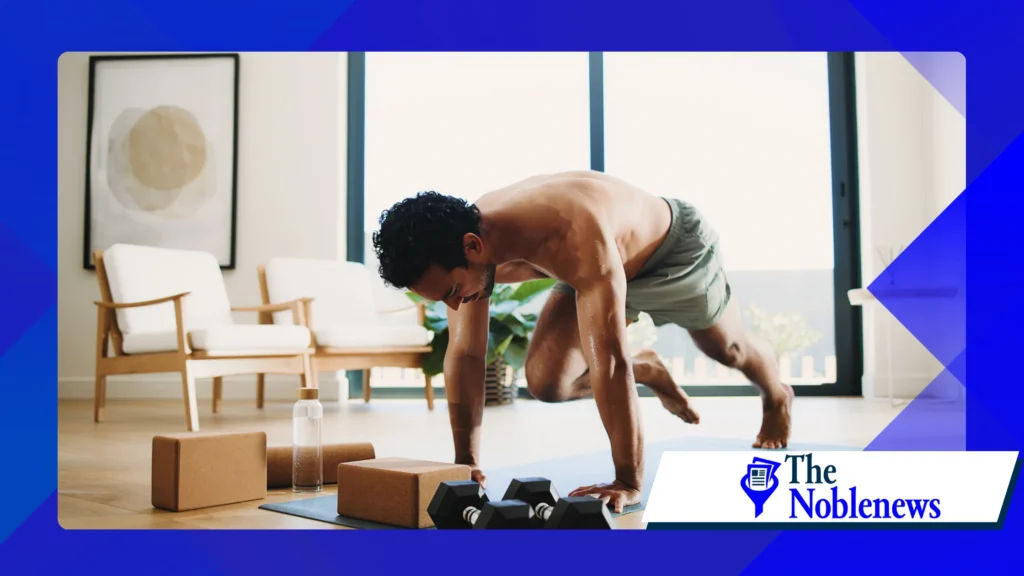
Come misurare il successo oltre la bilancia? Sfide di fitness che aiutano davvero
Il peso è facile da monitorare, ed è per questo che spesso viene sopravvalutato.
Ma i progressi si manifestano anche altrove: i valori di forza aumentano gradualmente, il recupero migliora e il consumo energetico giornaliero si stabilizza.
C'è anche un livello meno tangibile: la fiducia, la costanza, la tacita consapevolezza che lo sforzo non è più oggetto di negoziazione. Questi indicatori tendono ad essere più affidabili, anche se più difficili da quantificare.
Conclusione: ottenere risultati duraturi
Il progresso sostenibile raramente appare estremo. Si costruisce attraverso la ripetizione, l'adattamento e la volontà di perseverare nel processo anche quando i risultati non sono immediatamente visibili.
Le sfide più efficaci non sconvolgono la vita, bensì si integrano in essa, diventando parte di un ritmo anziché un'eccezione.
Per una guida più ampia sull'attività fisica e sulla salute a lungo termine, Organizzazione mondiale della sanità offre raccomandazioni aggiornate.
FAQ: Domande frequenti
Qual è la migliore sfida di fitness per principianti?
Le sfide basate sulle abitudini tendono a funzionare meglio, soprattutto quelle incentrate sul movimento quotidiano o su brevi allenamenti. Creano costanza senza sovraccaricare il corpo o la routine.
Con quale frequenza dovrei partecipare a una sfida di fitness?
Alcuni cicli strutturati all'anno possono essere efficaci, soprattutto se seguiti da fasi di mantenimento che consolidano le abitudini anziché azzerare i progressi compiuti.
Le sfide di fitness possono sostituire un allenamento regolare?
Possono integrarla, ma i risultati a lungo termine dipendono da ciò che accade dopo la fine della sfida, non solo durante essa.
Le sfide di 30 giorni sono efficaci?
Possono esserlo, soprattutto per la formazione di abitudini. I risultati dipendono meno dalla durata e più da quanto la sfida sia realistica e strutturata.
Ho bisogno di attrezzatura per affrontare le sfide in modo efficace?
Non necessariamente. Molti programmi di allenamento efficaci si basano sul peso corporeo, sulla camminata o su esercizi di mobilità, il che li rende accessibili e più facili da mantenere nel tempo.
++ 17 sfide per l'esercizio fisico e il benessere nel 2026
++ 20 idee per sfide di fitness vincenti nel 2026
\