
Why film noir revival inspires contemporary filmmakers
Annunci
A modern film noir revival continues to reshape contemporary cinema because today’s directors find themselves confronting cultural anxieties, moral ambiguity, and economic tensions that mirror the post-World War II era that birthed classic film noir.
Originally forged in the shadows of the 1940s and 1950s, noir was defined by its stark high-contrast lighting, cynical antiheroes, fatalistic plots, and corrosive skepticism toward traditional institutions.
Today, a new generation of directors—from indie visionaries to blockbuster auteurs—is actively reimagining these classic tropes.
By translating mid-century neon and rain-slicked pavement into futuristic cyber-dystopias, gritty suburban mystery stories, and psychological streaming thrillers, contemporary creators use noir’s timeless visual and thematic architecture to explore modern disillusionment.
Understanding why this aesthetic remains so vibrant requires looking beyond mere stylistic nostalgia.
Modern directors leverage noir to dismantle clean narrative formulas, interrogate modern power structures, and ground surreal atmospheric tension in deeply human struggles.
Punti chiave
- Reflecting Modern Disillusionment: Modern noir adaptations give directors a tailored cinematic vocabulary to explore economic inequality, institutional distrust, and digital isolation.
- Evolution of Visual Stylistics: Contemporary filmmakers substitute traditional black-and-white shadows with vivid neon palettes, anamorphic lens flares, and digital atmospheric effects while retaining classic low-key lighting dynamics.
- Subverting Genre Tropes: Today’s noir narratives rework outdated tropes—transforming the static “femme fatale” and hardboiled detective into nuanced, psychologically complex characters.
- Cross-Genre Hybridization: The resurgence spans diverse genres, enriching sci-fi, horror, superhero narratives, and intimate psychological dramas with noir sensibilities.
The Cultural Parallel: Why Noir Resonates Today
Film noir originally emerged as a response to deep-seated cultural unease. In post-WWII America, returning veterans faced societal alienation, changing gender dynamics, and early Cold War paranoia.
Hollywood directors—many of them European emigrés influenced by German Expressionism—translated this collective anxiety onto the screen using disorienting camera angles, deep shadows, and fatalistic storylines.
Contemporary society faces a surprisingly similar psychological climate.
Widespread institutional skepticism, climate anxiety, economic instability, and the alienating nature of hyper-connected technology create a culture ripe for noir storytelling.
Modern directors do not simply copy classic plots; they tap into an identical emotional frequency.
When a contemporary protagonist navigates a labyrinthine corporate conspiracy or an opaque surveillance network, the narrative mirrors the existential claustrophobia felt by mid-century noir characters caught in urban machines.
By leaning into a film noir revival, filmmakers gain immediate access to a artistic language designed specifically to articulate doubt, mistrust, and the search for truth in an untrustworthy world.
Visual Evolution: From Chiaroscuro Shadows to Digital Neon
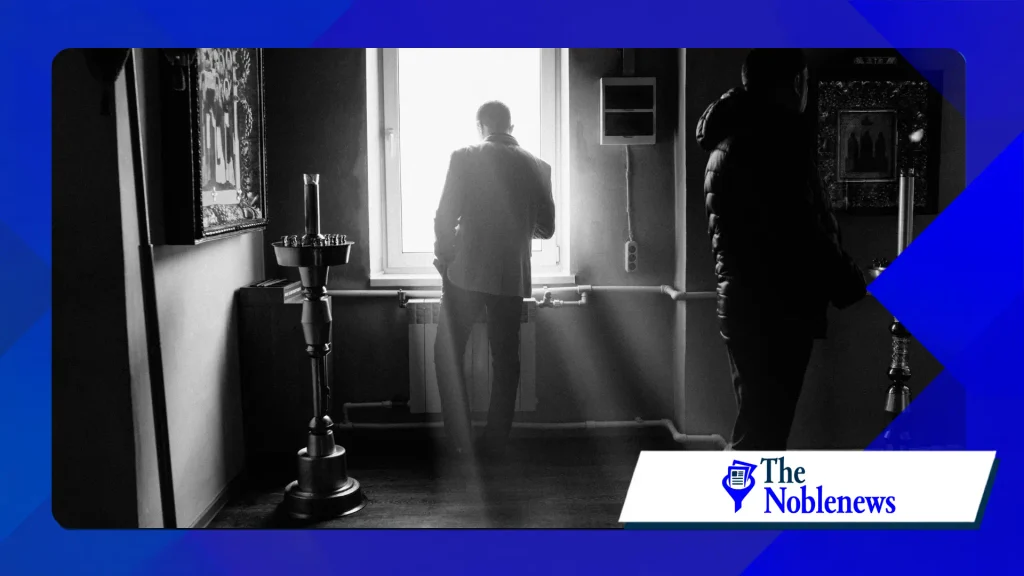
The classic film noir aesthetic relied heavily on high-contrast black-and-white cinematography (chiaroscuro), low-key lighting, slit shadows from Venetian blinds, and wet urban streets reflecting streetlight glares.
Contemporary directors have expanded this visual language using modern camera technology, color theory, and digital post-processing.
Neo-noir and contemporary noir revivals rarely restrict themselves to black-and-white photography, though notable exceptions exist.
++ Le citazioni cinematografiche più memorabili di tutti i tempi
Instead, modern directors utilize saturated color palettes—particularly high-contrast neon blues, deep magentas, and amber streetlights—to build mood.
Modern Lighting and Color Dynamics
Contemporary filmmakers use practical LED panels and modern sensor sensitivity to create atmospheric dark frames without losing shadow detail.
Rather than hiding characters in complete darkness, digital noir places them in vast, empty spaces dominated by artificial light sources.
Camera Movement and Framing
While classic noir relied on static, disorienting dutch angles to convey psychological instability, modern noir directors favor slow, deliberate tracking shots, extreme close-ups, and wide environmental framing.
This approach emphasizes how isolated the protagonist is within a sprawling visual landscape.
Atmospheric Texture
Rain, fog, smoke, and reflective surfaces remain essential.
Per saperne di più: Come le versioni del regista cambiano l'eredità dei film classici
Contemporary digital effects allow directors to precisely control atmospheric texture, creating an immersive, oppressive mood that mirrors the internal conflict of the characters.
Deconstructing Tropes: Modernizing the Archetypes
Classic noir was built around distinct archetypes: the cynical hardboiled private investigator, the dangerous femme fatale, the corrupt lawman, and the doomed fall guy.
While these archetypes laid the foundation for suspense storytelling, many reflected the rigid gender roles and social attitudes of mid-century America.
A primary reason the film noir revival thrives today is that contemporary filmmakers actively subvert these archetypes, making them relevant to modern audiences.
The Evolved Detective
The modern investigator is rarely a trench-coat-wearing private eye operating out of a dusty office.
Today’s noir protagonist might be a burnt-out investigative journalist, a weary data analyst, a grieving parent, or an underground hacker.
++ Perché le progressioni di forza a corpo libero rimangono altamente efficaci
What remains unchanged is their stubborn obsession with uncovering a truth that ultimately undoes their own peace of mind.
Redefining the Femme Fatale
Contemporary cinema has dismantled the outdated trope of the woman whose primary purpose is leading a male protagonist to ruin.
In modern noir narratives, female characters are afforded full agency, complex motivations, and distinct narrative arcs.
They are frequently the central protagonists driving the narrative, fighting against systemic structures rather than serving merely as catalysts for male fatalism.

Complex Moral Ambiguity
In classic noir, the line between good and bad was blurred, but moral boundaries still existed. Contemporary revivals deepen this ambiguity.
Good intentions frequently yield catastrophic results, and protagonists must make ethical compromises simply to survive, reflecting a complex world where solutions are rarely black or white.
Comparing Classic Noir, Neo-Noir, and Contemporary Noir
To understand how the genre has evolved across decades, it helps to analyze the structural, thematic, and stylistic shifts between distinct eras of noir cinema.
| Genre Era | Time Period | Key Visual Characteristics | Core Themes & Protagonists | Narrative & Pacing |
| Classic Noir | 1940s–1950s | High-contrast black-and-white, low-key lighting, steep shadows, urban nightscapes. | Post-war disillusionment, fatalism, hardboiled detectives, dangerous archetypes. | Linear or flashback-driven, voiceover narration, tight three-act structures. |
| Neo-Noir | 1960s–1990s | Introduction of vivid color, widescreen framing, realistic location shooting. | Institutional corruption, psychological decay, moral collapse, anti-establishment views. | Methodical pacing, subversion of Hays Code restrictions, explicit tension. |
| Contemporary Noir Revival | 2000s–Present | Digital low-light capture, neon-infused palettes, stylistic genre hybridization. | Technological alienation, corporate dominance, climate anxiety, identity crises. | Non-linear storytelling, immersive audio design, complex multi-layered plots. |
This evolution shows that while visual technologies and narrative structures shift over time, the core impulse of noir—interrogating societal tension through psychological drama—remains intact.
Practical Guidance for Analyzing and Experiencing Noir Revivals
For cinephiles, screenwriters, and casual viewers looking to appreciate or analyze contemporary noir storytelling, identifying specific narrative mechanics provides deeper insight into the craft.
Key Elements to Watch For
Environmental Storytelling: Pay attention to how the setting acts as a character. In modern noir, the city, suburban development, or digital space reflects the internal psychological state of the protagonist.
Lighting as Narrative: Watch how light separates characters from their surroundings. Notice whether a character moves into light or retreats into shadow during critical decisions.
The Unreliable Perspective: Look for how directors use subjective camera angles, internal monologues, or visual hallucination to force the audience into the protagonist’s compromised worldview.
Institutional vs. Personal Scale: Track the conflict scale. True noir usually pairs a massive, unfeeling institutional force against a small, vulnerable individual.
Common Storytelling Pitfalls Modern Filmmakers Avoid
Filmmakers who successfully revitalize noir avoid simple pastiche. The most common pitfall in lower-quality homage is prioritizing visual style—such as fedoras, trench coats, and constant rain—over genuine thematic depth.
The film noir revival succeeds only when the moody atmosphere serves an authentic story about human vulnerability and societal failure.
Cross-Genre Hybridization: Where Noir Lives Today
One of the strongest drivers of the contemporary film noir revival is its adaptability.
Modern directors rarely make pure, historical noir films. Instead, they seamlessly blend noir tropes with other cinema genres, expanding the aesthetic into new creative territories.
Science Fiction Noir
Sci-fi and noir have shared a deep bond since classic cyberpunk narratives took root.
Futuristic settings allow directors to examine how advanced technology, artificial intelligence, and corporate monopolies intensify human isolation.
The neon-drenched dystopia provides an ideal canvas for noir’s fatalistic questions about identity and human worth.
Horror and Psychological Thrillers
Noir’s reliance on dread, shadows, and paranoia makes it a natural fit for psychological horror.
Filmmakers frequently use noir lighting and moody sound design to build slow-burn tension, replacing traditional jump scares with an escalating sense of inevitability.
Superhero and Prestige Drama
Even large-scale studio blockbusters embrace noir influences.
Directors framing comic book adaptations or prestige crime sagas often utilize low-key lighting, investigative plot structures, and morally conflicted antiheroes to ground fantastical premises in tangible, serious reality.
The Future of Noir Storytelling
The ongoing film noir revival shows no signs of slowing down because the underlying conditions that feed it—social anxiety, rapid technological change, and institutional uncertainty—remain central to the human experience.
As digital filmmaking tools become more accessible, indie directors and established auteurs alike will continue to push the boundaries of what dark storytelling can look like.
By continually adapting its visual grammar and updating its thematic focus, noir remains one of cinema’s most durable artistic frameworks.
It offers filmmakers a proven structure for exploring the shadowy spaces between right and wrong, reminding audiences that no matter how advanced society becomes, human nature remains intensely complex.
Domande frequenti
What is the primary difference between classic noir and modern film noir?
Classic noir was produced primarily in black-and-white during the 1940s and 1950s, heavily shaped by post-WWII anxieties and strict studio censorship rules.
Modern film noir (or neo-noir) uses advanced digital cinematography, color palettes such as neon and low-light palettes, explicit thematic freedom, and updated character archetypes that reflect modern societal issues like digital surveillance and economic isolation.
Why do contemporary directors prefer using neon lighting in modern noir?
Neon lighting offers a high-contrast color equivalent to classic black-and-white chiaroscuro.
It creates striking visual juxtaposition—bright, artificial illumination cutting through dense urban darkness—which visually represents isolation, commercialization, and moral disorientation in a modern environment.
Can a movie be considered film noir if it takes place in daylight or the countryside?
Yes. Known as “sunshine noir” or “rural noir,” these films swap dark city alleyways for bright, stark daylight or isolated rural landscapes.
They retain the essential narrative elements of traditional noir—moral ambiguity, fatalism, corrupt power dynamics, and compromised protagonists—proving that noir is defined by tone, psychology, and theme rather than nighttime settings alone.
++ Film Noir to Neo-Noir: A Dark Makeover of Crime-Thrillers
++ The Dark Themes Of Film Noir, And Why They Matter Today
\