
Perché l'estetica degli anime retrò domina la cultura pop moderna
Annunci
Scorrendo oggi i principali social network, le piattaforme musicali o i cataloghi di moda, lo noterete immediatamente.
Il fascino caldo e leggermente granuloso di estetica anime retrò ha completamente dirottato la cultura visiva moderna.
I marchi globali di streetwear tappezzano le collezioni di punta con design di mecha vintage, mentre i musicisti utilizzano clip in stile cel-shading degli anni '90 per dare un punto di riferimento visivo ai loro brani.
I grafici stanno abbandonando sempre più i rendering 3D ultra-lucidi a favore di imperfezioni tipiche del disegno a mano libera.
Questa ribellione visiva non è una moda passeggera di internet. Il pubblico desidera il calore dell'analogico in un panorama sempre più sterile e digitalmente perfetto.
L'intelligenza artificiale generativa e la computer grafica impeccabile dominano i media mainstream, facendo sì che il tocco umano dell'animazione giapponese di fine XX secolo risulti profondamente pregiato e autentico.
Punti chiave
- Il calore analogico e le imperfezioni tipiche del cel-shading alimentano una ribellione visiva contro la grafica digitale sterile.
- La cultura musicale lo-fi e la rinascita del City Pop giapponese degli anni '80 fungono da principali veicoli di diffusione per questo stile vintage.
- Le case di moda globali monetizzano attivamente il look ispirato agli anime degli anni '90 attraverso collaborazioni di alto profilo che vanno a ruba.
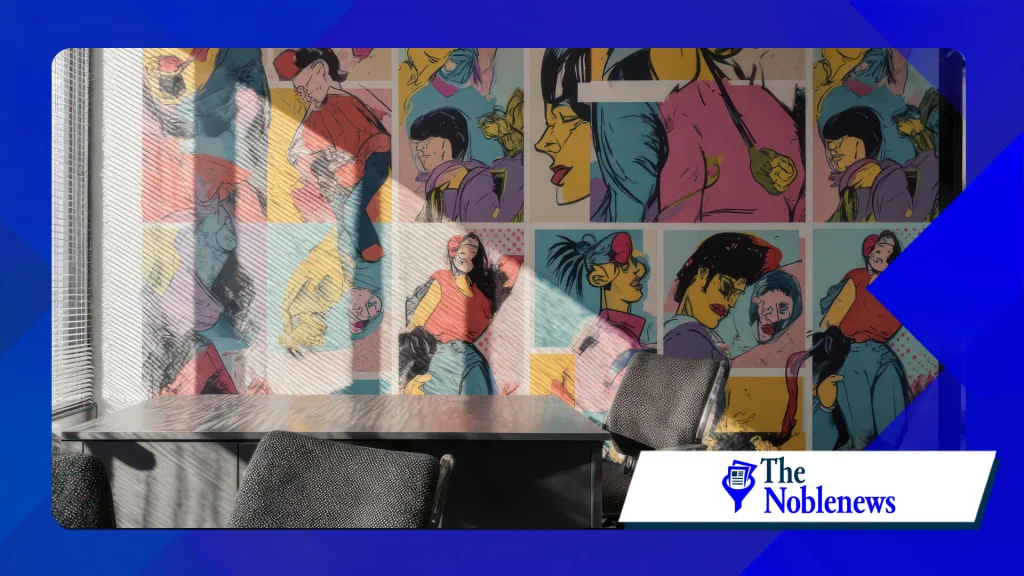
Che cos'è esattamente l'estetica degli anime retrò?
L'estetica degli anime vintage si riferisce allo specifico linguaggio visivo dell'animazione giapponese prodotta principalmente tra la fine degli anni '70 e la fine degli anni '90.
Durante quest'epoca, gli studi di animazione si affidavano alla tradizionale tecnica del cel. Gli artisti dipingevano a mano i personaggi su fogli di celluloide trasparente e li fotografavano su sfondi dettagliati, anch'essi dipinti a mano con acquerelli.
Questo processo analogico ha creato una texture fisica distintiva. I colori apparivano leggermente attenuati a causa degli strati fisici di celluloide e del supporto di pellicola utilizzato per la ripresa.
Le tecniche di illuminazione soffusa, come il famoso effetto "luce incidente" utilizzato negli OVA (Original Video Animation) di fantascienza degli anni '80, conferivano alle insegne al neon e ai raggi laser un bagliore sfocato e onirico.
Le interpretazioni moderne di questo stile ricreano deliberatamente questi vincoli storici.
Gli artisti digitali aggiungono grana artificiale, aberrazione cromatica e una leggera sbavatura di colore per imitare l'aspetto di una vecchia videocassetta VHS riprodotta su un televisore CRT.
Perché l'estetica degli anime degli anni '90 risuona così profondamente oggi?
L'affaticamento visivo è alla base di gran parte di questo cambiamento culturale. I media ad alta definizione e iperrealistici richiedono un coinvolgimento sensoriale costante.
Al contrario, l'estetica degli anime retrò offre un riposo visivo. Le palette di colori tenui e la frequenza dei fotogrammi più lenta infondono intrinsecamente calma allo spettatore, offrendo un rifugio digitale.
++ La crescita degli editori di fumetti indipendenti al di là dei fumetti di supereroi.
La nostalgia gioca un ruolo meccanico in questa adozione. I millennial e i creatori più anziani della generazione Z sono cresciuti guardando Sailor Moon, Cowboy Bebop, E Neon Genesis Evangelion nei blocchi televisivi pomeridiani.
Man mano che queste generazioni assumevano ruoli di direttori creativi in diversi settori a livello globale, portavano con sé le influenze visive che le avevano plasmate fin dalle origini.
I paesaggi sonori hanno accentuato questo predominio visivo.
L'enorme esplosione di flussi hip hop lo-fi ha legato indissolubilmente ritmi rilassanti ad animazioni in loop di personaggi anime studiosi. Gli analisti culturali di istituzioni come National Public Radio, Radio Pubblica
hanno ampiamente documentato come questo specifico abbinamento audiovisivo abbia creato una nuova sottocultura incentrata interamente su un'evasione analogica e confortevole.
In che modo questa estetica influenza la moda e i media moderni?
L'alta moda e lo streetwear hanno integrato completamente l'animazione giapponese vintage nel loro linguaggio di design principale.
Le case di lusso non considerano più la cultura geek come una nicchia di mercato.
Le imponenti collaborazioni di Loewe con lo Studio Ghibli hanno dimostrato che i consumatori sono disposti a pagare prezzi elevati per capi d'abbigliamento realizzati con cura meticolosa e decorati con illustrazioni di personaggi in stile anni '90.
I video musicali emulano regolarmente l'iconico formato 4:3 e la colorazione cel-shaded dei vecchi OVA.
I principali artisti pop occidentali commissionano agli studi di animazione la ricreazione dell'atmosfera grintosa e cyberpunk di Akira o il romanticismo dai toni pastello dei manga shoujo degli anni '80 per i loro visualizzatori.
Leggi qui: Come il revival dei tokusatsu sta raggiungendo nuovamente il pubblico globale
L'estetica domina anche lo sviluppo di videogiochi indipendenti. I creatori commercializzano esplicitamente i loro giochi utilizzando tag grafici come "era PS1" o "anime anni '90".
Questi sviluppatori rifiutano il fotorealismo, optando invece per modelli low-poly abbinati a ritratti dei personaggi disegnati a mano in stile anime.
Quali elementi distinguono gli stili anime retrò dall'animazione moderna?
Comprendere le differenze tecniche aiuta a chiarire perché l'aspetto vintage risulti così diverso dalle trasmissioni attuali.
| Caratteristica | Anime retrò (anni '80/'90) | Anime moderni (post-anni 2000) |
| Colorazione | Cellule dipinte a mano, tavolozze dai colori tenui, pigmenti fisici | Colorazione digitale, alta saturazione, codici esadecimali precisi |
| Illuminazione | Celluloide retroilluminata, bagliori morbidi aerografati | Composizione digitale complessa, ray tracing, bagliori nitidi |
| Sfondi | Acquerelli dipinti a mano, ad alta densità di dettagli. | Ambienti modellati in 3D, pittura digitale su vetro |
| Struttura | Grana della pellicola, polvere di cellulosa, leggera variazione di colore | Risultato perfettamente pulito, linee vettoriali nitidissime. |
| Inquadratura | Formato 4:3 (formato televisivo standard) | Formato 16:9 (schermo panoramico HD) |
Quali sono i principali elementi visivi dello stile anime vintage?
Se desideri identificare o ricreare questa specifica tendenza visiva, cerca questi elementi fondamentali:
Tramonti dai colori pastello e cieli viola: Un ampio ricorso a una gradazione di colore crepuscolare malinconica e altamente suggestiva.
Sfumature meccaniche complesse: Ombreggiature metalliche estremamente dettagliate su oggetti di uso quotidiano come lettori di cassette, automobili e distributori automatici.
++ Come le ispezioni a distanza tramite realtà virtuale consentono di risparmiare tempo nei cantieri.
Moda oversize: Personaggi che indossano abbigliamento streetwear degli anni '80 e '90 estremamente dettagliato e culturalmente accurato (giacche larghe, scarpe da ginnastica alte).
Artefatti di tracciamento VHS: Anomalie visive intenzionali, linee di scansione e lievi distorsioni dell'immagine.
Design espressivo per gli occhi: Strutture oculari prominenti e ricche di dettagli, con riflessi distinti disegnati a mano.
Dove ci porterà il trend degli anime analogici?
La domanda di arte fisica, creata dall'uomo, non potrà che aumentare con la diffusione capillare dei media sintetici.
I marchi e i creatori che sfruttano efficacemente l'estetica degli anime retrò la utilizzano come scorciatoia per comunicare autenticità.
Analisi di mercato da piattaforme come Grand View Research, continua a mostrare una crescita globale esplosiva nel consumo di anime, consolidando il medium come pilastro della cultura pop mondiale.
È probabile che le future evoluzioni di questa tendenza vadano oltre il mero omaggio visivo. Stiamo già assistendo a creatori che fondono l'estetica cel-shaded degli anni '90 con la moderna realtà aumentata (AR) e le esperienze pop-up fisiche.
Il fascino principale, tuttavia, rimane invariato: offrire al pubblico una finestra, bella e imperfetta, su un passato analogico più semplice.
Domande frequenti
Come si chiama l'estetica anime retrò?
Spesso questo stile viene definito "estetica anime anni '90", "Retro Anime" o associato a sottogeneri specifici come "Vaporwave", "Synthwave" o "stile visivo City Pop".
Non esiste un unico nome ufficiale, poiché abbraccia diversi decenni di storia dell'animazione giapponese.
Come posso dare alla mia arte digitale un aspetto simile agli anime degli anni '90?
Inizia utilizzando una tavolozza di colori leggermente attenuata e ombreggiature dai contorni netti, anziché pennelli digitali morbidi.
Dopo aver terminato il disegno, applica effetti di post-produzione come la grana della pellicola, una leggera sfocatura (per simulare la messa a fuoco della fotocamera) e l'aberrazione cromatica per riprodurre l'aspetto di una pellicola fotografica.
Perché la musica lo-fi viene sempre abbinata alle immagini degli anime?
I primi produttori di musica su internet utilizzavano spezzoni di film d'animazione nostalgici (in particolare i film dello Studio Ghibli) come immagini segnaposto su YouTube.
La natura malinconica e rilassante dell'animazione si sposava perfettamente con il ritmo della musica, stabilendo un legame culturale permanente tra i due mezzi espressivi.
++ L'estetica degli anime degli anni '90: alla scoperta del suo fascino intramontabile!
\