
From Studio to Street: How Photography Became a Democratic Art Form
広告
理解する方法 photography became a democratic art form requires analyzing the exact technological shifts, cultural movements, and software innovations that stripped away the gatekeepers of visual media.
Expensive glass plates, toxic darkroom chemicals, and rigid studio poses once restricted image-making to a wealthy elite.
Today, high-resolution smartphone sensors, computational photography, and instant social distribution allow billions of people to capture, edit, and publish compelling visual stories every single day.
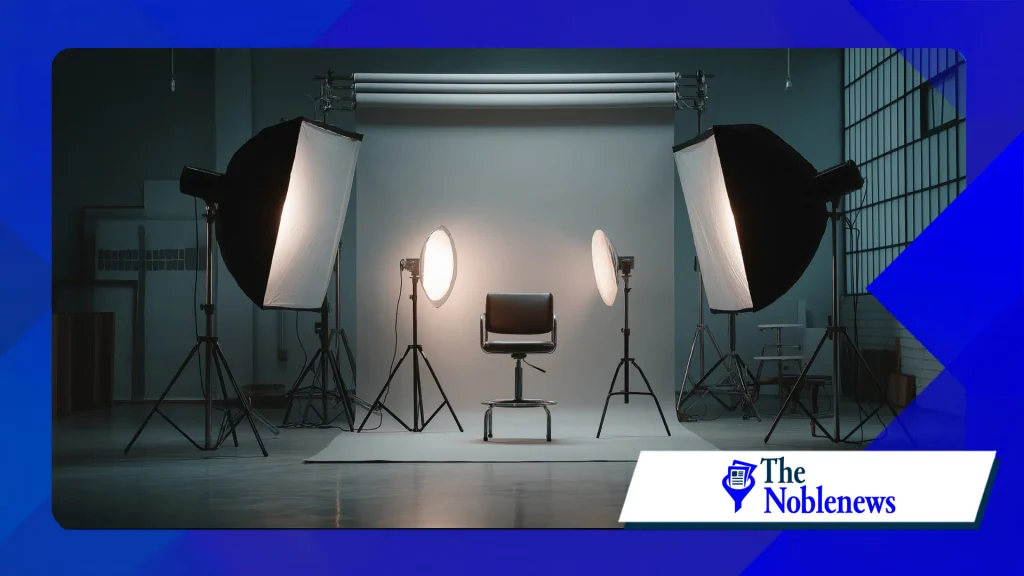
- The Studio Monopolies: How early technical complexity created financial and artistic barriers to entry.
- The Analog Breakthroughs: How portable cameras and roll film pushed photography into public spaces.
- The Digital Shift: How digital sensors and computational photography eliminated physical media costs.
- Modern Creator Culture: How social platforms and AI editing tools turned passive viewers into active visual creators.
How Did Early Technical Barriers Limit Access to Photography?
In the mid-nineteenth century, capturing a single frame demanded significant capital, chemical expertise, and specialized labor.
The daguerreotype process required polished silver-plated copper sheets treated with iodine vapor, followed by development over heated mercury.
Equipment was exceptionally heavy, fragile, and sensitive to environmental changes. A complete field kit often weighed upwards of fifty pounds, making spontaneous street imagery virtually impossible.
Physical limitations enforced strict artistic norms. Long exposure times—often lasting several seconds to several minutes—forced subjects to remain motionless using iron headrests and hidden physical supports.
Because of these steep operational costs, commercial studios controlled visual representation.
Portraiture remained a luxury reserved for affluent families, state officials, and prominent public figures.
The public lacked direct access to the medium. Average citizens could only experience photographically captured moments through curated gallery exhibitions, commissioned family heirlooms, or printed broadsides.

Which Innovations Shifted Photography from Studios to the Street?
The transformation began when inventors streamlined film preparation and light recording.
George Eastman introduced flexible roll film and the original Kodak camera in 1888, replacing bulky glass plates with a simple handheld box.
Eastman’s factory-processed film strategy shifted chemical development away from the end user.
His famous marketing slogan, “You press the button, we do the rest,” established the initial blueprint for mass market accessibility.
“The distribution of portable handheld cameras transferred creative agency from specialized commercial artisans directly into the hands of everyday consumers.”
Thirty-seven years later, Leica revolutionized field mechanics by adapting 35mm cinema stock for compact still cameras.
The Leica I offered fast shutter speeds, sharp optics, and extreme portability, allowing documentarians to work discreetly without studio lights or tripods.
Street photography emerged directly from these ergonomic breakthroughs.
Pioneer artists like Henri Cartier-Bresson captured unposed slices of public life, giving rise to the concept of the “decisive moment”—an aesthetic approach completely disconnected from controlled studio setups.
How Did Digital Sensors and Mobile Hardware Complete the Democratization Process?
While roll film removed spatial restrictions, manufacturing and processing expenses still capped creative output.
Digital technology fundamentally altered this equation by reducing the marginal cost of taking an additional photograph to zero.
The shift accelerated rapidly when mobile device manufacturers integrated high-performance image sensors directly into cellular networks.
According to detailed industry research from the ピュー・リサーチ・センター, smartphone adoption reached overwhelming majority levels across major global economies over the past decade, turning mobile cameras into standard everyday communication tools.
| Era / Technology | Key Equipment | Primary Barrier | 流通チャネル | Accessibility Level |
| Studio Era (1840s–1880s) | Daguerreotype, Wet Collodion | High Cost, Complex Chemistry | Physical Galleries, Albums | Ultra-Restricted (Elite) |
| Analog Street Era (1920s–1980s) | 35mm Film, Compact Rangefinders | Film Stock Costs, Darkroom Access | Print Magazines, Exhibitions | Moderate (Hobbyists/Pros) |
| Early Digital Era (1990s–2000s) | DSLRs, Compact Point-and-Shoots | Memory Card Costs, Hardware Bulk | Personal Computer Drives, Web Portals | High (Mass Market) |
| Mobile & Computational Era (Present) | Multi-Lens Smartphones, AI Processing | Zero Marginal Cost, On-Device AI | Instant Social Networks, Cloud Platforms | Universal (Global Public) |
Modern smartphones combine multi-lens camera arrays with real-time computational pipelines.
Exposure stacking, automated tone mapping, and instant noise reduction resolve technical hurdles that once took years of darkroom training to master.
Why Is Algorithmic Distribution Redefining Visual Storytelling?
Democratization extends far beyond hardware availability; public distribution channels are equally critical.
Historically, photo editors, magazine publishers, and museum curators functioned as exclusive gatekeepers, deciding which visual stories reached public audiences.
Algorithmic feed systems replaced those traditional institutional gatekeepers.
Decentralized sharing platforms allow independent creators to publish visual work instantly to global audiences, bypassing traditional gallery networks entirely.
即時フィードバックループ: Real-time user metrics validate experimental artistic styles without needing traditional critical approval.
Niche Community Building: Specialized aesthetic movements gather dedicated global followings regardless of geographical distance.
Direct Monetization: Independent creators monetize visual assets directly through digital storefronts, licensing portals, and subscriptions.
Diverse Representation: Previously marginalized communities document their own lived experiences without editorial oversight from legacy media outlets.
Contemporary image production emphasizes raw authentic perspectives over hyper-polished studio perfection.
続きを読む: レンズ圧縮効果がポートレート写真に与える影響
Viewers consistently seek out candid, relatable street visual content over artificial commercial setups.
What Role Do Artificial Intelligence and Generative Tools Play Today?
Generative machine learning models and automated editing suites mark the newest evolutionary stage of visual creation.
Semantic segmentation software automatically isolates subjects, adjusts depth-of-field metrics, and optimizes dynamic range in milliseconds.
Critics argue that automated enhancement dilutes technical craftsmanship. However, similar arguments arose when autofocus systems, automatic light metering, and roll film first arrived on the market.
Automated software tools lower technical skill barriers further, allowing creators to focus entirely on composition, timing, and conceptual narrative.
Anyone with a basic smartphone can now realize intricate visual ideas without mastering complex manual settings.
Institutional archives are also digitizing historic collections to expand public access.
その 米国議会図書館 maintains massive public-domain image repositories, giving artists everywhere free historical material to study, remix, and build upon.

よくある質問
What does it mean when someone says photography became a democratic art form?
It means the medium transitioned from an exclusive, expensive practice reserved for trained professionals into an accessible form of expression available to anyone with a basic camera or smartphone.
Did digital cameras lower technical standards in image making?
Digital technology shifted the primary barrier from mechanical operating skill to creative vision and storytelling.
While technical execution is far easier today, creating truly impactful imagery still demands strong composition, lighting awareness, and narrative depth.
How does computational photography differ from traditional camera capture?
Traditional cameras rely entirely on physical optics and sensor light collection.
Computational photography uses software algorithms, machine learning, and multi-frame synthesis to process, sharpen, and balance images automatically in real time.
Can smartphone photos compete with professional DSLR or mirrorless cameras?
For daily street documentary, online publishing, and small-format media, modern smartphones deliver comparable visual quality.
Dedicated cameras still maintain advantages in extreme low-light conditions, deep dynamic range, and specialized telephoto performance.
++ Art History 101: The History and Evolution of Street Photography
++ Democratic States of Photography: An Essay by Kevin Moore
