
A ascensão dos treinos de rucking para além do treinamento militar
Anúncios
Treinos de rucking Transformaram-se de um exercício árduo e básico das forças especiais em uma das tendências de condicionamento físico funcional que mais crescem nos Estados Unidos.
Caminhar com uma mochila carregada melhora a resistência cardiovascular e fortalece os músculos sem o impacto severo nas articulações que a corrida causa.
Para os entusiastas do fitness que procuram queimar calorias e melhorar a postura, adicionar peso a uma simples caminhada oferece uma opção de exercício eficiente e de baixo impacto.
Principais conclusões
- Raízes militares, alcance civil: O rucking desenvolve força funcional ao adicionar mochilas com peso às rotinas de caminhada padrão.
- Baixo impacto, alta queima de calorias: Essa atividade queima significativamente mais calorias do que caminhar, ao mesmo tempo que protege as articulações do impacto.
- Progressão simples: Para começar, você precisa de equipamento mínimo: apenas uma mochila resistente, calçado confortável e peso bem distribuído.
- Saúde cardiovascular e postural: Sessões regulares fortalecem a cadeia posterior, incentivam uma postura ereta e aumentam a capacidade aeróbica.
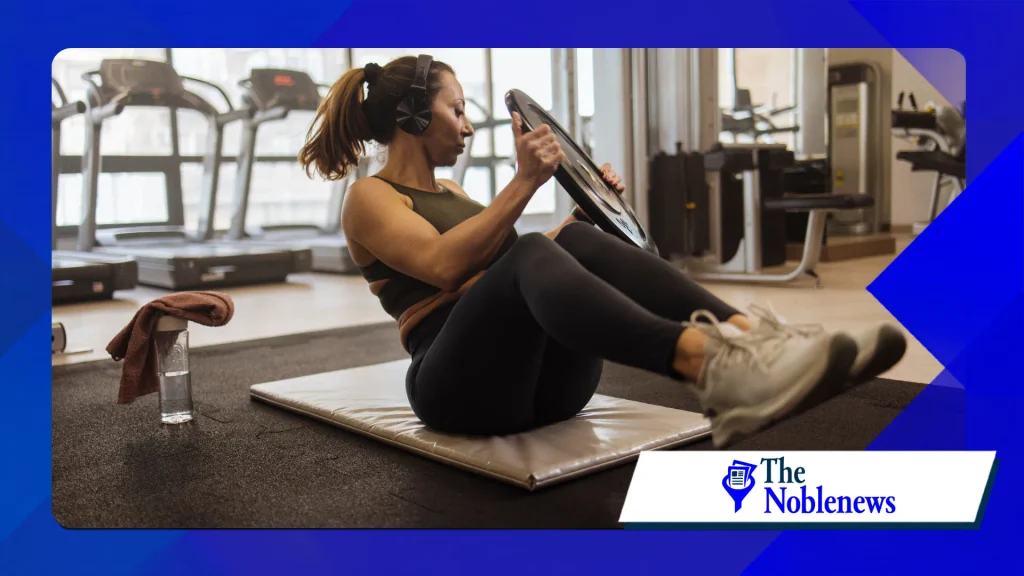
O que são treinos de rucking e por que estão se tornando tão populares?
Os treinos de rucking envolvem carregar uma mochila com peso — tradicionalmente chamada de ruck — por longas distâncias.
Originária do treinamento tático, onde soldados transportavam equipamentos pesados por longas distâncias, a disciplina eliminou suas exigências de campo de batalha para se tornar um esporte civil acessível.
Os padrões de vida modernos fazem com que milhões de pessoas passem horas sentadas em suas mesas diariamente, o que leva a quadris rígidos, glúteos fracos e má postura.
Levantar pesos pesados pode ser intimidante, enquanto correr longas distâncias costuma causar dores nas articulações. Adicionar peso a uma caminhada comum resolve esse problema perfeitamente.
De acordo com pesquisas em ciência do exercício publicadas pela Institutos Nacionais de SaúdeO transporte de carga com peso exige maior consumo de oxigênio e ativação muscular do que a caminhada sem peso, aumentando o condicionamento aeróbico sem exigir movimentos de alta velocidade.
O aumento de sua popularidade em ambientes urbanos e suburbanos decorre de sua notável simplicidade.
Ao contrário de rotinas de ginásio especializadas que exigem equipamentos complexos ou mensalidades caras, a caminhada com carga requer o mínimo de equipamento para produzir resultados físicos significativos.
Os entusiastas do fitness moderno valorizam atividades que oferecem benefícios multifacetados para a saúde, mesmo com agendas lotadas.
A combinação de condicionamento cardiovascular com fortalecimento muscular de baixa intensidade permite que os indivíduos alcancem dois objetivos de condicionamento físico em uma única sessão de treino.
Além disso, as tendências de exercícios físicos ao ar livre continuam ganhando força à medida que as pessoas buscam alívio da saturação de telas e dos ambientes fechados.
O rucking incentiva naturalmente o movimento ao ar livre, transformando calçadas de bairros, parques urbanos e trilhas naturais em ambientes de treinamento produtivos.
Essa combinação de acessibilidade, eficiência e interação com ambientes externos posiciona a caminhada com carga como um movimento fundamental no condicionamento físico funcional contemporâneo.
Como o rucking se compara a outras atividades cardiovasculares de baixo impacto?
A escolha do exercício cardiovascular adequado depende dos objetivos pessoais de condicionamento físico, da vulnerabilidade das articulações e da disponibilidade de tempo.
++ Como as rotinas de exercícios circadianos melhoram a recuperação e a energia.
Adicionar carga transforma movimentos simples em um treino híbrido que trabalha resistência e força simultaneamente.
| Métrica de exercício | Caminhada padrão | Correndo | Treinos de Rucking | Ciclismo |
| Foco primário | Cardio leve | Exercícios cardiovasculares de alto impacto | Híbrido de resistência e força | Exercícios cardiovasculares de baixo impacto |
| gasto calórico | Moderado | Alto | Alto | Moderado-Alto |
| Impacto Conjunto | Muito baixo | Alto | Baixo-Moderado | Baixo |
| Ativação da cadeia posterior | Baixo | Moderado | Alto | Baixo |
| Equipamento necessário | Tênis | Tênis de corrida | Mochila com peso | Bicicleta e capacete |
Caminhar normalmente proporciona benefícios excepcionais de recuperação, mas não gera resistência suficiente para sobrecarga progressiva.
A corrida proporciona uma rápida adaptação cardiovascular, mas submete as articulações dos membros inferiores a forças de impacto vertical de até três vezes o peso corporal total.
Andar de bicicleta oferece benefícios aeróbicos de baixo impacto, mas mantém uma postura sentada com os quadris flexionados, o que agrava a tensão nas costas causada pelo trabalho de escritório.
Leia mais: Como os banhos de água fria se popularizaram entre os entusiastas do fitness do dia a dia
Caminhar com carga resolve essas limitações, mantendo o contato do pé com o solo e, ao mesmo tempo, impondo uma carga funcional aos músculos responsáveis pela postura ereta.
Quais são os principais benefícios físicos da caminhada com carga?
A saúde cardiovascular melhora significativamente quando se movimenta sob carga.
Seu coração bombeia mais rápido para fornecer sangue oxigenado aos músculos que trabalham contra a gravidade, transformando um passeio casual em uma poderosa sessão aeróbica.
Queima calórica otimizada: Carregar peso extra pode aumentar o gasto energético em 30 a 50 calorias em comparação com uma caminhada normal no mesmo ritmo, transformando um passeio comum em uma sessão eficiente de queima de gordura.
Alinhamento postural: A força exercida para trás por uma mochila pesada exige o envolvimento do core, empurrando os ombros para trás e fortalecendo a coluna vertebral, combatendo a postura curvada para a frente ao trabalhar em frente à mesa.
Suporte à Densidade Óssea: Exercícios com carga estimulam a remodelação óssea, ajudando a construir ossos mais densos e protegendo contra a perda de densidade óssea relacionada à idade.
Resistência Muscular Funcional: Ombros, parte superior das costas, abdômen, glúteos e panturrilhas trabalham juntos continuamente a cada passo, desenvolvendo resistência e força em todo o corpo.
Além do condicionamento aeróbico, a sustentação isométrica necessária para estabilizar uma mochila carregada desenvolve uma resiliência notável nos músculos estabilizadores da parte superior das costas.
Os músculos romboides, trapézios e deltóides posteriores trabalham continuamente para evitar que os ombros se curvem para a frente sob as alças da mochila.
Essa contração sustentada desenvolve a resistência da parte superior do corpo sem exigir exercícios pesados de pressão acima da cabeça ou movimentos agressivos de puxada.
++ Por que a preservação de jogos retrô está ganhando força entre os jogadores?
Com o tempo, os participantes relatam redução da tensão na coluna torácica e maior conforto lombar durante as atividades diárias.
A adaptação metabólica ocorre rapidamente à medida que a massa de trabalho total aumenta.
Mover de 9 a 14 kg adicionais exige maior produção de força do complexo glúteo e dos músculos isquiotibiais durante a fase de apoio da passada.
Esse aumento no recrutamento transforma a caminhada padrão em um exercício eficaz para a cadeia posterior, mantendo a frequência cardíaca dentro das zonas otimizadas de oxidação de gordura.
Como iniciar uma rotina de rucking com segurança?
Começar com segurança evita fadiga e tensão desnecessárias. Seguir uma progressão estruturada protege seus ombros, costas e joelhos, à medida que seu tecido conjuntivo se adapta à resistência extra.
Passo 1: Selecione a marcha correta
Comece com uma mochila resistente com alças largas e acolchoadas. Posicione anilhas, sacos de areia ou livros pesados na parte superior e próxima à coluna para manter o centro de gravidade e minimizar a pressão na região lombar.
Passo 2: Estabeleça seu peso base
Iniciantes devem começar com aproximadamente 10% do seu peso corporal total. Um adulto de 82 kg (180 libras) deve começar com 7 a 8 kg (15 a 18 libras) dentro da mochila antes de tentar níveis de resistência mais elevados.
Passo 3: Concentre-se na forma correta
Mantenha a postura ereta, puxe as omoplatas para baixo e para trás e evite inclinar-se excessivamente para a frente na altura da cintura. Dê passos naturais e confortáveis, sem alongar demais a passada ou travar os joelhos ao tocar o solo.
Passo 4: Gerenciar a distância e a frequência
Programe duas a três sessões de 20 minutos por semana em terreno plano. Aumente gradualmente a duração e a distância antes de adicionar mais peso à sua mochila.
Manter um ritmo adequado continua sendo um pilar fundamental de segurança durante as sessões iniciais.
Muitas vezes, as pessoas cometem o erro de tentar correr em ritmo constante usando peso, o que aumenta drasticamente a força produzida nas articulações dos joelhos e tornozelos.
Manter um ritmo de caminhada rápido e determinado — em torno de 15 a 20 minutos por quilômetro — proporciona o máximo de benefícios aeróbicos, preservando a integridade das articulações.
Que técnicas avançadas e modelos de progressão você deve usar?
Uma vez estabelecida a tolerância básica ao longo de quatro a seis semanas, a progressão sistemática previne a estagnação física.
O progresso exige o controle cuidadoso de três variáveis principais: carga de peso, distância total e variação do terreno.
Terrenos variados apresentam desafios de estabilidade em múltiplos planos. A transição de calçadas de concreto lisas para trilhas de terra, colinas onduladas ou caminhos arenosos aumenta a ativação dos músculos estabilizadores nos tornozelos, joelhos e quadris.
Caminhar em inclinação com carga aumenta significativamente o recrutamento dos músculos da panturrilha e da parte posterior da coxa, elevando a frequência cardíaca sem acelerar a velocidade do movimento.
A descida em terrenos inclinados exige um envolvimento excêntrico controlado dos músculos quadríceps, desenvolvendo a estabilidade da parte inferior do corpo, crucial para o desempenho atlético.
O planejamento do programa deve alternar entre dias focados em volume e dias focados em carga:
Sessões de Volume: Use uma resistência mais leve (10% de peso corporal) em distâncias maiores (de 3 a 5 milhas) para maximizar a capacidade aeróbica e a resistência muscular.
Sessões de Intensidade: Utilize resistência moderada (de 15% a 20% de peso corporal) em distâncias mais curtas (de 1,5 a 2,5 milhas) em terrenos acidentados para enfatizar a potência das pernas e a estabilidade do core.
Sessões de recuperação: Realize caminhadas curtas, sem peso ou ultraleves (5% de peso corporal) para promover o fluxo sanguíneo e a recuperação ativa dos tecidos entre os dias de treino mais intensos.
Que melhorias de equipamento você deve considerar à medida que progride?
Coletes com peso específico e placas de peso especiais para mochilas oferecem uma distribuição de peso superior em comparação com mochilas escolares padrão.
Mochilas comuns deslocam o peso para longe da coluna, causando um efeito de alavanca desconfortável contra a curvatura lombar.
Bolsas de ginástica especializadas posicionam placas de metal pesadas na parte superior das costas, reduzindo o atrito e melhorando o conforto durante longas distâncias.
O uso de calçado adequado continua sendo essencial. Tênis de trilha com bom suporte ou botas táticas protegem os tornozelos e absorvem o impacto em terrenos irregulares. Mochilas de hidratação tornam-se indispensáveis quando a duração da atividade ultrapassa 40 minutos.
Diretrizes de treinamento abrangentes da Centro de Treinamento Militar Inicial do Exército dos EUADestacam-se que a distribuição adequada da carga e o cuidado com os pés continuam sendo as variáveis críticas que determinam a capacidade de resistência durante movimentos com peso.
Investir em cintas peitorais e cintos de quadril otimiza ainda mais a distribuição do peso durante excursões mais longas.
Uma cinta peitoral impede que as alças dos ombros se desloquem para fora, em direção às axilas, mantendo a carga centrada sobre a parte superior da coluna vertebral.
Uma cinta abdominal espessa transfere parte do peso da mochila diretamente para a estrutura pélvica, aliviando a carga sobre os músculos dos ombros durante longas distâncias.
Perguntas frequentes
Os treinos de marcha com mochila fazem mal para os joelhos?
Quando realizada com postura correta e carga moderada, a caminhada com peso gera significativamente menos tensão nas articulações do que a corrida de alto impacto.
Manter as cargas abaixo de 15% do peso corporal permite que os joelhos desenvolvam tolerância estrutural com segurança, enquanto fortalecem a musculatura de suporte das pernas.
Com que frequência você deve fazer uma caminhada com peso por semana?
Começar com dois ou três dias não consecutivos por semana permite que os músculos e o tecido conjuntivo tenham tempo para se recuperar.
Atletas avançados podem aumentar a frequência para quatro ou cinco sessões semanais com segurança à medida que o condicionamento físico melhora, desde que mantenham estratégias adequadas de recuperação.
Será que caminhar com peso pode substituir o treinamento de força tradicional?
Embora seja excelente para desenvolver resistência muscular e fortalecer a cadeia posterior, a caminhada com peso complementa, em vez de substituir, programas de treinamento de força específicos focados em exercícios de amplitude total de movimento, como agachamentos, levantamentos terra e desenvolvimentos acima da cabeça.
Qual é a velocidade de caminhada ideal durante um treino com carga?
Um ritmo alvo sustentável situa-se entre 15 e 20 minutos por milha (3 a 4 milhas por hora). Concentre-se em manter uma postura ereta e uma passada constante, em vez de tentar trotar ou correr com o peso do corpo.
++ O ressurgimento do rucking: uma atividade ancestral para o condicionamento físico moderno.
++ Fiz caminhadas com mochila todos os dias durante um mês — eis o que aprendi.
