
Why retro gaming cafés attract younger generations today
Anúncios
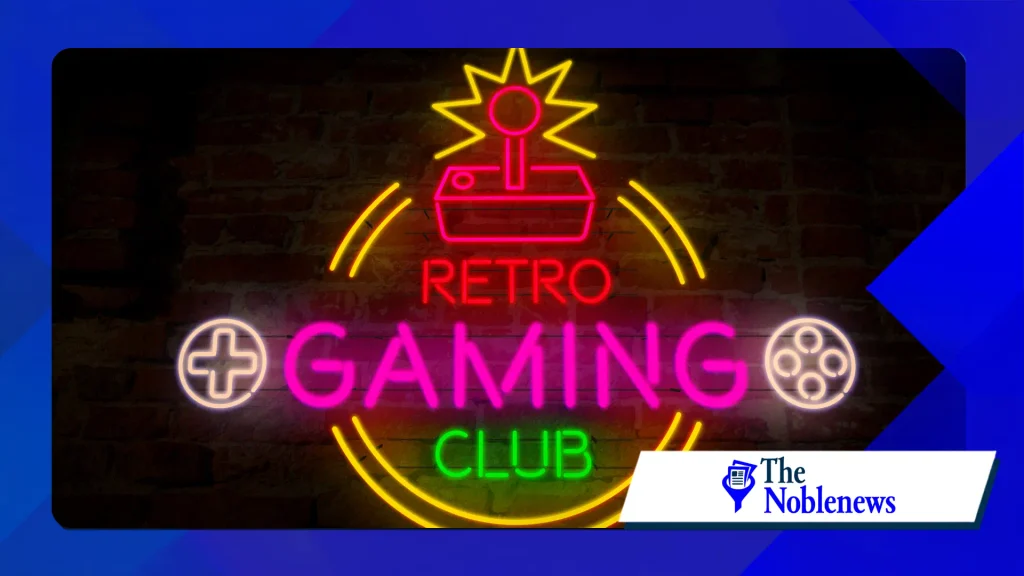
Retro gaming cafés have emerged as vibrant cultural hubs, bridging the gap between tactile entertainment, community gathering, and screen-time fatigue.
Gen Z and Generation Alpha are driving an unexpected surge in analog and early-digital social spaces.
Despite growing up with cloud streaming, photorealistic graphics, and smartphone access to thousands of titles, younger players are flocking to physical venues dedicated to classic hardware.
These venues offer more than nostalgia—especially for a generation that was not even alive during the 8-bit or 16-bit eras.
Understanding this shift requires looking past pure novelty and examining how physical social spaces fulfill deep psychological and cultural needs for today’s youth.
Key Takeaways
- Social Connection: Physical spaces provide authentic, low-friction hangouts that combat digital isolation and passive social media consumption.
- Tactile Engagement: Original CRT monitors, physical cartridges, and arcade cabinets offer a sensory-rich experience absent in modern app ecosystems.
- Financial Value: Flat-fee cover charges or pay-per-hour models give young consumers affordable options for group entertainment outside traditional nightlife.
- Curation & Discovery: Expertly maintained hardware acts as an interactive museum where visitors discover gaming history through authentic gameplay rather than emulation.
What Drives Gen Z Toward Retro Gaming Cafés?
Gen Z faces a unique cultural paradox: they are the most digitally connected generation in history, yet they report high levels of loneliness and digital burnout.
Traditional “third places”—spaces outside of home and school or work—have rapidly diminished over the last decade.
Modern commercial spaces often demand high spending, while public gathering spots are increasingly restricted.
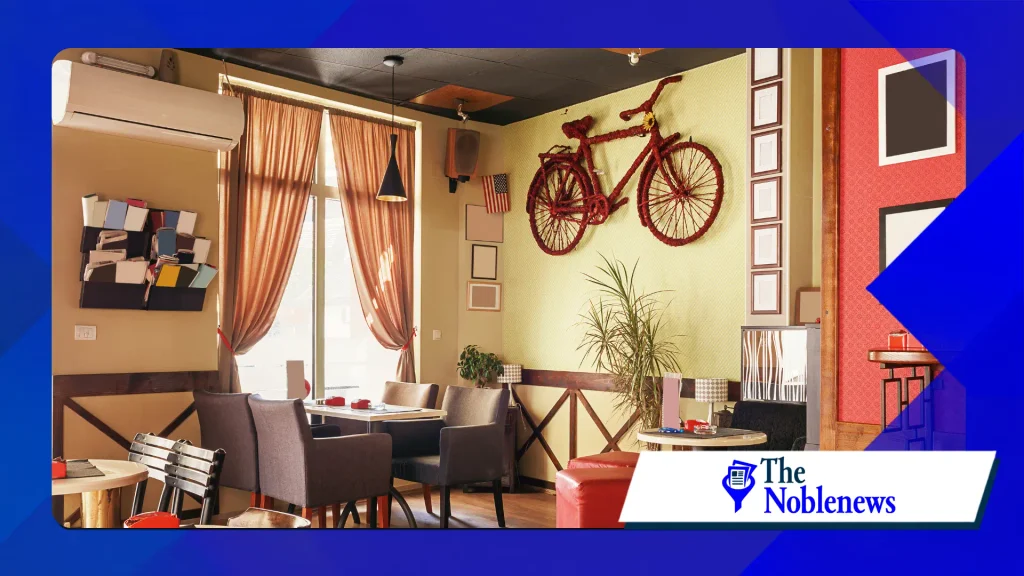
They present an inviting atmosphere where visitors can relax, chat, and engage in cooperative or competitive play without the rigid expectations of modern competitive gaming.
Instead of sitting behind headset microphones in isolated rooms, younger players share a couch.
They cheer during multiplayer sessions of Mario Kart 64 or swap advice on mastering Street Fighter II. The casual, shared nature of these physical venues turns gaming back into an inherently social activity.
How Does Classic Hardware Compare to Modern Digital Gaming?
Modern gaming platforms prioritize live-service models, microtransactions, continuous updates, and online matchmaking.
While these mechanics offer infinite content, they can also induce cognitive fatigue and financial strain.
Classic consoles offer a distinct alternative: plug-and-play simplicity with clear start and stop points.
Recent research published by the Pew Research Center on youth social habits highlights how younger demographics actively seek physical spaces that facilitate unstructured social interaction. Retro venues solve this dilemma cleanly.
| Feature / Metric | Modern Cloud & Digital Gaming | Classic Arcade & Console Experience |
| Social Interaction | Remote, headset-driven, algorithm-matched | In-person, shared couch, local crowds |
| Monetization Model | Battle passes, microtransactions, subscriptions | Single entry fee, tokens, or hourly rates |
| Setup & Friction | Downloads, patches, system updates | Instant hardware playback (Zero load times) |
| Hardware Experience | Uniform screens, touchpads, standard controllers | CRTs, joysticks, light guns, physical buttons |
| Cognitive Impact | High pressure, rank tracking, FOMO mechanics | Casual exploration, shared fun, low stress |
Tactile sensation plays a major role in this appeal.
Playing on an original cathode-ray tube (CRT) television with a physical controller provides instantaneous response times and visual characteristics that modern flat screens cannot replicate without complex filters.
++ How fan conventions economy fuels local creative industries
Pressing a heavy plastic button on a 1990s arcade cabinet creates a physical response that touchscreen taps simply cannot match.
Why Is Nostalgia Powerful for Players Who Missed the Original Era?
Cultural historians often refer to “vicarious nostalgia”—a longing for a time period one did not personally experience.
Younger players discover 1980s and 1990s aesthetics through synthwave music, fashion trends, and popular media series.
Retro venues transform those screen-based aesthetic trends into tangible physical reality.
Exploring a library of classic cartridges feels like visiting a curated media archive.
Young adults enjoy the deliberate act of selecting a physical game, blowing off the dust, and snapping it into a console.
That tactile process turns media consumption into an intentional event rather than an endless scroll through an algorithmically generated catalog.
Curators at these cafés maintain rare hardware, imported consoles, and custom arcade setups.
Read here: The growth of indie comic publishers beyond superhero books
This level of preservation gives visitors access to games that are otherwise lost to licensing purgatory or impossible to find on modern digital storefronts.
What Business Models Make Retro Gaming Cafés Sustainable?
Running a successful venue requires balancing high operational costs with affordable consumer pricing.
Successful operators avoid relying solely on game revenue. Instead, they build diversified revenue streams that maximize floor space and customer retention throughout the week.
Most popular locations implement one of three core operational structures:
Cover Charge Model: Customers pay a flat entrance fee (typically $10–$15) for unlimited play on all free-play consoles and arcade cabinets, generating revenue primarily through food and drink sales.
Hourly Console Rental: Groups rent specific booths or console stations stocked with popular local multiplayer titles by the hour.
Hybrid Arcade-Bar (Beercade): Operating as family-friendly cafés during daytime hours, these spaces transition to adult-focused venues in the evening, leveraging high-margin food and beverage menus.
++ What Recent Antarctic Research Reveals About Earth’s Future
Offering local craft drinks, retro-themed snacks, and specialty coffees keeps average check sizes healthy while maintaining an accessible entry price for younger guests.
How Do These Venues Build Local Communities?
Beyond casual play, retro establishments serve as community organizers for niche subcultures. Regular events give sporadic visitors a concrete reason to return week after week.
Local Tournaments: Bracket-style competitions featuring fighting games like Super Smash Bros. Melee or classic arcade high-score chases draw competitive crowds.
Themed Trivia Nights: Pop culture quiz events centered on classic gaming franchises build camaraderie among fans.
Speedrunning Showcases: Live demonstrations by local speedrunners turn gameplay into an engaging spectator sport.
Hardware Swap Meets: Collectors gather to trade vintage cartridges, accessories, and custom mods.
According to economic and urban development data analyzed by the U.S. Small Business Administration, local brick-and-mortar entertainment venues that focus on community-driven events retain customers far more effectively than purely transactional retail spaces.
Community building transforms a simple arcade visit into a weekly ritual.
Frequently Asked Questions
Do retro gaming cafés charge by the game or by the hour?
Pricing models vary by venue. Many modern venues use a flat cover charge ranging from $10 to $20 for unlimited play all day. Others use time-stamped wristbands for hourly rates or retain traditional coin-operated tokens for arcade cabinets.
Are retro gaming cafés accessible for families and minors?
Most spaces operate as family-friendly cafés during morning and afternoon hours. Venues serving alcohol often set age restrictions or require adult supervision after 8:00 PM.
What are the most popular games played at retro gaming venues?
Four-player couch co-op titles and classic arcade games dominate popularity charts.
Frequently played games include Mario Kart 64, Super Smash Bros., Street Fighter II, NBA Jam, Teenage Mutant Ninja Turtles: Turtles in Time, and classic pinball machines.
Why not just use software emulators at home?
Emulators offer convenience, but they lack the original physical controls, CRT display fidelity, zero-latency input, and shared social energy of a physical location.
Visiting a gaming café converts playing into a shared public experience rather than an isolated home activity.
The Cultural Staying Power of Retro Spaces
Retro gaming cafés have established themselves as indispensable social havens for younger generations.
By combining authentic classic hardware, affordable prices, and a welcoming atmosphere, these venues go far beyond simple nostalgia.
They provide a direct answer to digital fatigue, restoring face-to-face interaction and a genuine sense of community.
Whether discovering gaming history or hanging out with friends, these spaces prove that real human connection remains irreplaceable.
++ Retro Revival: Why the World Is Falling Back in Love With Classic Arcade Culture
\