
Why Japanese hobby stores inspire collectors worldwide
Anúncios
Japanese hobby stores set a benchmark for rare merch sourcing, precise condition grading, and unmatched inventory density that Western retailers struggle to mirror.
For global collectors, stepping inside a physical or digital shop based in Akihabara or Nakano Broadway feels less like browsing retail shelves and more like entering an impeccably curated archive.
Whether you hunt for vintage mecha plastic models, rare trading card singles, or limited-run anime scale figures, the obsession with quality control makes Japan the ultimate epicenter of geek culture.
Understanding what powers this worldwide fandom requires looking beyond aesthetic appeal.
Retailers across Tokyo and Osaka operate under strict local resale laws, hyper-focused curation standards, and preservation ecosystems that transform buying into an art form.
Key Takeaways
- Meticulous Grading Systems: Japanese retailers enforce rigorous condition assessments, giving online and in-person buyers near-total trust in item quality.
- Exclusive Domestic Inventory: Unmatched access to limited-run garage kits, lotteries (Ichiban Kuji), and region-locked merchandise fuels global demand.
- Cultural Retail Philosophy: Floor layouts maximize spatial efficiency while treating pop-culture items as preservation-worthy artifacts.
- Seamless Cross-Border Commerce: Modern proxy shipping services and direct international storefronts allow Western collectors to tap into live store inventories effortlessly.
What Makes Japanese Hobby Stores the Global Standard for Collectors?
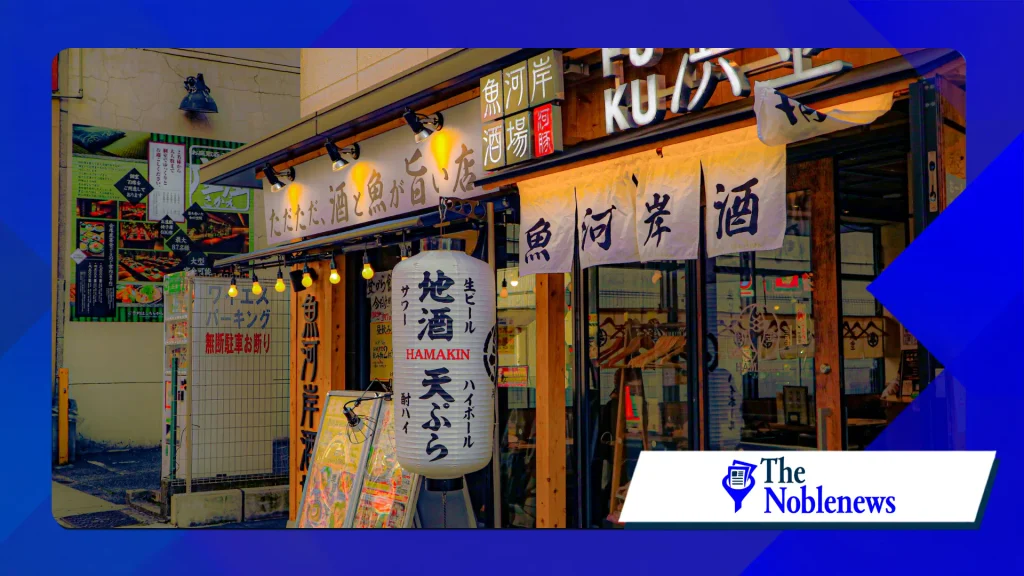
Walk into famous shopping complexes like Nakano Broadway or Akihabara Radio Kaikan, and the immediate distinction is structural density paired with extreme specialization.
Instead of broad-spectrum department stores stocking generic toys, Japanese hobby stores specialize down to micro-categories—dedicated exclusively to vintage Sofubi vinyl figures, specific trading card sets, or regional model kit parts.
This specialization creates unprecedented inventory depth. Collector culture in Japan views pop culture merchandise not as disposable plastic, but as valuable cultural ephemera deserving preservation.
Stores operate with museum-level care: individual card singles rest in protective sleeves sorted by specific printing runs, while scale figures undergo multi-point inspections before hitting display cases.
Furthermore, Japan’s Second-Hand Articles Dealer Act (Kobutsuho) mandates strict record-keeping and identity verification for pre-owned goods.
This regulatory framework drastically reduces fake or counterfeit items in the secondary market, giving international buyers absolute confidence when purchasing high-ticket items remotely.
Why Do Collectors Trust Used Items from Japanese Retailers?
Western collectors often express shock at the pristine condition of items labeled “Used” or “Rank B” by Japanese shops like Mandarake, AmiAmi, or Surugaya.
The standard for pre-owned merchandise in Japan is exceptionally high, rooted in a cultural commitment to taking care of personal possessions.
++ The growth of fandom tourism around iconic filming locations
Stores use transparent letter-grade scoring to evaluate condition:
| Condition Rank | Typical Meaning in Japanese Hobby Stores | Collector Expectation |
| Item Rank A / Box A | Brand new, unopened, mint box condition | Museum quality; zero shelf wear or sun damage. |
| Item A- / Box B | Opened for inspection, figure never displayed | Pristine condition; box may show slight corner wear. |
| Item B / Box C | Displayed briefly in dust-free case; minor wear | Excellent quality; minor cosmetic box damage noted explicitly. |
| Item C / Box Damage | Visible paint transfer, missing accessories, or heavy wear | Clear photographs and notes list every specific defect. |
This grading reliability eliminates the guesswork typical of Western peer-to-peer marketplaces.
When a Japanese retailer flags a minor crease on an outer carton, the figure inside is almost always indistinguishable from new.
How Do Exclusive In-Store Retail Dynamics Drive Overseas Demand?
Japanese hobby retailers thrive on exclusive distribution models that keep international collectors continuously engaged.
Concepts like Ichiban Kuji (lottery-style merchandise draws held at hobby shops and convenience stores) create instant scarcity for top-tier prizes.
Key retail mechanics driving international enthusiasm include:
Floor-to-Ceiling Rental Showcase Booths: Individual sellers rent tiny glass cases inside larger stores (e.g., K-Books or Astop), setting their own prices for hyper-rare items and creating a dynamic micro-economy.
Event-Limited Garage Kits: Specialized conventions like Wonder Festival allow independent sculptors to sell ultra-limited resin kits through official temporary licensing agreements.
Region-Locked Bonus Parts: Major manufacturers like Good Smile Company or Bandai frequently include exclusive pre-order bonus faces or accessories only available when purchasing directly through domestic physical storefronts.
Read more: Why retro gaming cafés attract younger generations today
Because these items rarely reach traditional Western retail channels, international fans rely heavily on proxy services or direct export storefronts to secure prized pieces.
Which Japanese Hobby Stores Lead the Global Market?
Navigating the landscape requires knowing which stores excel in specific collector niches.
Legendary brick-and-mortar storefronts have seamlessly evolved into global e-commerce powerhouses, catering to international orders with multi-language support and specialized protective packaging.
Mandarake
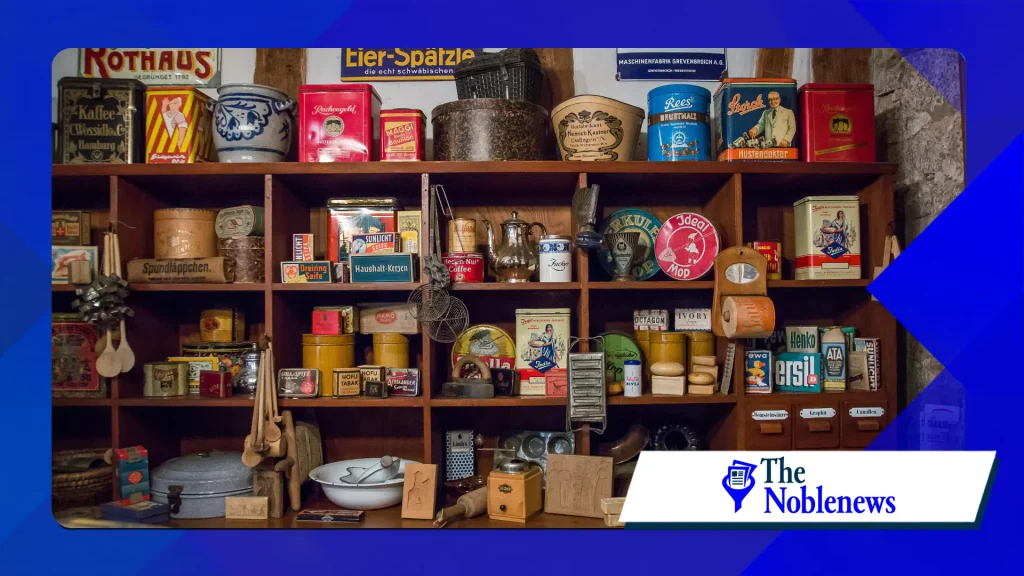
The undisputed titan of vintage and pop culture collectibles. Operating massive multi-floor buildings across Japan, Mandarake specializes in rare vintage toys, classic manga, art books, and retro media.
++ The Most Memorable Movie Quotes of All Time
Their proprietary online database tracks real-time inventory across all physical branches, shipping internationally with custom-fitted protective boxes.
AmiAmi
The premier destination for modern anime figures, character goods, and pre-orders.
Located prominently in Akihabara, AmiAmi’s online portal serves as the primary benchmark for global figure pricing.
Their clear pre-owned section updates daily, drawing thousands of international hits per minute.
Surugaya
Famous for its exhaustive inventory of niche goods, video games, trade figures, and doujinshi.
Surugaya’s physical locations are legendary dense labyrinths where collectors dig through organized bins to find obscure, long-out-of-print merchandise at unbeatable prices.
How Can International Collectors Safely Buy from Japan?
Buying directly from Japanese hobby shops has never been easier, yet mastering the process requires a strategic approach to shipping and customs.
First, identify whether the shop ships directly overseas. Outlets like AmiAmi, Mandarake, and Tokyo Otaku Mode offer direct international checkout with clear shipping options like DHL, EMS, or Surface Mail.
If a store only accepts domestic Japanese payment methods or ships within Japan, use an established proxy buyer service (such as Buyee, ZenMarket, or Neokyo).
These services purchase items on your behalf, receive them at a domestic warehouse, combine multiple purchases into a single box, and handle export documentation.
To ensure a smooth importing experience, track trade regulations and duty thresholds through official resources like the U.S. Customs and Border Protection portal.
Staying informed on current de minimis values and carrier processing fees prevents unexpected delivery charges on large shipments.
Frequently Asked Questions
Are items in Japanese hobby stores always authentic?
Yes, counter-feiting is extremely rare in established Japanese hobby stores due to legal enforcement under the Kobutsuho law and rigorous inspection standards.
Purchasing directly from reputable stores like AmiAmi, Mandarake, or Surugaya ensures authentic merchandise.
Why are prices for anime figures often cheaper in Japanese stores?
Japanese retailers buy directly from local distributors without paying international import markups, licensing re-export fees, or overseas freight costs.
Additionally, the pre-owned market in Japan is highly competitive, keeping secondary market prices fair.
What is the best way to ship fragile figures or plastic models internationally?
Express options like DHL or FedEx offer fast transit times and minimal package handling, reducing the risk of damage for delicate scale figures.
For large model kit orders, EMS provides a great balance of protective handling and reasonable rates.
Can tourists tax-free shop at physical Japanese hobby stores?
Yes, many major hobby stores in popular districts like Akihabara, Den Den Town, and Nakano Broadway offer tax-free shopping for foreign tourists presenting a valid passport on purchases over 5,000 yen.
++ Bringing Hobbies of Japan to the World
++ How international scalpers are changing the Japanese toy production market
