
How movie soundtrack vinyls became collector favorites again
Anúncios
Collecting movie soundtrack vinyls has evolved from a niche pastime into a dominant force within the physical media market.
In a streaming era defined by compressed digital files, physical film scores deliver tactile artwork, uncompressed audio fidelity, and permanent access to cinematic history.
Modern pressings now capture the imagination of audiophiles, film buffs, and pop culture enthusiasts alike.
- Key Takeaways:
- Fidelity & Artistry: Deluxe reissues prioritize original master tapes, heavy wax weights, and custom visual art over generic promo prints.
- Limited Pressings: Boutique labels leverage scarcity and specialized packaging to drive immediate collector demand.
- Cross-Generational Appeal: Younger demographics view film soundscapes on vinyl as intentional immersive experiences rather than background noise.
- Tangible Ownership: In an era of digital media delisting, physical soundtrack pressings guarantee permanent access to iconic film compositions.
Why Are Movie Soundtrack Vinyls Experiencing a Massive Resurgence?
The revival of movie soundtrack vinyls aligns directly with broader shifts in how audiences consume physical media.
While general music sales paved the way for the vinyl comeback, film scores offer distinct narrative appeal.
Listening to a movie soundtrack on a turntable recreates the atmospheric arc of the film, providing a structured listening experience that single tracks rarely achieve.
Audiophiles specifically seek out cinematic releases because film scores feature expansive dynamic ranges.
Orchestral arrangements, ambient electronic soundscapes, and acoustic motifs demand the high-frequency response and rich harmonic depth that uncompressed analog pressings deliver.
Standard digital streaming services compress dynamic range to balance playback across mobile speakers, flattening the contrast between quiet character motifs and explosive orchestral climaxes.
Furthermore, digital licensing agreements frequently lead to soundtracks vanishing from streaming apps without notice.
Collecting physical records safeguards these compositions against licensing shifts, ensuring long-term access to complete, unedited film audio.
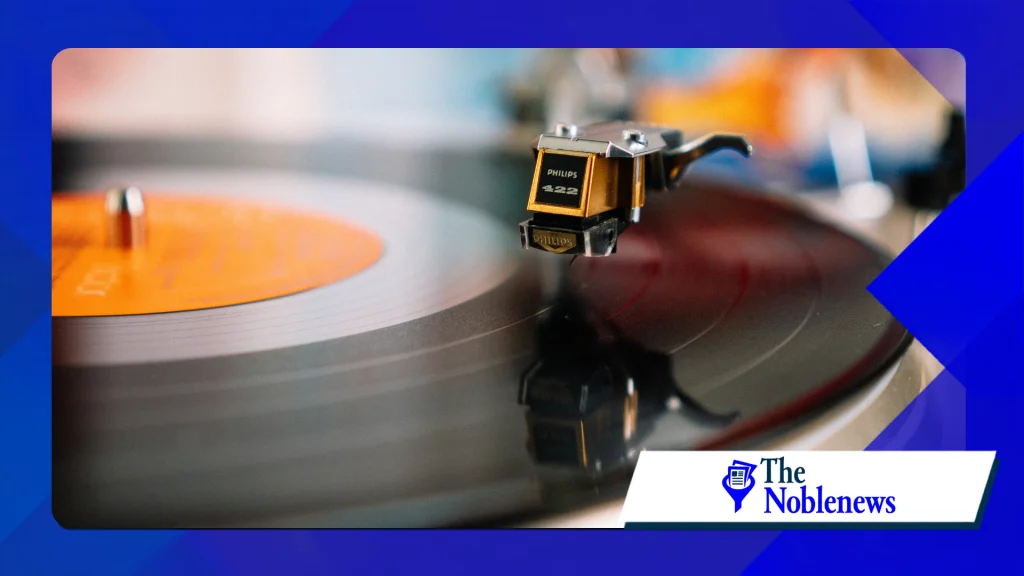
How Did Boutique Record Labels Upgrade the Soundtrack Experience?
Indie distribution labels altered the market trajectory by treating film scores as standalone fine art rather than secondary promotional products.
++ Why film preservation archives matter for future generations
Companies like Waxwork Records, Mondo, and Milan Records re-engineered every phase of the vinyl release process.
| Feature | Standard Vintage Release (1980s) | Modern Boutique Pressing |
| Audio Source | Compressed secondary tapes | Remastered original studio masters |
| Vinyl Weight | 120g – 140g standard wax | 180g heavy audiophile pressings |
| Packaging | Single-sleeve thin cardstock | Gatefold with heavy matte varnish |
| Artwork | Reused theatrical poster images | Original commissioned artwork |
| Color Variant | Standard black vinyl | Custom splatter, haze, or swirl |
| Extras | Basic paper inner sleeve | Liner notes, posters, art prints |
Instead of recycling poster art, modern specialty labels hire renowned illustrators to create original gatefold designs, screen-printed inserts, and thematic packaging elements.
Vinyl manufacturing standardizations now feature custom color splatter, marble effects, and heavy 180-gram pressings that match the visual tone of the film.
According to market analyses published by the Recording Industry Association of America, physical music revenue has consistently expanded over the past decade, driven heavily by premium vinyl configurations and specialized album variants.
High-end packaging transforms a simple record into a display-worthy cultural artifact.
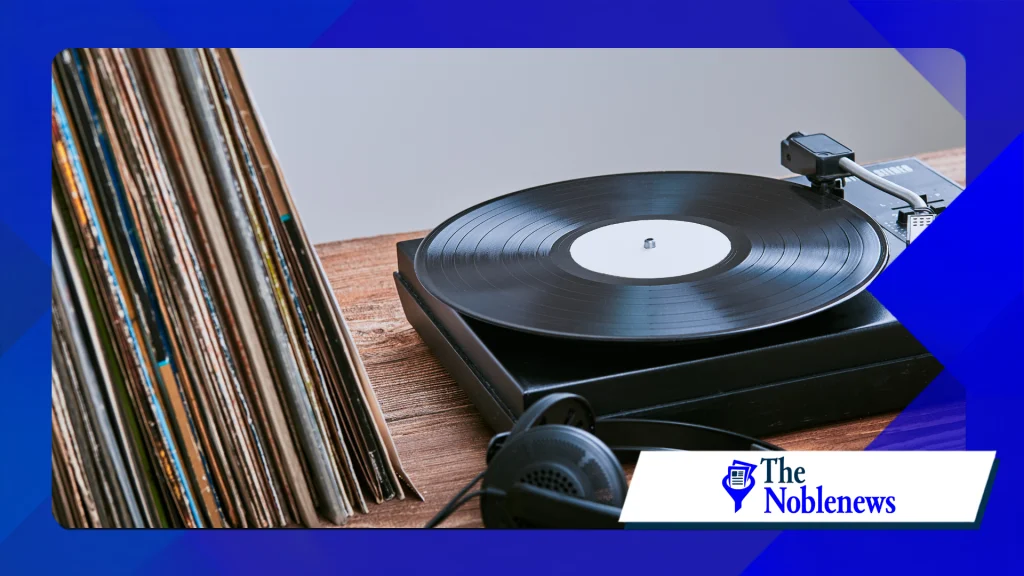
Which Film Soundtrack Genres Drive the Highest Collector Demand?
Not all soundtrack pressings command equal attention among collectors. Specific genres excel due to their unique auditory designs, cult fanbases, and historical scarcity.
Horror Film Scores
Horror soundtracks remain the most aggressive sector of the collectors market.
Pioneer synth compositions from John Carpenter (Halloween, The Fog) and Goblin (Suspiria) defined an aesthetic that translates perfectly to analog wax.
Read more: Why premium large format cinemas keep attracting audiences
Experimental sound design, sudden dynamic shifts, and eerie atmospheric tones create a tense home listening environment that horror enthusiasts actively seek out.
Science Fiction and Synthwave Soundtracks
Sci-fi cinema relies heavily on atmospheric depth. Scores featuring classic analog synthesizers—such as Vangelis’s masterpiece for Blade Runner or Disasterpeace’s score for It Follows—have developed dedicated followings.
The warm analog resonance of a turntable setup mirrors the precise electronic textures generated by classic hardware synthesizers.
Modern Blockbuster and Franchise Compositions
Orchestral scores from composers like Hans Zimmer (Interstellar, Dune), Ludwig Göransson (Oppenheimer), and Trent Reznor with Atticus Ross (The Social Network) draw massive demand.
Collectors hunt these pressings to capture every layer of complex orchestral staging and modern hybrid production techniques.
How Do Custom Color Variants and Scarcity Impact Record Values?
Scarcity remains a primary engine driving the secondary soundtrack market. Specialized pressings often feature strict production limits, ranging from 500 to a few thousand units worldwide.
Color variants styled after key cinematic motifs—such as “sandworm yellow” wax for Dune or “slime green” for Ghostbusters—create immediate visual urgency.
When small production runs sell out directly from label storefronts, secondary trading platforms see immediate value spikes.
Evaluating long-term collector value depends heavily on pressing origin and audio mastering credits.
++ How game demo festivals help indie titles find new audiences
Pressings sourced directly from original master tapes and cut at reputable mastering facilities sustain resale premiums far better than low-quality digital-to-analog conversions.
What Is the Proper Way to Store and Maintain Soundtrack Vinyls?
Protecting physical audio investments requires proper environmental controls, safe handling habits, and archival-grade storage supplies.
Upgrade Inner Sleeves Immediately: Paper inner sleeves shed dust particles and create micro-scratches over time. Replace stock paper bags with anti-static HDPE (High-Density Polyethylene) rice-paper sleeves.
Store Albums Vertically: Stacking records horizontally creates uneven weight distribution, leading to permanent warping and ring wear on album jackets. Use sturdy shelving built to handle heavy vertical loads.
Control Temperature and Humidity: Keep physical collections away from direct sunlight, heating vents, and high-humidity zones to prevent vinyl degradation and sleeve mold growth.
Use Wet Cleaning Methods: Dust gathers rapidly inside record grooves. Clean new and vintage pressings using a dedicated vacuum cleaning machine or fluid-based microfiber system before initial playback.
For deeper insights into audio preservation standards and archival storage methodologies, reference the technical conservation guides hosted by the Library of Congress.
What Does the Future Hold for Film Soundtrack Vinyl Pressings?
The resurgence of movie soundtrack vinyls represents a fundamental realignment in how audiences value physical culture.
Film scores are no longer treated as secondary studio leftovers; they stand as definitive artistic achievements that deserve preservation, premium audio presentation, and dedicated shelf space.
As digital media landscapes grow increasingly fragmented, physical film pressings provide stability, tangible craftsmanship, and an uncompressed auditory connection to cinema’s greatest moments.
Whether hunting rare vintage pressings or pre-ordering boutique reissues, film score collectors continue to prove that analog media remains an irreplaceable cornerstone of modern pop culture.
Frequently Asked Questions
Do colored soundtrack vinyls sound worse than standard black wax?
Historically, clear or multi-colored vinyl exhibited higher surface noise than traditional carbon-black pressings.
However, modern manufacturing facilities use refined PVC compounds that render performance differences virtually unnoticeable to human ears.
Picture discs remain the sole exception, as thin audio layers pressed over printed graphics produce higher noise floors.
Where is the best place to purchase specialized soundtrack pressings?
Purchasing directly from specialty labels like Waxwork Records, Mondo, Milan Records, or Sacred Bones guarantees first-run access to limited editions.
Supporting independent local record shops or utilizing dedicated collector platforms like Discogs offers reliable avenues for securing out-of-print titles.
Why are double LP soundtrack sets more expensive than single records?
Double LP configurations allow mastering engineers to spread audio across four vinyl sides instead of two.
Spreading music across wider physical real estate allows wider groove spacing, which dramatically improves bass response, dynamic range, and overall audio volume without distortion.
Are original vintage soundtrack pressings better than modern reissues?
Not always. While original vintage pressings hold historic charm and vintage appeal, modern audiophile reissues often deliver superior sound quality.
Boutique labels frequently access master tapes, apply modern noise-reduction techniques, and press onto heavier, flatter 180-gram vinyl records.
++ The inexorable rise of vinyl soundtrack releases
++ How Movie and TV Soundtracks Are Reviving Forgotten Decades
