
Why the “My Reaction” TikTok Trend Turns Faces Into Reviews
Anúncios
However, the “My Reaction” TikTok trend flips the script by turning human facial expressions into authentic, bite-sized product reviews.
When a viral TikTok trend explodes across feeds, it usually relies on catchy audio or a popular dance move.
Instead of reading lengthy written testimonials or watching polished five-minute video reviews, TikTok users are using raw, exaggerated, or hilarious physical reactions to deliver unfiltered verdicts on everything from beauty products and snacks to tech gadgets and movies.
This trend reflects a broader shift in how digital audiences consume product feedback.
In an era where online shoppers are increasingly skeptical of paid sponsorships and overly scripted influencer marketing, a genuine reaction face cut to a key moment can convey trust, humor, and clarity in less than three seconds.
Key Takeaways
- Expression as Analysis: The “My Reaction” trend uses raw facial reactions—cringes, gasped delight, shock, or pure indifference—to review items faster than traditional video commentary.
- Overcoming Ad Fatigue: Viewers trust visceral physical reactions over rehearsed marketing pitches, making these micro-reviews remarkably persuasive.
- Algorithmic Velocity: Short, high-emotion video clips drive strong audience retention and repeat loops, allowing reaction reviews to go viral quickly.
- Brand Strategy Shifts: Major consumer brands and marketers are adopting reaction-style formats to appear authentic and relatable on short-form video platforms.
What Is the “My Reaction” TikTok Trend?
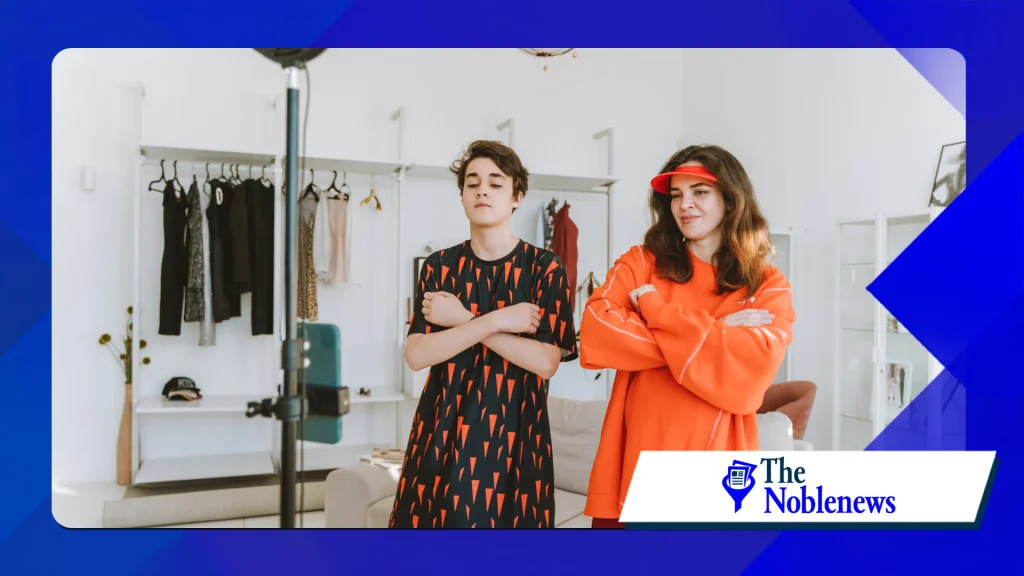
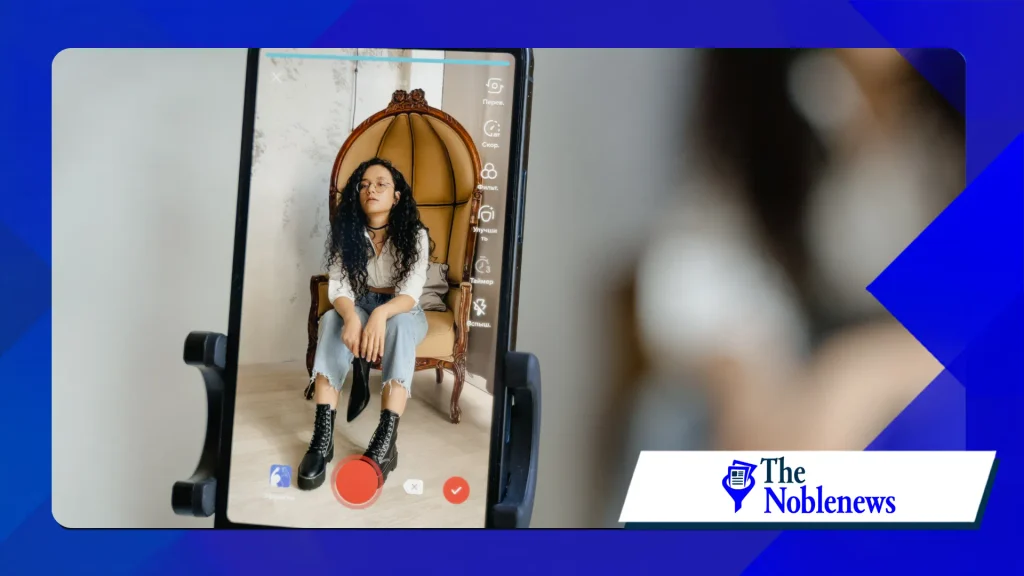
The “My Reaction” TikTok trend centers on creator videos featuring a split-screen or overlay layout. On one side or background, the video showcases a specific product, media moment, song release, or experience.
On the main focus area, the creator captures their live or recreated reaction using explicit facial expressions, subtle nods, dramatic eye rolls, or expressive hand gestures.
While reaction content has existed since the early days of YouTube, TikTok’s ultra-short vertical format changes how the content functions.
Rather than acting as background commentary, the creator’s face becomes the primary metric of quality.
++ What Memes Are Trending Right Now? A Guide to Internet Culture
By condensing a full product evaluation into a few seconds of non-verbal cues, creators provide instantaneous context that instantly communicates whether a product is worth your time or money.
Why Faces Are Replacing Written Reviews
Modern consumers, particularly Gen Z and Millennials, face significant choice fatigue. Standard e-commerce review sections are often plagued by sponsored five-star ratings, AI-generated fluff, or overly technical jargon.
Facial expressions offer several distinct communication advantages over text:
- Immediate Comprehension: Human brains process micro-expressions faster than printed sentences. A single brow furrow or dropped jaw signals a clear verdict before the viewer even reads the caption.
- Perceived Authenticity: It is significantly harder to fake a believable, spontaneous physical reaction than it is to write a scripted testimonial.
- Universal Emotional Language: Language barriers disappear when an emotion is visually expressed. A disgusted squinched nose means the same thing in every country.
According to guidelines published by the Federal Trade Commission on consumer reviews and endorsements, clear and transparent communication is critical as social commerce grows.
As consumers grow more attuned to hidden promotions, raw human emotion stands out as a key indicator of genuine consumer experience.
How the Trend Functions Across Key Categories
The versatility of the “My Reaction” TikTok trend has enabled it to spread across multiple industries. Different niches adapt the visual format to evaluate specific qualities:
Beauty and Personal Care
In beauty and skincare, creators display their immediate facial reaction right after applying a foundation, peeling off a mask, or spraying a fragrance.
Read more: How algorithm-driven meme trends shape viral content
An immediate smile conveys high performance, while a confused grimace warns viewers away.
Food and Beverage
Viral snacks, hot sauce challenges, and unusual food mashups thrive on reaction content.
Viewers rely on the creator’s immediate facial reflex—widened eyes for unexpected flavor, or quick wincing for extreme spice—to judge taste authenticity.
Tech and Media
For movies, gaming trailers, or software updates, creators record their faces side-by-side with the content.
++ Why Japanese hobby stores inspire collectors worldwide
The face becomes a dynamic meter showing suspense, joy, disappointment, or sheer boredom as the content unfolds.
Summary: Reaction Reviews vs. Traditional Review Formats
| Review Feature | Traditional Written Review | Long-Form Video Review | “My Reaction” TikTok Review |
| Primary Medium | Text / Star Ratings | Speech / Extended Footage | Non-verbal cues / Short video |
| Time to Consume | 1 to 3 minutes | 5 to 15 minutes | 3 to 15 seconds |
| Trust Factor | Low-Moderate (Bot risk) | Moderate-High | High (Visual spontaneity) |
| Production Effort | Low | High | Low to Moderate |
| Virality Potential | Minimal | Moderate | Exceptionally High |
The SEO and Algorithmic Psychology Behind the Trend
TikTok’s algorithm prioritizes metrics like watch time, completion rates, and visual engagement. The “My Reaction” TikTok trend aligns with these signals in several specific ways:
High Replayability: Viewers frequently replay short reaction clips to zoom in on micro-expressions or double-check subtle cues in the creator’s face.
Immediate Hook: An expressive thumbnail or first frame stops scrollers instantly, lowering bounce rates in the first second of playback.
High Comment Engagement: Strong expressions provoke debate. Audiences jump into the comment section to agree, disagree, or analyze whether the reaction was real or exaggerated.
Digital publishers and culture researchers analyzing short-form trends frequently point to behavioral patterns documented by organizations like the Pew Research Center’s Internet & Technology Project, which tracks how young adults increasingly use social media feeds over search engines for product discovery and news.
How Brands Are Adapting to Non-Verbal Marketing
As reaction-driven reviews gain influence, brands are altering their social strategy:
Encouraging Unboxing Reactions: Companies now design packaging specifically intended to trigger expressive unboxing moments.
Partnering with Expressive Creators: Influencer marketing campaigns increasingly prioritize creators known for candid, highly expressive personalities rather than polished models.
Listening to Negative Reactions: When a product triggers a widespread negative reaction trend, smart brands react swiftly with product updates, public responses, or humorous self-aware content.
Common Pitfalls and Limitations of Reaction Reviews
While reaction reviews offer strong engagement, they come with built-in limitations that consumers and marketers should recognize:
- Exaggeration for Clout: Some creators deliberately over-dramatize their reactions to generate views and spark controversy in the comments.
- Lack of Nuanced Detail: A facial reaction cannot explain complex details like long-term durability, battery life, ingredients, or hidden subscription costs.
- Subjectivity: Sensory preferences like taste, scent, and style vary widely. A creator’s disgust might not align with a viewer’s personal taste.
Practical Checklist for Evaluating Reaction Reviews
Before buying a product based on a viral reaction video, keep these points in mind:
- Check for Disclosure: Verify whether the video includes
#ad,#sponsored, or TikTok’s commercial content tag. - Look at the Creator’s History: Does the creator always react dramatically to everything, or do they give balanced feedback across videos?
- Cross-Reference Details: Use the reaction as an initial filter, but check written specifications or secondary sources for key technical details before purchasing.
- Watch Multiple Reactions: Compare three or four different reaction videos from independent users to spot consistent patterns in product performance.
Conclusion
The “My Reaction” TikTok trend transforms human facial expressions into an immediate, highly engaging form of product review.
By cutting through marketing noise and technical jargon, these short visual verdicts provide quick, relatable feedback for modern consumers.
While visual reviews should be paired with practical research for high-stakes purchases, the movement toward candid, non-verbal feedback continues to reshape how products are marketed and discovered across social platforms.
Frequently Asked Questions
1. Why is the “My Reaction” TikTok trend so popular?
The trend is popular because it delivers instant, easy-to-understand feedback. Viewers can gauge quality through raw visual expressions without having to read lengthy articles or listen to long promotional pitches.
2. Can you trust product reviews based solely on facial reactions?
While facial reactions offer a good sense of immediate satisfaction, some creators may exaggerate their expressions for viral engagement. It is best to combine reaction videos with detailed secondary reviews for major purchases.
3. How do brands leverage reaction videos on TikTok?
Brands monitor reaction trends to gauge public sentiment, partner with highly expressive creators for candid product launches, and adapt product packaging to elicit memorable visual unboxings.
4. What makes TikTok’s algorithm favor reaction content?
TikTok’s algorithm favors reaction content because short, emotion-packed videos drive higher watch times, frequent rewatches, and active comment section debates—all key metrics for organic reach.
++ How my “flop” TikTok got 2.3 million views, how to create viral content at theme parks
++ Are people actually using TikTok for news?
