
Wie VR-gestützte Fertigungsprozesse die Produktionsgenauigkeit verbessern
Anzeigen
Um diese Reibungspunkte zu lösen, integrieren industrielle Pioniere VR-Fertigungsabläufe um Montageschritte zu validieren, Konstruktionsfehler aufzudecken und Techniker in immersiven Umgebungen zu schulen, bevor überhaupt mit der physischen Werkzeugherstellung begonnen wird.
Moderne Fertigungshallen lassen keinen Raum für Fehler. Ein einziges falsch ausgerichtetes Bauteil in einer Montagelinie kann Produktionsabläufe verzögern, die Materialausschussraten in die Höhe treiben und Rückrufkosten in Millionenhöhe verursachen.
Die virtuelle Realität hat sich von einem experimentellen Visualisierungswerkzeug zu einer operativen Notwendigkeit entwickelt.
Durch die Überbrückung der Kluft zwischen computergestützten Konstruktionsdaten (CAD) und der Umsetzung in der realen Welt ermöglichen räumliche Rechenumgebungen den Produktionsteams, komplexe Operationen mit submillimetergenauer Präzision durchzuführen.
Die wichtigsten Erkenntnisse
- Validierung räumlicher CAD-Daten: Virtuelle Umgebungen ermöglichen es Ingenieuren, Montageabläufe im Maßstab 1:1 zu testen, bevor sie physische Prototypen bauen, wodurch kostspielige Änderungsaufträge (ECOs) reduziert werden.
- Verbessertes räumliches Gedächtnis: Räumliche Trainingsszenarien verringern menschliche Montagefehler, indem sie in risikofreien interaktiven Simulationen ein Muskelgedächtnis aufbauen.
- Räumliche Zusammenarbeit in Echtzeit: Funktionsübergreifende Teams bewerten gleichzeitig Ergonomie, Zugangswege und Werkzeugpositionierung an Standorten weltweit.
- Messbarer ROI: Die Implementierung virtueller räumlicher Arbeitsabläufe senkt die Nachbearbeitungskosten und verkürzt gleichzeitig die Zykluszeiten in komplexen Fertigungslinien erheblich.
Wie können VR-gestützte Fertigungsprozesse räumliche Fehler in der Fabrikhalle eliminieren?
Traditionelle Produktionsabläufe basieren größtenteils auf 2D-Bauplänen, statischen PDF-Handbüchern und physischen Modellen.
Die Übertragung einer flachen technischen Zeichnung in ein dreidimensionales physisches Produkt birgt das Risiko menschlicher Interpretationsfehler.
Techniker verkennen häufig räumliche Verhältnisse, was zu falschen Anzugsmomenten bei Befestigungselementen, falsch verlegten Kabelbäumen und Fehlausrichtungen von Bauteilen führt.
Integrierte räumliche Software wandelt rohe 3D-CAD-Modelle in interaktive digitale Zwillingsumgebungen um.
Die Bediener navigieren durch virtuelle Arbeitsstationen, an denen sie mithilfe von hochpräzisen räumlichen Controllern und haptischen Feedback-Geräten mit Maschinen in Originalgröße interagieren.
Im Gegensatz zu traditionellen Verfahren, bei denen 2D-Skizzen zu physischen Prototypen, unerwarteten Fehlern und späten Änderungsaufträgen führen, übertragen VR-Fertigungsabläufe CAD-Daten direkt in eine immersive 1:1-Simulation und ermöglichen so eine fehlerfreie Montage, bevor die physische Produktion beginnt.
Wenn Techniker komplexe Konstruktionen in diesen virtuellen Räumen üben, verinnerlichen sie räumliche Anordnungen.
Das Gehirn verarbeitet diese 3D-Interaktionen als authentische physikalische Erfahrungen und bildet neuronale Verbindungen, die sich direkt auf die tatsächliche Fabrikhalle übertragen lassen.
Folglich minimiert das räumliche Vorstellungsvermögen der Bediener beim Betreten des laufenden Montagebandes Zögern und eliminiert Anpassungen nach dem Versuch-und-Irrtum-Prinzip.
Welche Rolle spielt die Überprüfung des räumlichen Designs für die Produktionsgenauigkeit?
Das Aufspüren eines Konstruktionsfehlers während der digitalen Entwurfsphase kostet nur einen Bruchteil dessen, was die Behebung desselben Fehlers kostet, sobald die physische Werkzeugproduktion begonnen hat.
Herkömmliche Computerbildschirme schränken Ingenieure bei der Betrachtung komplexer räumlicher Anordnungen auf einen flachen Monitor ein, wodurch Sichtlinien und Erreichbarkeitsprobleme beeinträchtigt werden.
Interaktive Design-Reviews ermöglichen es multidisziplinären Teams, direkt in ihre Produktmodelle im Maßstab 1:1 einzutauchen.
Statiker, Ergonomiespezialisten und Fertigungsmitarbeiter können gemeinsam komplexe Unterbaugruppen aus jedem beliebigen Winkel begutachten.
Wichtigste Vorteile von Immersive CAD Reviews:
Überprüfung der Freigabe und Reichweite: Ingenieure testen physisch, ob ein Techniker mit seinem Arm oder einem Spezialwerkzeug problemlos in enge Zwischenräume gelangen kann, um eine Schraube zu befestigen.
Dynamische Kollisionserkennung: Automatisierte Algorithmen erkennen räumliche Überlappungen zwischen beweglichen Bauteilen während der simulierten mechanischen Operation.
Ergonomische Sicherheitsaudits: Eine Software zur biomechanischen Analyse erfasst die Gelenkbelastung und die Körperhaltung des Bedieners innerhalb der virtuellen Bohranlage und beugt so einer Überlastung der Arbeiter vor dem Auslegen der Leitungen vor.
Laut einer von der Nationales Institut für Standards und Technologie (NIST)Die frühzeitige Implementierung strenger digitaler Verifizierungsstandards in den Produktentwicklungszyklen reduziert Produktionsfehler und Betriebsausfallzeiten erheblich.
Wie unterscheiden sich interaktive VR-Workflows von traditionellen Fertigungsprozessen?
Um zu verstehen, warum führende Industrieunternehmen ihre operativen Rahmenbedingungen überarbeiten, müssen wir die wichtigsten Kennzahlen analysieren, bei denen immersive räumliche Arbeitsabläufe traditionelle Methoden übertreffen.
++ Wie VR-Ferninspektionen Zeit auf Baustellen sparen
| Metrisch | Traditioneller Fertigungsablauf | VR-gesteuerter Fertigungsworkflow | Auswirkungen auf die Leistung |
| Dauer der Prototypenphase | 8–12 Wochen (Mehrere physische Aufbauten) | 1–2 Wochen (Digitale Iterationen) | 80% Schnellere Validierung |
| Montagefehlerrate | Basisstandard (3–5% Defektmarge) | Sub-1% (Nahezu Null Toleranz) | 75% Fehlerreduzierung |
| Ausbildungszeit bis zur Kompetenz | Mehr als 40 Stunden an laufenden Maschinen | 12 Stunden in immersiver Simulation | 70% Effizienzgewinn |
| Änderungsaufträge (ECOs) | High (Entdeckung nach der Produktion) | Niedrige Auflösung (Vorproduktionsauflösung) | 65% Kosteneinsparungen |
| Standortübergreifende Ausrichtung | Physische Reisetätigkeit erforderlich | Synchronisierte VR-Sitzungen für mehrere Benutzer | 90% Untere Fahrwegüberkopf |
Wie wirkt sich ein intensives Bedienertraining direkt auf die Montagequalität aus?
Menschliches Versagen ist nach wie vor einer der größten Faktoren für Ausschussquoten und Qualitätsschwankungen in der Präzisionstechnik.
Die Schulung von Bedienern an laufenden Montagelinien birgt Risiken: Teure Maschinen können beschädigt werden, die Produktion steht während der Schulung still, und Anfängerfehler führen zur Verschwendung von wertvollen Materialien.
Mehr lesen: Wie es ist, ein zweites Leben komplett in virtueller Realität zu leben
Simulierte Trainingsumgebungen eliminieren diese betrieblichen Gefahren vollständig. Die Auszubildenden führen Schritt-für-Schritt-Verfahren in dynamischen 3D-Umgebungen durch, die die exakten Produktionsbedingungen widerspiegeln.
Virtuelle CAD-Modelle werden direkt in immersive Trainingsumgebungen eingespeist, wo Echtzeit-Fehlerhinweise und haptisches Werkzeugfeedback das Muskelgedächtnis stärken und so eine fehlerfreie Montage in der realen Fertigung gewährleisten.
Interaktive Führungssysteme liefern sofortiges visuelles Feedback, wenn ein Bediener falsche Werkzeugsequenzen anwendet oder falsche Teile auswählt.
Durch die Wiederholung dieser Übungen in stressfreien räumlichen Simulationen beherrschen die Techniker komplexe Montagetechniken, ohne Rohmaterialien zu verbrauchen oder eine Beschädigung der Ausrüstung zu riskieren.
Industrielle Fallstudien, die von der US-Energieministerium (DOE) hervorheben, dass fortschrittliche Simulationstechnologien und die Implementierung digitaler Zwillinge die Energieeffizienz und das Materialressourcenmanagement in modernen Fertigungsbetrieben dramatisch verbessern.
Warum ist die Echtzeit-Synchronisierung digitaler Zwillinge für die Qualitätskontrolle unerlässlich?
Eine zentrale Herausforderung in der modernen Fertigung besteht darin, die Abstimmung zwischen Produktentwicklungs-Updates und dem tatsächlichen Produktionsablauf aufrechtzuerhalten.
Bei Konstruktionsänderungen hinkt die physische Dokumentation oft hinterher, was dazu führt, dass Techniker Teile anhand veralteter Spezifikationen montieren.
++ Die Zukunft von Festkörperbatterien jenseits der Lithium-Technologie
Geodatenplattformen für Unternehmen sind direkt mit PLM- (Product Lifecycle Management) und ERP-Datenbanken (Enterprise Resource Planning) verknüpft.
Jede von den Entwicklungsteams vorgenommene technische Änderung aktualisiert den virtuellen räumlichen Zwilling sofort.
Optimierter Qualitätskontrollprozess:
Sofortige Kalibrierung: Die Produktionsteams arbeiten stets mit der aktuellsten CAD-Geometrie.
Automatisierte Sichtprüfungen: Qualitätsprüfer legen räumliche Modelle direkt auf fertige physische Baugruppen, um Toleranzabweichungen sofort zu erkennen.
Nachvollziehbare Compliance-Kennzahlen: Interaktive Sitzungen zeichnen Telemetriedaten auf und erfassen präzise Zeitabläufe, Bewegungspfade und Drehmomentsequenzen für behördliche Prüfungen.
Diese Echtzeit-Synchronisierung schließt den Kreislauf zwischen Konstruktionsabsicht und Fertigungsprozess und sichert so die Produktionsgenauigkeit über alle Schichten hinweg.
Wie Sie VR-Fertigungsabläufe in Ihrer Anlage implementieren
Der Übergang zu einer immersiven räumlichen Infrastruktur erfordert einen strukturierten, schrittweisen Fahrplan, um einen maximalen Return on Investment und eine reibungslose Akzeptanz durch die Belegschaft zu gewährleisten.
Schritt 1: Aktuelle Schwachstellen im Qualitätsmanagement prüfen
Identifizieren Sie kostenintensive Engpässe in Ihren aktuellen Produktionslinien. Konzentrieren Sie sich auf Bereiche mit hohen Ausschussquoten, häufigen Änderungsaufträgen oder komplexen manuellen Montageschritten, die häufige Qualitätsmängel verursachen.
Schritt 2: Vereinheitlichung der CAD- und PLM-Datenpipelines
Stellen Sie sicher, dass Ihre 3D-Designdateien nahtlos in leichtgewichtige räumliche Assets konvertiert werden.
Implementieren Sie automatisierte Datenpipelines, die rechenintensive Assemblierungen für räumliche Hardware mit hoher Bildwiederholrate optimieren, ohne die geometrische Genauigkeit zu beeinträchtigen.
Schritt 3: Pilot-Workstations bereitstellen
Wählen Sie eine einzelne Produktionsbaugruppe für Pilotversuche aus. Statten Sie einen separaten Schulungsraum mit professionellen Headsets, haptischen Controllern und räumlichen Tracking-Sensoren aus.
Schritt 4: Leitende Techniker schulen und Feedback einholen
Beziehen Sie erfahrene Anlagenbediener frühzeitig in den Evaluierungsprozess ein. Sammeln Sie deren qualitatives Feedback zu Werkzeugergonomie, visueller Klarheit und natürlicher Bewegungsführung, um die Genauigkeit der Simulation zu verbessern.
Schritt 5: Skalierung über alle Unternehmensstandorte hinweg
Sobald die Ergebnisse der Pilotprojekte eine Reduzierung der Fehlerraten und eine Beschleunigung der Zykluszeiten belegen, werden synchronisierte räumliche Umgebungen in den globalen Produktionsstätten eingeführt, um eine einheitliche Zusammenarbeit aus der Ferne zu ermöglichen.
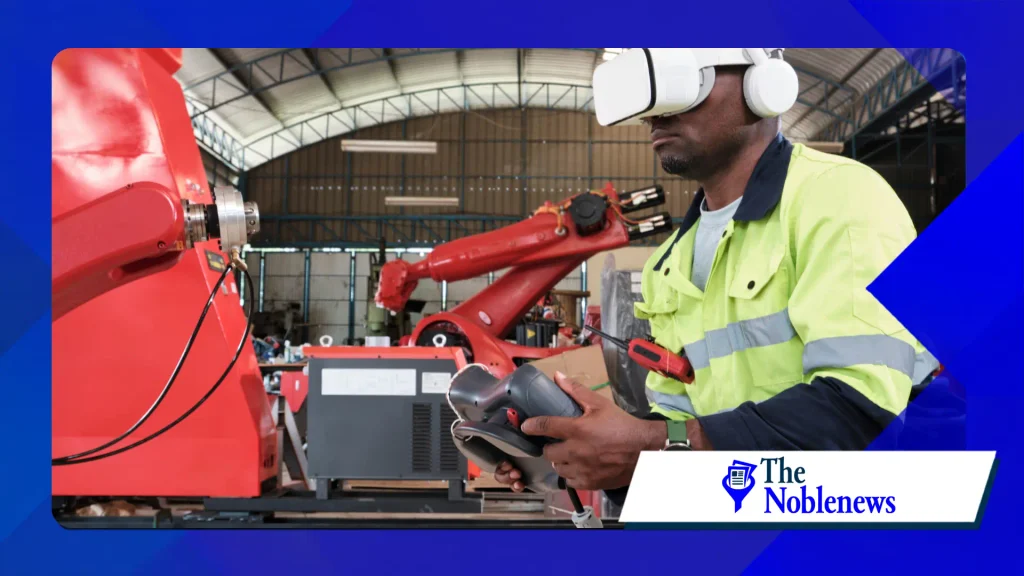
Häufig gestellte Fragen
Welche Hardware wird für die Ausführung von VR-Fertigungsabläufen benötigt?
Für räumliche Unternehmenslösungen werden typischerweise eigenständige oder PC-gebundene Enterprise-Headsets mit hochauflösenden Displays, Inside-Out-Spatial-Tracking, Lichtdesignprofilen und integrierten haptischen Handcontrollern verwendet.
Hochleistungsfähige Workstations, ausgestattet mit professionellen GPUs, gewährleisten flüssige Bildwiederholraten bei aufwändigen CAD-Rendering-Aufgaben.
Können VR-Systeme direkt in bestehende CAD- und PLM-Software integriert werden?
Ja. Moderne räumliche Unternehmensplattformen bieten native Konnektoren und API-Integrationen für wichtige PLM- und CAD-Ökosysteme, darunter Siemens NX, Dassault Systèmes CATIA, PTC Creo und Autodesk VRED.
Dies ermöglicht direktes Datenstreaming in Echtzeit ohne manuelle Dateikonvertierung.
Wie können virtuelle Arbeitsabläufe Materialausschuss und Nacharbeitskosten reduzieren?
Durch die Validierung von Montageabläufen und die Identifizierung räumlicher Interferenzen in digitalen 1:1-Umgebungen lösen Hersteller Probleme mit der physikalischen Passung und Toleranzen, bevor sie Metall schneiden oder Gussformen herstellen.
Dadurch werden Rohstoffverschwendung und kostspielige Nachbearbeitungen nach der Produktion vermieden.
Ist Virtual-Reality-Training für Industriearbeiter sicher?
Absolut. Das praxisnahe Training findet in offenen, kontrollierten Umgebungen fernab von in Betrieb befindlichen Maschinen, Hochspannungsanlagen und sich bewegenden Gefahrenquellen statt.
Techniker können risikoreiche Einsatzszenarien sicher erleben und so ihre Fähigkeiten im Umgang mit Notfällen ohne körperliche Gefahr ausbauen.
++ Virtuelle Realität in der Fertigung: Eine neue Dimension der Arbeitssicherheit
++ Wie verändern AR und VR die Fertigungsplanung und die Ausbildung von Industriedesignern?
