
Le retour des réinitialisations complètes dans les jeux lassés des saisons interminables
Annonces
Le retour des réinitialisations matérielles Il s'agit actuellement du débat le plus perturbateur dans le domaine de la conception de jeux, signalant une rupture chaotique mais nécessaire avec la routine infernale qui a caractérisé la dernière décennie.
Nous assistons à un épuisement collectif. Les joueurs sont las de voir leur vie numérique se transformer en un second emploi où les progrès se mesurent en augmentations infimes, à quelques décimales près, plutôt qu'en véritables triomphes.
Ce retour à zéro est moins une question de perte que de reconquête de la « phase lune de miel » du jeu vidéo.
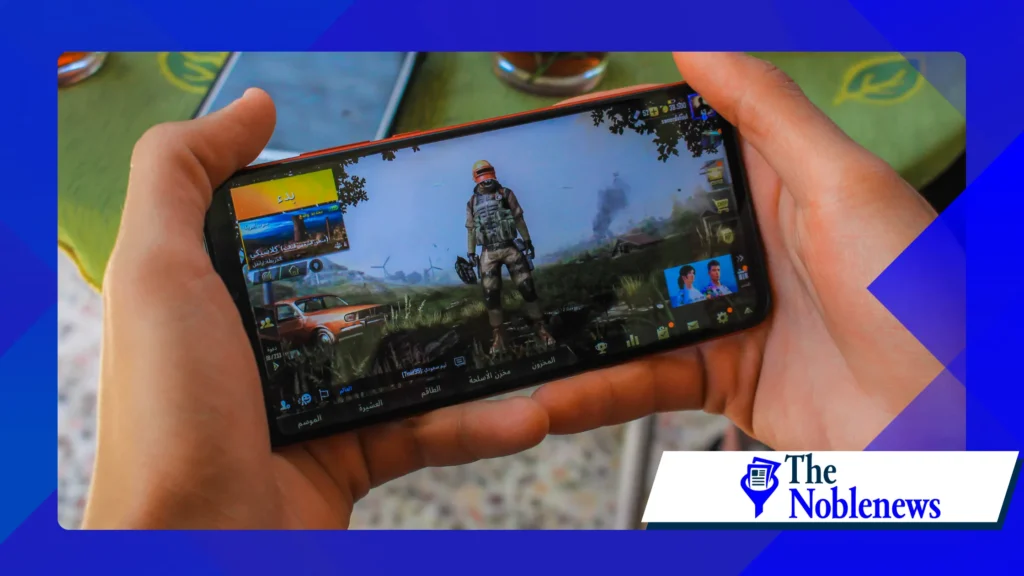
Résumé du quart de travail
- La transition psychologique du syndrome de Diogène au syndrome de Purge.
- Pourquoi les « réinitialisations logicielles » n'ont pas permis d'arrêter la dérive de puissance.
- L'attrait brut d'une égalité des chances.
- Comment les réinitialisations économiques préviennent l'hyperinflation numérique.
- La nécessité tactique de la culture du « jour de remise à zéro ».
Quelle est la signification du retour des réinitialisations matérielles en 2026 ?
Pendant longtemps, les développeurs ont eu une peur bleue de supprimer des fonctionnalités.
Le secteur a eu recours à des « réinitialisations en douceur », de légères compressions de statistiques permettant aux joueurs expérimentés de conserver leurs acquis tout en donnant l'illusion d'un nouveau départ. Ce fut une demi-mesure qui a finalement conduit à la stagnation.
Le retour des réinitialisations matérielles est un outil rudimentaire utilisé pour résoudre un problème complexe : l’accessibilité.
Lorsqu'un jeu ne se termine jamais, la barrière à l'entrée pour un nouveau joueur devient une montagne insurmontable d'équipement ancien et de devises obscures.
Partir de zéro – du néant absolu – crée une véritable ruée vers l'or locale. Dans ces moments-là, la communauté n'est pas divisée entre élites et nouveaux venus ; chacun est un survivant, luttant pour les mêmes ressources essentielles. C'est un facteur d'égalité qui faisait cruellement défaut aux jeux vidéo modernes.
Il ne s'agit pas d'une simple tendance, mais d'une refonte structurelle de notre rapport au temps. En définissant un début et une fin clairs, les développeurs permettent enfin aux joueurs de mener à bien une aventure et, plus important encore, de s'en éloigner sans prendre de retard indéfiniment.
Pourquoi les joueurs préfèrent-ils une réinitialisation complète à une accumulation saisonnière sans fin ?
Il y a quelque chose d'intrinsèquement étouffant chez un personnage qui possède tout. Dans de nombreux jeux en ligne à service continu, la « fin de partie » se transforme en une routine chorégraphiée où l'enjeu est inexistant. On ne joue pas ; on gère un domaine.
Le retour des réinitialisations matérielles Le jeu exploite la satisfaction primitive du début de partie. Trouver un fusil d'assaut basique le premier jour procure plus de tension que de dénicher sa dixième épée légendaire le 300e jour.
On le constate surtout avec la croissance fulgurante des jeux de tir à extraction et des simulations de survie. La réinitialisation des comptes est l'événement le plus attendu de l'année car elle rétablit les conséquences des actions. Vos connaissances du jeu sont conservées, mais votre filet de sécurité disparaît.
Ce cycle permet également de s'affranchir du « piège de l'efficacité ». Lorsque l'on n'est pas préoccupé par la préservation d'une version vieille de trois ans, on est plus enclin à expérimenter des stratégies originales et sous-optimales qui redonnent du plaisir au jeu.
Comment une réinitialisation complète améliore-t-elle l'intégrité compétitive dans l'eSport ?
Dans tout environnement concurrentiel persistant, le temps passé se fait souvent passer pour du talent.
Un vétéran pourrait gagner un duel non pas parce qu'il visait mieux, mais parce que son équipement a une réduction des dégâts de 15% de plus grâce à un grind qu'il a terminé en 2024.
Le retour des réinitialisations matérielles Cela supprime ces avantages artificiels. Cela oblige le « pro » à prouver sa valeur tous les quelques mois. Si vous êtes vraiment le meilleur, vous remonterez au sommet, peu importe la remise à zéro de votre équipement.
Des données récentes montrent que l'audience des ligues compétitives connaît des pics lors des réinitialisations de classement. Une nouvelle saison offre un récit captivant qu'un classement statique ne peut tout simplement pas reproduire.
Selon les analyses de marché de NouveauzooLes titres qui utilisent des réinitialisations totales constatent un renouvellement beaucoup plus diversifié de leurs 101 meilleurs joueurs, ce qui suggère un classement compétitif plus sain et plus mobile.
Quels genres de jeux bénéficient le plus d'une réinitialisation périodique de la progression ?
++ Pourquoi la tendance des jeux cosy attire les joueurs occasionnels du monde entier en 2026
Impact de la réinitialisation matérielle par genre (analyse 2026)
| Genre | Tension centrale | Changement de rétention | Réalité communautaire |
| Tireurs d'extraction | Rareté contre survie | +45% | Le « Wipe » est l'événement principal. |
| ARPG (Diablo/PoE) | Développer la créativité | +30% | Essentiel pour prévenir la méta-pourriture. |
| Survie (Rust/Ark) | Propriété foncière | +60% | Empêche les monopoles du « clan Alpha ». |
| Jeux de cartes numériques | Variance stratégique | +25% | Nécessaire pour la diversité des ponts. |
Quand les développeurs doivent-ils implémenter une réinitialisation matérielle plutôt qu'une réinitialisation logicielle ?
La décision se résume généralement à une question de « méta-pourriture ». Lorsque la communauté a résolu tous les casse-têtes et optimisé tous les chemins, le jeu meurt effectivement, même s'il est encore en ligne.
Une réinitialisation douce, c'est comme réarranger les chaises longues ; une réinitialisation dure, c'est comme construire un nouveau navire.
Le retour des réinitialisations matérielles La santé technique d'un jeu est particulièrement cruciale. Des années de données accumulées, d'éléments hérités et de failles exploitées créent une « dette technique » qui ralentit le développement et provoque une instabilité des serveurs.
Une réinitialisation totale permet aux développeurs d'injecter des changements d'équilibrage radicaux qui seraient impossibles dans un monde persistant.
On ne peut pas affaiblir une arme que tout le monde a passé deux ans à améliorer, mais on peut certainement la modifier quand tout le monde recommence à zéro.
Cependant, le timing est crucial. Une réinitialisation ne doit pas être perçue comme une punition, mais comme une invitation à un nouveau défi.
En savoir plus: Manettes alternatives pour joueurs PC : améliorent-elles réellement l’expérience de jeu ?
L’alignement sur les sorties de contenu majeures est le seul moyen de garantir que la « perte » soit éclipsée par la « nouveauté ».
Quels sont les risques liés aux réinitialisations fréquentes du jeu pour la fidélité des joueurs ? retour des réinitialisations matérielles
C'est un équilibre fragile. Si les réinitialisations sont trop fréquentes, le joueur a l'impression de courir sur un tapis roulant qui s'emballe sans qu'il puisse reprendre son souffle. Le sentiment d'accomplissement disparaît si la date limite approche à grands pas.
Le retour des réinitialisations matérielles Cela ne fonctionne que s'il existe un « semblant de progrès ». C'est là que beaucoup de studios échouent.
Il vous faut des trophées au niveau du compte, des récompenses cosmétiques, ou même un simple panthéon pour valider les heures passées lors du cycle précédent.
La communication représente l'autre obstacle majeur. Rien n'est plus néfaste pour une communauté qu'une réinitialisation surprise des données. Les joueurs doivent connaître le calendrier afin de pouvoir s'investir pleinement lors des dernières semaines de la saison sans crainte.
++ Le rôle des médias sociaux dans la promotion des nouveaux films
Certains jeux atténuent la déception en proposant les « Royaumes Éternels ». Ces derniers font office de musée numérique où vos anciens personnages peuvent continuer à vivre, même si le reste du monde a évolué. C'est un compromis qui respecte l'attachement des joueurs occasionnels à leur avatar.
Le virage stratégique vers une longévité cyclique
Le retour des réinitialisations matérielles C'est admettre que l'immortalité numérique est ennuyeuse. On observe un changement de paradigme, passant de la simple augmentation du contenu à des boucles de jeu plus intéressantes. C'est une approche plus authentique de la création de jeux.
En 2026, les jeux les plus réussis seront ceux qui acceptent leur propre mortalité.
Ils comprennent qu'un jeu est une série de choix intéressants, et que ces choix n'ont d'importance que lorsqu'il faut les refaire dans des circonstances différentes.
Il ne s'agit pas de supprimer des données, mais de mettre en valeur des expériences. En faisant table rase du passé, les développeurs nous incitent à délaisser nos écrans d'inventaire pour nous concentrer sur l'univers qu'ils ont créé.
L'ère des trésors infinis touche à sa fin. L'avenir appartient au cycle : l'ascension, le sommet et l'inévitable et glorieux retour au point de départ.
Pour une analyse plus approfondie de l'influence de la conception systémique sur le comportement des joueurs sur différentes plateformes, consultez les archives techniques à l'adresse suivante : Développeur de jeux demeure la norme du secteur en matière d'analyse post-mortem.
Questions fréquemment posées
Une réinitialisation complète signifie-t-elle que je perds mes skins payants ?
Quasiment jamais. Les modèles de revenus en 2026 reposent sur la distinction « Compte vs. Personnage ». Vos achats sont permanents ; votre niveau de puissance est temporaire.
À quelle fréquence ces réinitialisations se produisent-elles généralement ?
La plupart des studios se sont accordés sur une période de 90 à 120 jours. C'est suffisamment long pour maîtriser les mécanismes, mais assez court pour que la méta « résolue » ne devienne pas oppressante.
Les MMORPG traditionnels vont-ils bientôt bénéficier d'une réinitialisation complète ?
On voit apparaître des « royaumes saisonniers » dans des jeux comme World of Warcraft et Final Fantasy XIVBien que le jeu principal reste persistant, les joueurs les plus actifs se tournent de plus en plus vers ces environnements à réinitialisation.
Existe-t-il un moyen d'éviter complètement les réinitialisations ?
Des ligues permanentes existent pour ceux qui détestent le cycle. Cependant, ces zones souffrent souvent d'une hyperinflation et d'un manque de nouveaux joueurs, ce qui en fait une expérience plus calme et plus solitaire.
++ Évolution de la réinitialisation matérielle
++ Ce retour a intérêt à être différent, Tigre
