
The rise of nature photography tourism around the world
Annonces
Nature photography tourism is no longer a niche hobby reserved for wildlife biologists or magazine photojournalists.
Driven by accessible mirrorless camera technology, satellite-linked field apps, and a growing global desire for immersive outdoor experiences, millions of travelers now build entire international itineraries around capturing the natural world through a lens.
From ethical polar bear tracking in Svalbard to macro-landscape expeditions in pristine national parks, camera-first travel is reshaping rural tourism economies, conservation funding mechanisms, and how fragile ecosystems manage visitor density.
Points clés à retenir
- Core Drivers: How advanced camera sensors, visual storytelling, and real-time navigation tech transformed casual eco-tourists into dedicated field photographers.
- Economic & Conservation Impact: Why camera-first travel generates sustainable revenue that funds habitat restoration and anti-poaching operations worldwide.
- Ethical Standards: Essential field protocols, buffer distances, and non-intrusive wildlife photography practices every modern photographer must follow.
- Prime Destinations: A detailed global breakdown of top regions, target wildlife species, and optimal shooting seasons.
- Future Trends: How micro-weather forecasting tools and quiet camera technology shape nature photography through 2026.
What Is Nature Photography Tourism and Why Is It Growing So Fast?
Nature photography tourism combines eco-tourism, adventure travel, and visual arts into a single focused journey.
Instead of ticking off generic tourist landmarks, photographers organize trips around specific wildlife migrations, rare botanical blooms, or unique atmospheric lighting conditions.
The rapid growth of nature photography tourism reflects a fundamental cultural shift in outdoor recreation.
Early travel photography relied on quick vacation snapshots taken on the move. Today, camera-first travel prioritizes patience, environmental engagement, and visual craftsmanship.
Dramatic equipment improvements have lowered the technical barrier to entry for everyday enthusiasts.
Modern mirrorless camera systems feature AI-assisted autofocus engines that track animal eyes through dense jungle canopy, allowing passionate amateurs to capture action shots once reserved exclusively for veteran field experts.
Beyond traditional hardware, dedicated mobile software allows outdoor photographers to monitor cloud cover density, storm movements, and celestial alignments in real-time.
++ Du studio à la rue : comment la photographie est devenue une forme d'art démocratique
Photographers can map solar trajectories, track aurora forecasts down to the minute, and navigate remote wilderness trails with pinpoint accuracy.
How Does Camera-First Travel Support Local Economies and Conservation?
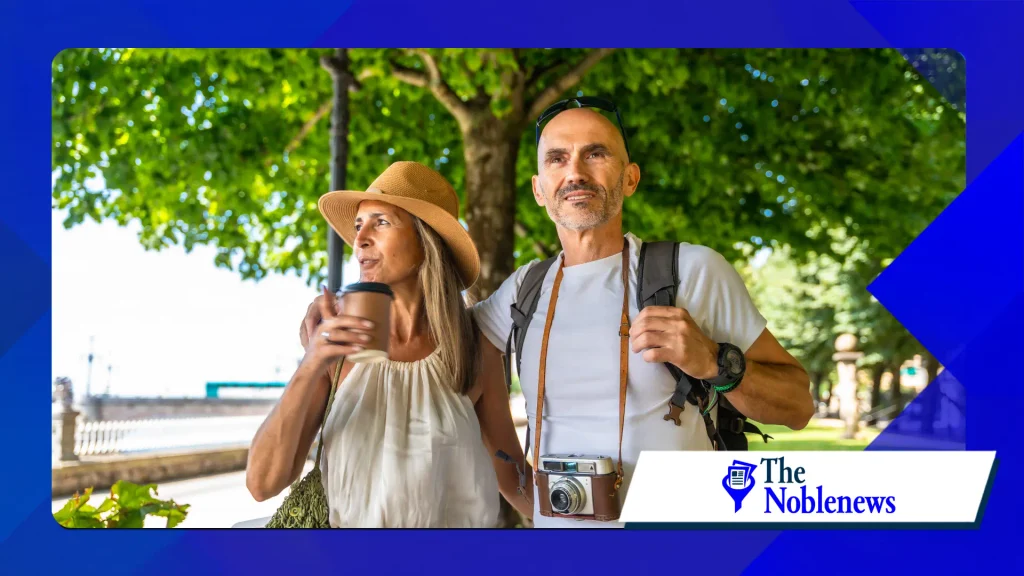
Conservation organizations and wildlife management agencies increasingly view photographic expeditions as primary drivers of sustainable rural income.
Nature photographers generally stay longer in a destination than standard sightseers, requiring specialized guiding services, custom off-road transport, and eco-lodge accommodations.
This economic structure creates a powerful financial incentive to protect endangered wildlife and preserve threatened habitats.
When living wild animals generate continuous income through recurring photographic tours, host communities actively fight poaching, illegal logging, and land clearing.
Recherches mises en lumière par World Wildlife Fund demonstrates that community-led wildlife tourism directly finances habitat protection while offering remote populations a sustainable alternative to extractive industries.
High-value, low-impact photographic travel turns biodiversity into a community’s most valuable long-term asset.
Global Highlights for Nature Photography Expeditions
| Destination Region | Primary Photographic Subjects | Optimal Shooting Windows | Key Field Highlights |
| Svalbard Archipelago | Polar Bears, Glacial Fjords, Walruses | March – May & August – October | Low arctic light, pack ice navigation, polar landscapes |
| Pantanal, Brazil | Jaguars, Giant River Otters, Hyacinth Macaws | July – October (Dry Season) | Riverboat tracking, high big-cat density, open wetlands |
| Katmai National Park, Alaska | Coastal Brown Bears, Pacific Salmon | July – September | Falls fishing behavior, pristine river estuaries |
| Maasai Mara, Kenya | Great Migration, Apex Predators, Savannahs | July – October | River crossings, dramatic savannah sunsets, high wildlife volume |
| Westfjords, Iceland | Arctic Foxes, Nesting Seabirds, Coastal Fjords | June – August (Midnight Sun) | 24-hour shooting light, dramatic coastal cliffs, arctic mammals |
Why Are Ethical Guidelines Essential for Modern Field Photographers?
Increased visitor volume places natural habitats under significant ecological pressure.
Responsible field photography requires strict adherence to ethical standards that prioritize animal welfare and habitat preservation over getting a shot.
Disturbing wildlife through artificial baiting, predatory call playbacks, or crowding animals during feeding or mating cycles causes severe physiological stress.
Professional field guides insist on strict minimum buffer distances, relying on high-magnification telephoto lenses to document natural behaviors without disturbing subjects.
Industry guidelines established by the North American Nature Photography Association emphasize that no photograph is worth risking an animal’s safety, disrupting nesting grounds, or damaging fragile vegetation.
Core Principles of Ethical Wildlife Photography
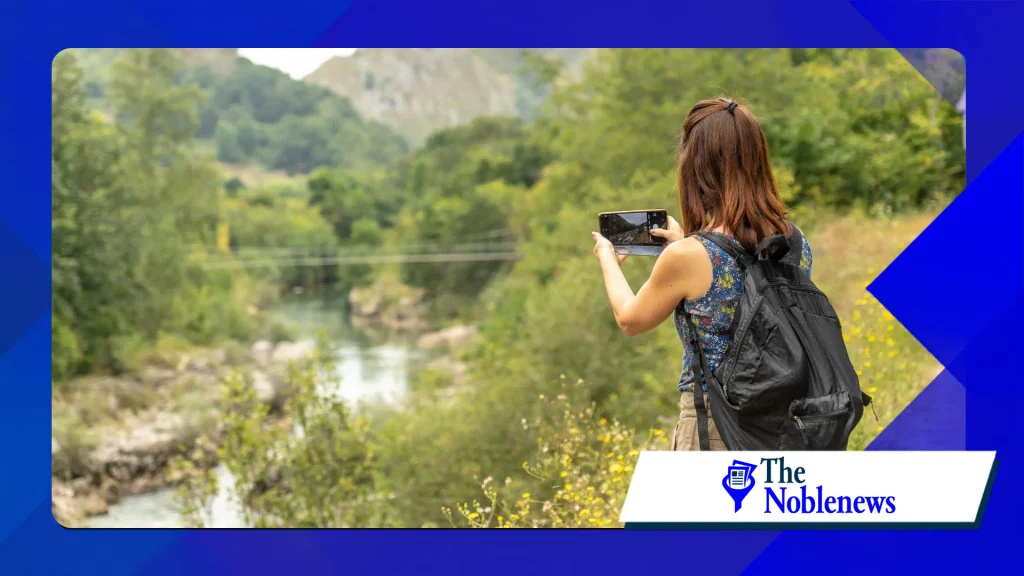
Maintain Respectful Distance: Use telephoto focal lengths (400mm to 800mm) to capture natural behaviors without triggering stress responses or defensive behavior.
Eliminate Artificial Attractants: Never bait predators or use acoustic call playbacks, as these practices alter natural hunting patterns and habituate animals to human presence.
++ Pourquoi les communautés de photographie argentique continuent-elles de se développer en ligne ?
Follow Tread-Lightly Protocols: Stay on established trails and river routes to protect delicate cryptobiotic soils, alpine tundras, and coastal nesting habitats.
Respect Local Flight Regulations: Avoid operating drones near nesting birds, marine mammals, or protected wilderness zones where aerial noise causes panic.
Which Destinations Lead the Global Nature Photography Boom?
Certain international destinations have emerged as premier focal points for photographic travel due to their exceptional biodiversity, striking landscapes, and well-developed guiding infrastructure.
The Pantanal, Brazil
As the planet’s largest tropical wetland, the Pantanal offers unmatched visibility for tracking elusive South American wildlife.
During the dry season, specialized riverboats navigate winding waterways where photographers can observe wild jaguars hunting along exposed sandbars in open daylight.
++ Comment les vinyles de bandes originales de films sont redevenus des objets de collection prisés
The Svalbard Archipelago, Norway
Located deep within the Arctic Circle, Svalbard gives wildlife photographers access to polar ice landscapes, walrus colonies, and arctic foxes.
Expeditions aboard ice-strengthened vessels offer safe opportunities to photograph polar bears roaming sea ice under soft arctic light.
Katmai National Park, Alaska
Katmai provides one of North America’s most iconic wildlife spectacles.
As millions of sockeye salmon swim upstream during the summer run, brown bears gather at waterfalls and gravel bars, offering photographers incredible close-up opportunities to document apex predator hunting techniques.
How Are Emerging Technologies Shaping Photography Expeditions?
Rapid technological innovation continues to refine how field photography trips are planned and conducted in remote regions.
Thermal optics now allow field trackers to locate camouflaged wildlife in dense jungle thickets before sunrise, preventing accidental animal flush responses and improving viewing safety.
Modern mirrorless cameras equipped with silent electronic shutters permit high-speed burst capture with zero mechanical noise.
Photographers can document sensitive moments—such as maternal feeding or subtle predator stalking—without introducing disturbing sounds into quiet environments.
Compact satellite communicators now provide instant micro-weather forecasts, interactive topographic maps, and emergency connectivity across isolated wilderness zones, making remote photography expeditions safer and more efficient than ever before.
Questions fréquemment posées
Do I need professional camera equipment to join a photography tour?
No. While fast telephoto lenses help with distant wildlife, mid-range mirrorless cameras and advanced bridge cameras produce excellent results.
Understanding animal behavior, lighting angles, and patient field positioning matters far more than owning top-tier gear.
How do photography tours differ from traditional wildlife safaris?
Photography tours move at a much slower, more deliberate pace.
Field guides position vehicles or boats specifically around light directions, background compositions, and natural animal behaviors rather than rushing quickly from one species sighting to another.
Are nature photography workshops suitable for beginner photographers?
Yes. Specialized tour operators welcome participants of all experience levels.
Professional photo instructors provide hands-on field coaching that covers camera settings, composition techniques, exposure control, and ethical tracking strategies throughout the trip.
++ The power of nature photography: An interview with Michael Snedic
++ Capture Earth’s Wonders – Celebrate Nature Photography Day!
