
Formazione sul posto di lavoro con realtà virtuale: riduzione del rischio e dell'errore umano
Annunci
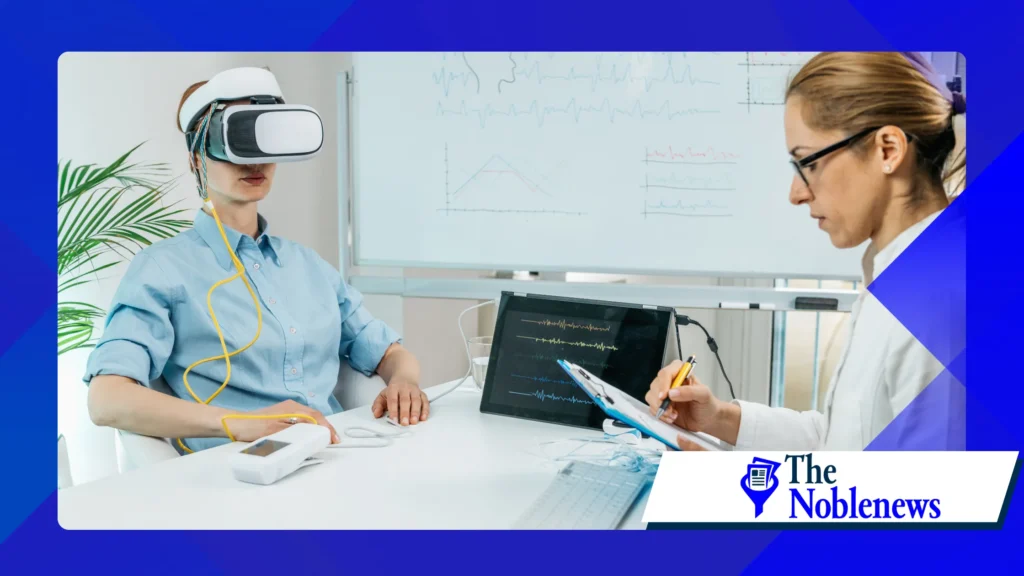
Formazione sul posto di lavoro tramite realtà virtuale Da novità ad alta tecnologia si è trasformata in un'infrastruttura di sicurezza imprescindibile, specificamente progettata per smantellare la persistente minaccia dell'errore umano nei settori ad alto rischio.
Riepilogo
- Il divario sensoriale: Perché leggere un manuale non è la stessa cosa che sopravvivere a una crisi.
- Imprinting neurologico: Come la realtà virtuale sviluppa la memoria muscolare senza causare lividi fisici.
- Realtà economica: Misurare il ritorno sull'investimento (ROI) di una forza lavoro che non commette errori da principiante.
- Il cambiamento del 2026: Andare oltre la semplice estetica per approdare ad ambienti bio-reattivi.
Qual è il ruolo della formazione sul posto di lavoro tramite realtà virtuale nella sicurezza moderna?
I responsabili della sicurezza si trovano spesso ad affrontare un incubo ricorrente: preparare una squadra per un evento catastrofico che, per sua stessa natura, è impossibile da simulare in sicurezza nel mondo reale.
Fissare una noiosa presentazione PowerPoint in una sala pausa illuminata da luci fluorescenti raramente si traduce in competenza quando una valvola ad alta pressione si guasta o una perdita di sostanze chimiche inizia a diffondersi sul pavimento di una fabbrica.
Attraverso formazione sul posto di lavoro tramite realtà virtualeIn questo modo, colmiamo efficacemente questo divario cognitivo, costringendo il cervello a trattare una simulazione digitale con la stessa urgenza ormonale di un'emergenza reale.
Non si tratta semplicemente di guardare uno schermo; si tratta di innescare la risposta di "presenza" per cui la mente subconscia accetta il pericolo digitale come una realtà immediata e tangibile da risolvere.
Entro il 2026, questi sistemi si saranno evoluti per monitorare il battito cardiaco e lo sguardo del tirocinante, identificando con precisione quando lo stress porta alla visione a tunnel, un precursore comune di errori operativi fatali sul campo.
In che modo la simulazione in realtà virtuale riduce efficacemente l'errore umano?
Gli errori sul lavoro di solito non derivano da una mancanza di conoscenza, ma piuttosto da un calo di concentrazione quando l'ambiente diventa caotico o opprimente.
Ripetere una sequenza mille volte con una cuffia in cuffia permette a un tecnico di raggiungere uno stato di padronanza fluida e subconscia, spesso definito dagli esperti come "memoria muscolare procedurale".
Questa immersione consente un "fallimento sicuro", un lusso psicologico in cui un lavoratore può assistere alle conseguenze esplosive di una scelta sbagliata senza danneggiare effettivamente se stesso o le risorse dell'azienda.
Invece di un supervisore che segnala un errore con cinque minuti di ritardo, formazione sul posto di lavoro tramite realtà virtuale Fornisce un feedback istantaneo e viscerale che corregge il comportamento nell'esatto momento del fallimento.
Questo reindirizzamento immediato impedisce al cervello di "consolidare" una cattiva abitudine, garantendo che il percorso neurale corretto diventi dominante prima ancora che il lavoratore metta piede in reparto.
Perché la formazione in realtà virtuale è più conveniente rispetto ai metodi tradizionali?
Il costo elevato dell'hardware di livello aziendale spesso impedisce ai dirigenti di rendersi conto dei costi, silenziosi e crescenti, della formazione tradizionale, che frequentemente richiede ingenti budget per i viaggi e significativi tempi di inattività operativa.
Arrestare una linea di produzione per un'esercitazione di sicurezza è una pratica costosa e ormai superata; i gemelli digitali consentono cicli di formazione 24 ore su 24, 7 giorni su 7, senza mai interrompere il flusso effettivo di ricavi.
C'è anche una profonda differenza di velocità. Dati da Studio di PwC sull'apprendimento tramite realtà virtuale Ciò suggerisce che gli studenti che apprendono attraverso metodi immersivi acquisiscono competenze quasi quattro volte più velocemente rispetto a quelli che frequentano le aule tradizionali.
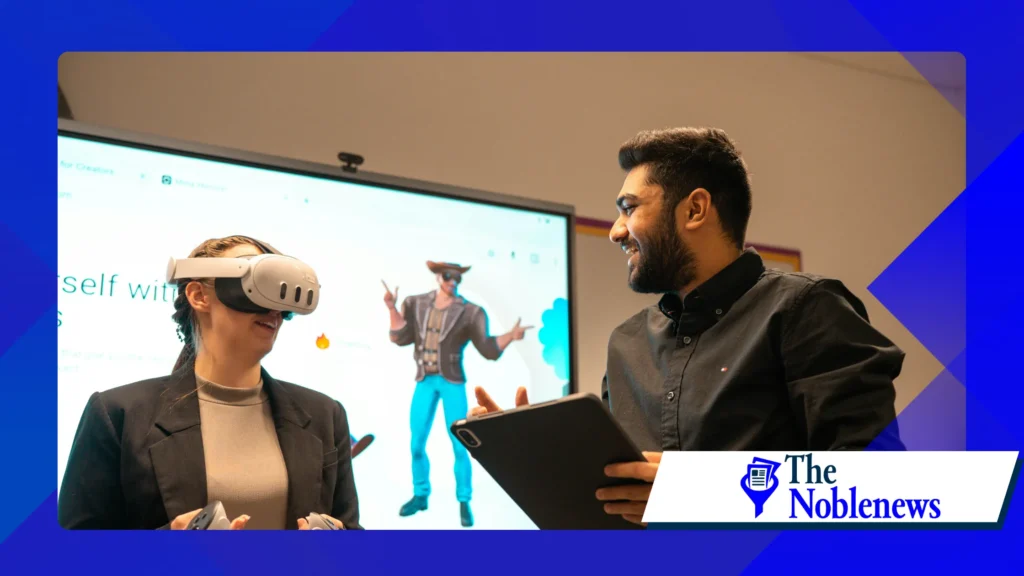
Nel momento in cui un dipendente formato in aula ha completato metà del manuale, un collega formato in realtà virtuale ha già "sperimentato" l'attività diverse volte, il che si traduce in una curva di apprendimento operativo molto più rapida.
In definitiva, il risparmio più significativo non risiede nel budget destinato alla formazione, bensì nell'aver evitato un singolo incidente da milioni di dollari, un incidente che non si è mai verificato perché un lavoratore sapeva esattamente cosa fare.
Quali settori industriali traggono maggior beneficio da una formazione immersiva sulla sicurezza?
Nel settore energetico offshore, dove l'ospedale più vicino potrebbe essere raggiungibile solo in elicottero, la possibilità di esercitarsi nelle procedure di arresto di emergenza in mezzo a una tempesta digitale è letteralmente salvavita.
L'aviazione continua a spingere i limiti di questa tecnologia, utilizzando la realtà virtuale per simulare rari guasti meccanici che sono troppo pericolosi da riprodurre anche nei simulatori di volo fisici più avanzati.
Le équipe mediche stanno ora adottando questi strumenti per orientarsi nella "nebbia della guerra" nei centri traumatologici, consentendo ai chirurghi di esercitarsi in manovre ad alto rischio su modelli digitali specifici per il paziente prima di effettuare un'incisione.
++ Il ruolo dell'aptica della realtà virtuale nelle esperienze utente di nuova generazione
Nei cantieri edili, notoriamente imprevedibili, queste simulazioni vengono utilizzate per individuare pericoli "invisibili" come sovrapposizioni di cavi elettrici o punti deboli strutturali, molto prima che i macchinari pesanti arrivino effettivamente sul luogo di lavoro.
Impatto nel mondo reale: metriche di efficienza e sicurezza della formazione
| Categoria metrica | Formazione tradizionale | Formazione basata sulla realtà virtuale | Fonte dei dati (2025/26) |
| Conservazione delle conoscenze | 10% – 20% | 75% – 80% | Laboratori di formazione nazionali |
| Tempo di allenamento | 2 ore | 30 minuti | Statistiche leader del settore |
| Riduzione degli infortuni | Linea di base | 43% Diminuzione | Casi di studio OSHA |
| Costo per tirocinante | Alto (Viaggi/Logistica) | Basso (Software scalabile) | Rapporti aziendali |
Quando le aziende dovrebbero implementare la formazione sul posto di lavoro tramite realtà virtuale?
Il punto di partenza più logico è durante la fase iniziale di inserimento, stabilendo elevati standard di sicurezza prima che il nuovo assunto abbia la possibilità di essere influenzato dalle "scorciatoie" adottate dai colleghi più anziani.
È altrettanto fondamentale quando si introducono macchinari nuovi e complessi; lo spazio virtuale offre ai tecnici un ambiente in cui apprendere le sfumature di una nuova interfaccia senza il timore di commettere errori.
Il vero valore risiede negli intervalli regolari di "aggiornamento", che impediscono la graduale insinuazione di compiacimento che spesso porta ad incidenti tra i lavoratori esperti che pensano di aver visto tutto.
Per saperne di più: Come la realtà virtuale sta cambiando l'addestramento militare
Stiamo assistendo a una transizione verso scenari basati sull'intelligenza artificiale che si adattano in tempo reale, il che significa che non esistono due sessioni identiche, mantenendo la mente del lavoratore attiva e preparata ad affrontare gli imprevisti.
Quali sono i vantaggi psicologici dell'apprendimento immersivo?
L'intensità di un ambiente immersivo sviluppa la resilienza emotiva, insegnando ai lavoratori a mantenere la calma quando le cose vanno male: un'abilità che nessun manuale può trasmettere in modo adeguato.
Quando un tirocinante "sente" il calore o ode il rombo di una simulazione di avaria al motore, il ricordo gli rimane impresso; non è più una regola che ha letto, ma un'esperienza a cui è sopravvissuto.
Questo passaggio dall'osservazione passiva alla partecipazione attiva cambia la natura stessa del rapporto tra il lavoratore e il suo ambiente, favorendo una cultura profondamente radicata di autentica sicurezza.
++ Come i giochi da tavolo stanno tornando di moda tra i geek
Fornendo questi strumenti, un'azienda dimostra di attribuire sufficiente valore alla vita dei propri dipendenti da investire nelle tecnologie di protezione più avanzate disponibili nell'era industriale moderna.
Prospettiva
Il passaggio alla formazione immersiva non è dettato dalla rincorsa di una tendenza digitale, bensì dal riconoscimento che il cervello umano non è strutturato per apprendere le norme di sicurezza attraverso immagini statiche ed elenchi puntati.
Mettendo i lavoratori al centro dell'azione, ma senza il rischio fisico, stiamo finalmente affrontando la causa principale degli incidenti sul lavoro: il divario tra sapere cosa fare e avere la memoria muscolare istintiva per farlo effettivamente.
Guardando al futuro del lavoro, coloro che adotteranno queste simulazioni saranno coloro che definiranno il nuovo standard di eccellenza operativa.
Per saperne di più sui parametri e gli standard di sicurezza federali, visita il sito Amministrazione per la sicurezza e la salute sul lavoro (OSHA) sito web.
FAQ: Domande frequenti
1. Questa tecnologia è eccessiva per lavori non pericolosi?
Assolutamente no. Sebbene la "sicurezza" sia l'aspetto più discusso, la realtà virtuale è altrettanto efficace per lo sviluppo di competenze trasversali, come la gestione e la disinnesco di conflitti con i clienti o la simulazione di scenari di leadership ad alto rischio in un contesto aziendale.
2. Come possiamo misurare se la formazione ha effettivamente funzionato?
Le piattaforme moderne generano "mappe di calore" che mostrano dove un tirocinante ha rivolto lo sguardo e registrano ogni suo movimento, fornendo un quadro dettagliato delle competenze di un lavoratore basato sui dati, cosa che un test scritto non può eguagliare.
3. I lavoratori opporranno resistenza all'uso delle cuffie?
L'hardware attuale del 2026 è leggero e intuitivo. La maggior parte dei dipendenti trova la natura ludica della formazione molto più coinvolgente e meno faticosa rispetto a una lezione di otto ore o a una serie di video.
4. È possibile personalizzare le simulazioni in realtà virtuale per specifici cantieri?
Assolutamente. Molte aziende creano ormai dei "gemelli digitali" delle proprie strutture, in modo che i lavoratori si formino nello stesso identico ambiente in cui andranno a lavorare, fin nei minimi dettagli, compresa la posizione precisa degli estintori.
++ La realtà virtuale nella prevenzione per evitare errori umani
++ Realtà virtuale e simulazioni: trasformare la formazione dei dipendenti e ridurre gli errori
\