
Come le simulazioni industriali in realtà virtuale migliorano la pianificazione di fabbrica
Annunci
La pianificazione tradizionale della produzione industriale si basa su modelli CAD statici e lunghi cicli di prototipazione fisica.
Questo approccio costa ai produttori milioni di dollari in modifiche di layout successive al lancio, rivalutazioni della sicurezza e perdita di produttività.
Oggi, l'informatica spaziale sta trasformando il modo in cui i team di ingegneri progettano e ottimizzano gli impianti di produzione.
Integrazione Simulazioni industriali in realtà virtuale L'integrazione di queste informazioni nella progettazione preliminare degli impianti consente ai team di ingegneri di visualizzare i flussi di lavoro, convalidare l'ergonomia e testare i colli di bottiglia operativi prima di gettare anche una sola lastra di cemento.
Punti chiave
- Prototipazione virtuale: L'immersione sostituisce le congetture, consentendo la collaborazione in tempo reale tra team di ingegneri a livello globale.
- Ottimizzazione ergonomica e della sicurezza: La simulazione precoce incentrata sull'uomo riduce i rischi di infortuni e le costose modifiche operative successive all'impiego sul campo.
- Riduzione dei costi: L'individuazione digitale dei conflitti di zonizzazione riduce significativamente gli sforamenti di spesa in conto capitale.
- Flussi di lavoro basati sui dati: L'abbinamento della realtà virtuale con i gemelli digitali accelera il time-to-market per gli impianti di produzione moderni.
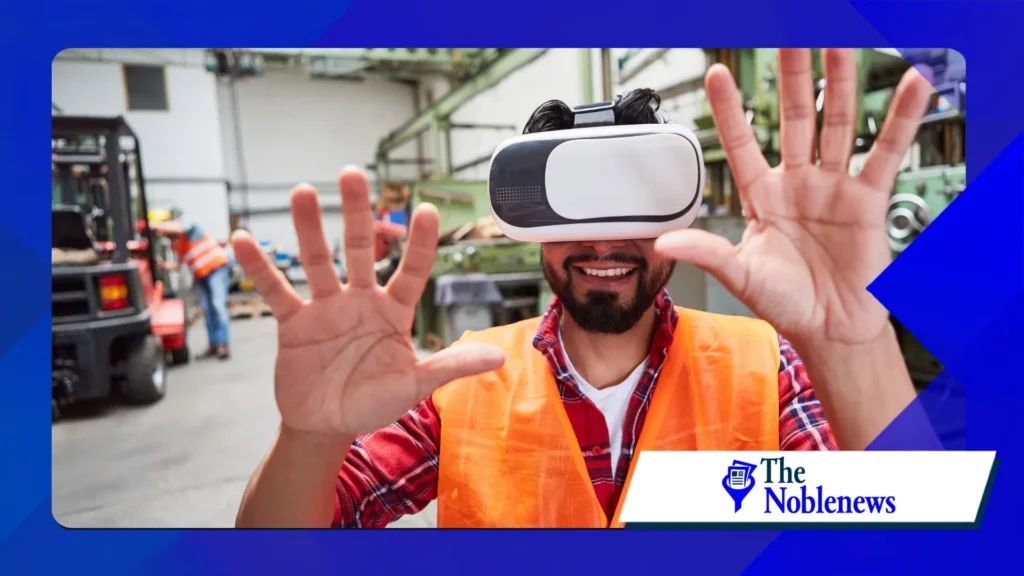
Che cosa sono le simulazioni industriali in realtà virtuale nella produzione moderna?
Una simulazione industriale in realtà virtuale crea un ambiente digitale interattivo, in scala 1:1, di un impianto di produzione.
Gli ingegneri utilizzano visori montati sulla testa (HMD) e sensori di tracciamento del movimento per percorrere virtualmente, valutare e testare la disposizione degli impianti di produzione.
A differenza dei tradizionali software di progettazione assistita da computer (CAD) 3D visualizzati su schermi piatti, gli ambienti spaziali immersivi offrono una percezione immediata della profondità e della scala.
I progettisti valutano lo spazio libero intorno ai macchinari pesanti, i limiti di portata degli operatori e la linea di visuale per i conducenti di carrelli elevatori senza costruire modelli fisici.
I sistemi moderni si sincronizzano direttamente con i database di gestione del ciclo di vita del prodotto (PLM) e di pianificazione delle risorse aziendali (ERP).
I dati CAD e PLM aziendali confluiscono nei motori di rendering in tempo reale, offrendo un ambiente VR immersivo 1:1 per test ergonomici, analisi dei flussi di lavoro e verifiche delle collisioni.
Questa integrazione garantisce che qualsiasi modifica spaziale apportata all'interno dell'ambiente virtuale aggiorni automaticamente le specifiche ingegneristiche sottostanti.
In che modo la pianificazione immersiva del layout riduce le spese in conto capitale?
Gli errori di progettazione degli impianti, scoperti durante l'installazione delle apparecchiature, provocano enormi sforamenti di budget.
Spostare una cella robotizzata installata o reindirizzare i binari dei nastri trasportatori aerei interrompe i programmi di produzione e comporta un notevole dispendio di capitali.
Grazie a simulazioni immersive, i team interfunzionali individuano tempestivamente collisioni fisiche e vincoli spaziali.
I tecnici della manutenzione verificano se possono accedere ai pannelli critici con strumenti standard, mentre i coordinatori della logistica controllano lo spazio necessario ai carrelli nei corridoi stretti.
Secondo i parametri di riferimento del settore, risolvere i conflitti di spazio durante la fase di progettazione digitale costa fino a 100 volte meno rispetto alla modifica delle attrezzature fisiche in fabbrica.
Ricerca evidenziata da Istituto Nazionale di Standard e TecnologiaSi sottolinea come la convalida digitale precoce semplifichi notevolmente i flussi di lavoro della produzione avanzata e prevenga costosi tempi di inattività operativa.
Perché la validazione ergonomica è fondamentale prima della messa in produzione?
La sicurezza e il benessere fisico degli operatori hanno un impatto diretto sulla produttività a lungo termine della fabbrica e sulle richieste di risarcimento per infortuni sul lavoro.
Le tradizionali valutazioni ergonomiche avvengono dopo l'installazione sulla linea di assemblaggio, costringendo le aziende ad adattare soluzioni a posteriori su postazioni di lavoro progettate in modo inadeguato.
++ Come le revisioni ingegneristiche della realtà virtuale individuano i conflitti di progetto nascosti
Grazie a strumenti di simulazione immersiva dotati di sistemi di acquisizione del movimento di tutto il corpo, gli igienisti industriali analizzano i modelli di movimento in tempo reale.
Valutano le zone di intervento, gli angoli di curvatura e i rischi di sforzo ripetitivo, mentre la linea esiste esclusivamente sotto forma di software.
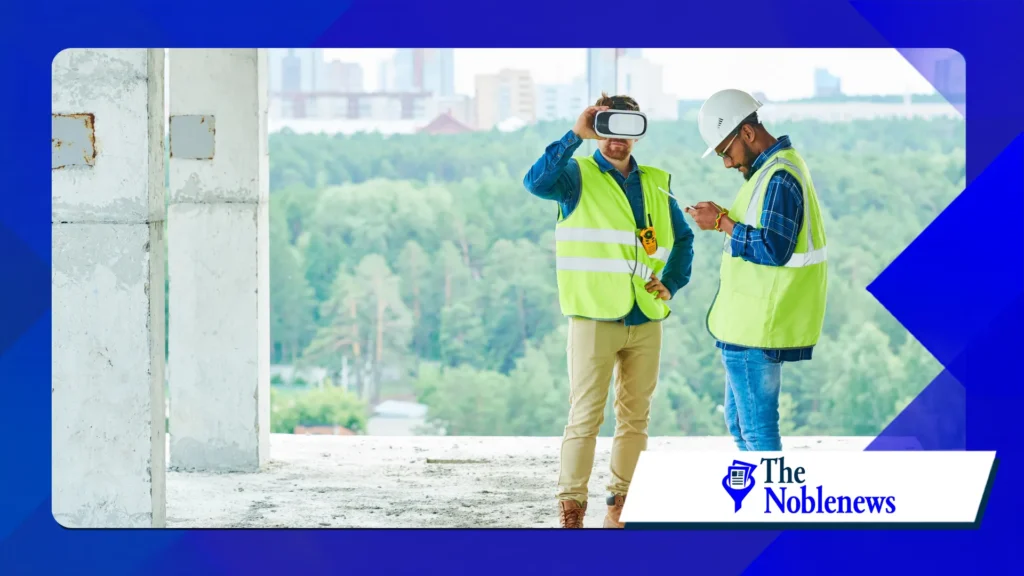
Principali parametri ergonomici validati in ambienti virtuali:
Punteggi RULA/REBA: I punteggi del test Rapid Upper Limb Assessment e del test Rapid Entire Body Assessment vengono generati automaticamente durante le simulazioni di attività.
Vista e linea di visuale: Verifica diretta della visibilità per il controllo qualità e l'identificazione dei rischi per la sicurezza.
Per saperne di più: Il ruolo dei tutor di intelligenza artificiale in realtà virtuale nell'apprendimento personalizzato
Requisiti di forza: Calcoli dinamici del carico per garantire che le attività di sollevamento rimangano entro i limiti previsti dalle normative in materia di salute e sicurezza sul lavoro.
Pianificazione tradizionale vs. simulazioni industriali in realtà virtuale
| Dimensione di pianificazione | Disegno CAD/2D tradizionale | Simulazioni industriali in realtà virtuale |
| Percezione spaziale | Modelli astratti 2D/3D su monitor piatti | Ambiente 3D completamente immersivo in scala 1:1 |
| Collaborazione delle parti interessate | Presentazioni statiche e revisioni di progetti | Sessioni di progettazione interattive multiutente |
| Test ergonomici | Valutazione fisica post-installazione | pre-costruzione dell'analisi predittiva della cattura del movimento |
| Rilevamento dei difetti di progettazione | Fase finale (durante l'installazione fisica) | Fase iniziale (durante la fase concettuale) |
| Tempo di messa in servizio | Più lento a causa dei cicli di riattrezzaggio fisico | Più veloce grazie ai flussi di lavoro virtuali pre-validati |
Quali strategie di integrazione fondamentali garantiscono il massimo ritorno sull'investimento?
L'implementazione efficace di strumenti di simulazione spaziale richiede una strategia strutturata. Fornire hardware ai team di ingegneri senza protocolli di integrazione chiari porta a bassi tassi di adozione.
++ L'ascesa della biologia sintetica e le sue applicazioni nel mondo reale
1. Collega i modelli virtuali direttamente ai dati IoT in tempo reale
Collega la piattaforma di simulazione direttamente all'ecosistema del gemello digitale della tua struttura.
L'integrazione dei dati in tempo reale provenienti dai sensori dei macchinari in funzione nel layout virtuale permette di ottenere mappe termiche accurate, modelli di rumore e colli di bottiglia nella movimentazione dei materiali.
2. Coinvolgere gli operatori di assemblaggio fin dalle prime fasi del ciclo di progettazione.
Coinvolgere i tecnici in prima linea nelle simulazioni virtuali durante la fase di progettazione concettuale.
Gli operai esperti in officina individuano problemi pratici di usabilità che gli ingegneri seduti davanti al computer spesso trascurano.
3. Istituire librerie di risorse standardizzate
Mantenere una libreria centralizzata di modelli 3D di apparecchiature pre-validati.
La standardizzazione dei componenti in tutta l'azienda accelera la generazione dei layout e garantisce la fedeltà tecnica in tutti i progetti di impianti a livello globale.
Le iniziative federali in materia di sicurezza e tecnologia, come quelle monitorate dal Dipartimento del Lavoro degli Stati Uniti, evidenziano costantemente come l'identificazione proattiva dei pericoli sul luogo di lavoro riduca i profili di rischio complessivi in tutti i settori industriali.
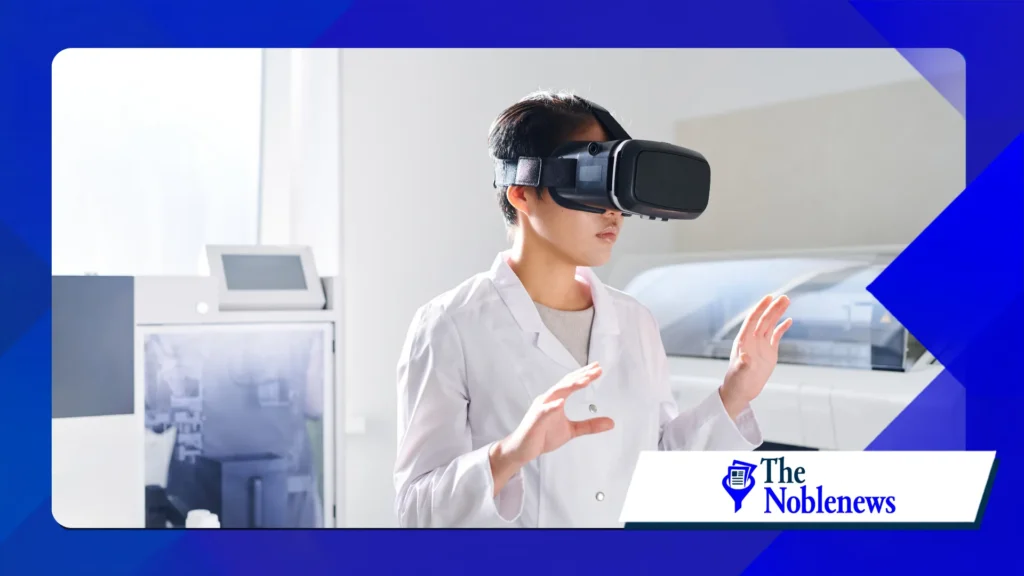
In che modo la realtà virtuale accelera la formazione e l'inserimento dei nuovi dipendenti?
Oltre alla progettazione del layout, le simulazioni industriali in realtà virtuale offrono ambienti di formazione immersivi per gli operai delle catene di montaggio prima ancora che gli stabilimenti di produzione fisici vengano realizzati.
Gli operatori apprendono complesse sequenze di assemblaggio, l'utilizzo degli strumenti e i protocolli di emergenza in ambienti virtuali privi di rischi.
Questo approccio proattivo riduce i tempi di avviamento fino a 50%, minimizza gli errori iniziali sulla linea di produzione e garantisce un'esecuzione operativa impeccabile fin dal primo giorno di avvio dell'impianto.
Quali sono le prospettive future per l'ottimizzazione spaziale degli impianti industriali?
La convergenza tra intelligenza artificiale, rendering in cloud e calcolo spaziale ridefinirà completamente i flussi di lavoro dell'ingegneria industriale nei prossimi anni.
Gli agenti di intelligenza artificiale ora eseguono simultaneamente milioni di permutazioni di layout all'interno di uno spazio virtuale, presentando opzioni di ottimizzazione basate su efficienza energetica, produttività ed ergonomia.
La simulazione di complesse problematiche logistiche, della collaborazione uomo-robot e dei flussi di materiali interamente in ambienti virtuali elimina la necessità di procedere per tentativi ed errori nella produzione.
Le aziende che adottano questi strumenti di validazione spaziale ottengono un vantaggio decisivo in termini di agilità, sicurezza ed eccellenza operativa.
Domande frequenti
In che modo le simulazioni industriali in realtà virtuale si integrano con i software CAD esistenti?
La maggior parte delle piattaforme di simulazione aziendale offre connettori nativi per i principali pacchetti software CAD e PLM.
Questi plugin convertono automaticamente i pesanti file CAD industriali in risorse 3D leggere, mantenendo l'integrità dei dati parametrici senza compromettere le prestazioni di rendering in tempo reale.
Gli operatori soffrono di cinetosi durante le revisioni del layout?
L'hardware VR moderno di livello aziendale offre frequenze di aggiornamento elevate (90 Hz o superiori) e un posizionamento a bassissima latenza.
Grazie alla combinazione di schermi ad alta risoluzione e meccanismi di interazione progettati in modo appropriato, il disagio dovuto al movimento è praticamente inesistente durante le revisioni professionali.
Qual è la tempistica tipica per il ritorno sull'investimento (ROI) derivante dall'implementazione di strumenti di simulazione virtuale?
La maggior parte degli impianti di produzione dichiara di ottenere un ritorno completo sull'investimento già dopo la prima importante riprogettazione dello stabilimento o il lancio di una nuova linea di produzione.
I risparmi derivano direttamente dall'eliminazione dei prototipi fisici, dalla riduzione delle rilavorazioni e da tempi di messa in servizio delle linee di produzione più rapidi.
++ L'importanza della simulazione nell'Industria 4.0
++ Realtà virtuale nel settore manifatturiero: una nuova dimensione per la sicurezza sul lavoro.
