
Perché le esperienze subacquee in realtà virtuale affascinano gli amanti dell'avventura
Annunci
Immergersi in esperienze subacquee in realtà virtuale Offre un livello di immersione impareggiabile e mozzafiato, affascinando gli amanti del brivido di tutto il mondo che desiderano esplorare le profondità marine senza i rischi fisici intrinseci strettamente associati alle immersioni subacquee tradizionali.
Consultando questa guida completa e dettagliata, scoprirete i fattori psicologici, tecnologici e fisiologici fondamentali che guidano il turismo acquatico digitale moderno.
Esamina gli argomenti integrati di seguito per esplorare in modo sistematico gli elementi specifici della simulazione oceanica.
La nostra analisi approfondita illustra nel dettaglio perché le simulazioni immersive di immersione negli abissi marini catturano la curiosità umana, come il moderno feedback aptico ne migliora il realismo, gli effetti fisiologici delle immersioni digitali, un confronto tra i visori, le domande frequenti e le proiezioni future del settore.
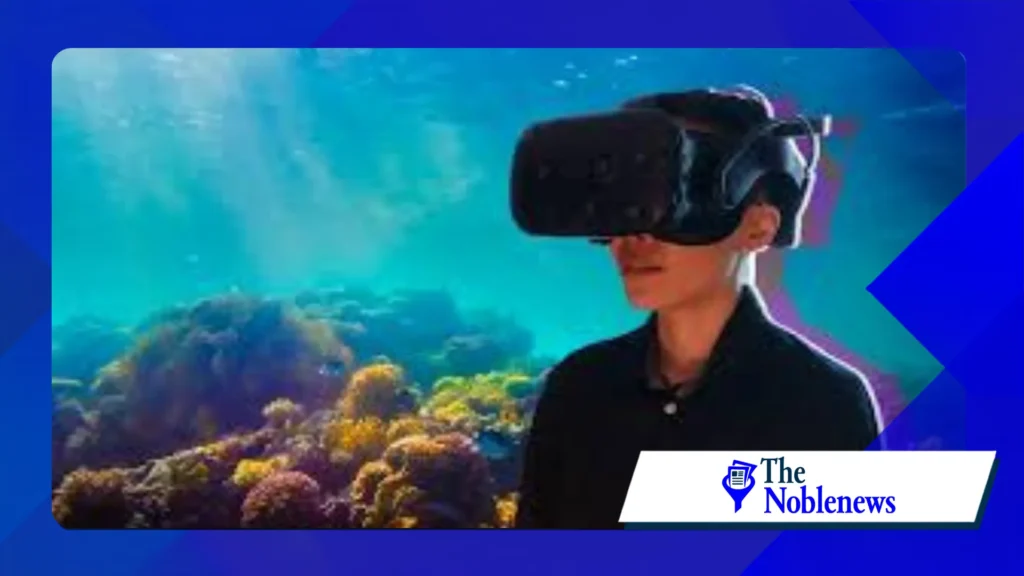
Perché le simulazioni degli abissi marini suscitano la curiosità umana?
Gli esseri umani possiedono un impulso innato e potente a esplorare frontiere acquatiche inesplorate.
Gli ambienti marini digitali soddisfano questo istinto primordiale, offrendo rappresentazioni visive davvero straordinarie di ecosistemi nascosti, solitamente inaccessibili al grande pubblico terrestre.
Saltando un rigoroso addestramento fisico specializzato, si accede immediatamente a zone oscure e abissali.
Gli appassionati possono imbattersi immediatamente in creature bioluminescenti o esplorare relitti storici, eliminando completamente i rischi di malattia da decompressione e le ingenti spese di viaggio internazionali.
La ricerca psicologica indica costantemente che gli spazi blu simulati riducono significativamente lo stress.
Osservare le mante che scivolano placidamente attraverso fasci di luce volumetrica offre benefici terapeutici tangibili, al pari degli incontri adrenalinici con i grandi squali bianchi.
L'interattività avanzata distingue nettamente le moderne applicazioni acquatiche dai documentari statici.
Gli utenti manovrano sommergibili specializzati, fotografano la sfuggente fauna marina e navigano in complessi sistemi di grotte utilizzando sofisticati sistemi di controllo del movimento spaziale con precisione millimetrica.
In che modo il feedback aptico moderno migliora il realismo?
La fedeltà visiva da sola non è sufficiente a ingannare completamente il cervello umano, facendogli credere di essere realmente immerso.
La tecnologia aptica introduce dati sensoriali fondamentali, simulando dinamicamente la resistenza dell'acqua e le improvvise variazioni di pressione barometrica.
Accessori indossabili specializzati trasmettono vibrazioni corporee localizzate corrispondenti a eventi acquatici virtuali.
Le tute aptiche ad alta fedeltà elevano esperienze subacquee in realtà virtuale simulando i sottili cambiamenti di corrente causati dal passaggio della megafauna oceanica.
I moduli di termoregolazione integrati nei gilet da gaming di alta gamma ora riproducono fedelmente le termolinee fredde.
L'improvviso calo di temperatura che si verifica mentre si scende in una trincea virtuale amplifica drasticamente la necessaria sospensione psicologica dell'incredulità.
I guanti di resistenza simulano efficacemente la viscosità fisica e l'elevata densità delle correnti oceaniche.
Afferrare strutture coralline virtuali o spingere contro forti correnti d'acqua richiede un vero e proprio sforzo muscolare, colmando il divario tra i videogiochi e la realtà fisica.
Quali sono gli effetti fisiologici dell'immersione digitale?
Le risposte neurologiche durante intense simulazioni di scenari acquatici spesso rispecchiano fedelmente le reazioni fisiologiche del mondo reale.
La frequenza cardiaca aumenta naturalmente quando gli utenti si trovano ad affrontare improvvisi pericoli ambientali o si muovono alla cieca in claustrofobicità sistemi di grotte sottomarine digitali.
Incontrare i predatori marini all'apice della catena alimentare durante esperienze subacquee in realtà virtuale provoca autentici picchi di adrenalina.
L'amigdala interpreta gli enormi squali digitali che si avvicinano all'utente come minacce reali, attivando l'antica risposta biologica di sopravvivenza "combatti o fuggi".
Al contrario, le tranquille esplorazioni di barriere coralline poco profonde inducono una bradicardia clinica misurabile, abbassando naturalmente la frequenza cardiaca a riposo.
Questo fenomeno biologico assomiglia molto al riflesso di immersione dei mammiferi, innescato dall'immersione del viso nell'oceano.
I sensori biometrici integrati nelle visiere moderne monitorano costantemente questi precisi cambiamenti fisiologici.
++ Come le simulazioni architettoniche in realtà virtuale riducono i costi
Gli sviluppatori regolano dinamicamente il ritmo e l'illuminazione dell'applicazione in base ai livelli di stress dell'utente, garantendo un coinvolgimento ottimale senza causare un'eccessiva ansia psicologica.
Come si comportano i visori attuali nella resa degli ambienti acquatici?
Per riprodurre ambienti acquatici realistici è necessario un hardware in grado di gestire dinamiche dei fluidi straordinariamente complesse.
Microprocessori avanzati elaborano simultaneamente la rifrazione della luce, la nebbia volumetrica e gli effetti particellari per creare profondità oceaniche assolutamente realistiche.
Per saperne di più: Come i mondi di realtà virtuale generati dall'IA riducono i costi di sviluppo
L'elevata frequenza di aggiornamento del display previene gravi episodi di cinetosi durante le sequenze di nuoto virtuale ad alta velocità.
Mantenere un frame rate costante rimane assolutamente fondamentale quando i giocatori si muovono in spazi sottomarini tridimensionali e disorientanti, pieni di correnti mutevoli.
L'analisi delle principali opzioni hardware che domineranno il mercato nel 2026 rivela livelli di prestazioni ben distinti.
I seguenti dati evidenziano le principali specifiche tecniche necessarie per il rendering di ambienti oceanici fotorealistici e senza soluzione di continuità nelle moderne simulazioni interattive.
| Modello di cuffie | Risoluzione per occhio | Campo visivo | Punteggio di rendering acquatico | Integrazione aptica |
| Meta Quest 4 Pro | 2560 x 2560 | 115° | 8.5 | Standard |
| Apple Vision Pro 2 | 4000 x 4000 | 120° | 9.8 | Spaziale avanzato |
| Valve Index Wireless | 2880 x 2880 | 130° | 9.2 | Ultra-preciso |
La valutazione di queste specifiche avanzate rivela una chiara traiettoria del settore verso un'enorme potenza di elaborazione autonoma.
Le cuffie wireless offrono la libertà fisica senza fili assolutamente necessaria per eseguire movimenti di nuoto realistici, ampi e coinvolgenti in tutta sicurezza.
Il rendering foveato di nuova generazione riduce drasticamente l'ingente carico computazionale necessario per simulazioni fluide accurate.
La tecnologia di tracciamento oculare integrata garantisce che solo l'area esatta su cui l'utente sta guardando venga riprodotta con la massima risoluzione visiva stereoscopica.
Esecuzione esperienze subacquee in realtà virtuale richiede livelli di nero eccezionali per simulare accuratamente le profondità abissali.
++ Perché il ritorno della fotografia analogica continua ad attrarre gli utenti della Generazione Z
Gli schermi Micro-OLED eccellono in questi specifici scenari bui, creando vuoti neri come la pece spaventosamente realistici quando si esplorano le fosse oceaniche più profonde.
Perché la conservazione marina sfrutta il turismo virtuale? Esperienze subacquee in realtà virtuale
Importanti organizzazioni ambientaliste hanno subito riconosciuto l'immenso potere empatico degli ambienti interattivi simulati.
Trasportare i responsabili politici direttamente nelle barriere coralline digitali morenti genera connessioni emotive vitali che i tradizionali report statistici semplicemente non riescono a creare.
Le organizzazioni educative globali utilizzano sempre più esperienze subacquee in realtà virtuale per promuovere una profonda consapevolezza ecologica.
Consentire agli studenti di assistere in prima persona al degrado virtuale delle foreste di alghe aumenta significativamente la successiva partecipazione dei giovani alle iniziative locali di conservazione marina.
L'espansione del turismo virtuale riduce in modo sostanziale l'impatto ambientale negativo sui fragili ecosistemi acquatici.
Deviare milioni di visitatori occasionali ogni anno dalle barriere coralline fisicamente danneggiate verso repliche digitali incontaminate consente agli ambienti naturali di avere il tempo necessario per riprendersi.
Istituzioni di spicco come la Esplorazione oceanica della NOAA Il programma utilizza media altamente immersivi per divulgare efficacemente dati scientifici complessi.
Queste innovative strategie di divulgazione digitale coltivano una nuova generazione di biologi marini e oceanografi appassionati e dediti alla materia.
Quali sono le prospettive future per le simulazioni acquatiche?
Gli analisti specializzati del settore prevedono una crescita esponenziale e massiccia all'interno del particolare settore di nicchia del turismo acquatico digitale.
I progressi nell'intelligenza artificiale popoleranno presto gli oceani digitali con ecosistemi marini generati proceduralmente e con comportamenti accurati in modo continuo.
Le tecnologie innovative per le interfacce liquide mirano attualmente a integrare serbatoi d'acqua fisici con sovrapposizioni ottiche digitali.
Centri specializzati nella simulazione acquatica testano segretamente cuffie impermeabili in combinazione con vere piscine a galleggiamento neutro, per un'immersione sensoriale senza precedenti.
Gli innovatori spingono continuamente i limiti del software, garantendo che l'esplorazione oceanica virtuale rimanga fondamentalmente affascinante. Algoritmi di rendering acquatico sempre più avanzati offrono ambienti marini più profondi e ricchi in tutto il mondo.
Le interfacce cervello-computer avanzate rappresentano l'ultima frontiera della tecnologia di simulazione acquatica immersiva.
Le future versioni hardware potrebbero eliminare completamente i controller manuali fisici, consentendo agli utenti più avventurosi di navigare in ambienti sottomarini complessi tramite comandi neurali diretti e senza interruzioni.
Domande frequenti
Sono esperienze subacquee in realtà virtuale È sicuro per le persone soggette a grave cinetosi?
Gli sviluppatori impiegano tecniche di locomozione specializzate che riducono al minimo la nausea dell'utente in modo efficace.
Caratteristiche come l'effetto tunnel della vignettatura e la fluida meccanica del nuoto artificiale riducono significativamente il disagio vestibolare.
Quale hardware è in grado di eseguire simulazioni ad alta fedeltà degli abissi marini?
I visori standard autonomi gestiscono facilmente le applicazioni di base. I moduli di tracciamento di fascia alta, i giubbotti aptici e le configurazioni con collegamento al PC rimangono assolutamente necessari per accedere fisicamente alla massima fedeltà grafica fluida.
Le applicazioni acquatiche immersive possono curare la talassofobia clinica?
La terapia di esposizione controllata in ambienti marini virtuali sta dimostrando risultati clinici promettenti.
Un'introduzione graduale alle profondità oceaniche sotto la supervisione di personale medico qualificato aiuta le persone a superare in sicurezza l'ansia legata all'acqua.
Conclusione
Abbracciare esperienze subacquee in realtà virtuale Consente agli esploratori globali moderni di scoprire ecosistemi maestosi in tutta sicurezza.
Il rapido progresso tecnologico sta di fatto democratizzando l'esplorazione oceanica, garantendo a chiunque possieda un visore compatibile un accesso senza precedenti all'ultima frontiera acquatica del pianeta.
I continui e costanti progressi nel feedback sensoriale biometrico garantiscono che queste spedizioni oceaniche digitali si evolvano costantemente.
Il confine netto che separa la realtà fisica dalla simulazione acquatica si fa sempre più labile con ogni nuova generazione di hardware altamente immersivo immesso sul mercato.
Incoraggiamo vivamente gli appassionati di avventura a immergersi oggi stesso in questi mondi oceanici simulati.
Scopri nuove applicazioni mozzafiato, aggiorna la tua configurazione hardware immersiva e sostieni attivamente iniziative vitali di ricerca marina attraverso il Istituto per la conservazione marina.
\