
アンチヒーローの台頭:完璧な主人公を望まなくなった理由
広告

アンチヒーローの台頭は物語の語り方を変え、欠点があり道徳的に複雑なキャラクターを通して、現実の人生の複雑さを映し出し、観客を魅了している。
スーパーマンの揺るぎない美徳やキャプテン・アメリカの道徳的な明晰さといった、清廉潔白な主人公たちがポップカルチャーを席巻していた時代は終わった。
今日、私たちはトニー・ソプラノ、デッドプール、ケンドール・ロイといった人物に惹かれる。彼らの欠点こそが、彼らを魅力的にしているのだ。
この変化は単なる流行ではなく、私たちの価値観の進化、完璧さへの懐疑心、そして本物への渇望を反映した文化的な転換点である。
なぜ私たちは、嘘をついたり、不正を働いたり、失敗したりする登場人物を応援してしまうのだろうか?
この記事では、アンチヒーローの台頭、彼らが持つ心理的な魅力、そして彼らの人気が私たちについて何を明らかにしているのかを探ります。
観客として、私たちは自分自身の葛藤や欠点を映し出す登場人物にますます魅了されるようになっている。
こうした反英雄たちが人々の心に響くのは、彼らが道徳や成功に対する私たちの理解に挑戦し、真の英雄とは何かを問い直させるからだ。
新世代の主人公
かつて観客は、自己犠牲的で高潔で、決して間違いを犯さないという理想を体現する英雄を崇拝していた。
オリジナル版におけるルーク・スカイウォーカーの明確な英雄的行為を思い浮かべてみてください。 スターウォーズ はるか彼方の銀河系における希望の光、それがこの三部作だ。
しかし、社会がますます冷笑的になるにつれて、私たちの物語もまた冷笑的になっていった。
アンチヒーローの台頭は、1990年代後半から2000年代初頭にかけて、次のような番組によって勢いを増した。 ザ・ソプラノズ そして ブレイキングバッド.
これらのシリーズは、単に欠点があるだけでなく、深い葛藤を抱えた主人公たち、つまり罪悪感、家族、権力といった問題に苦悩するマフィアのボスや麻薬密売人を紹介した。
従来の英雄とは異なり、アンチヒーローは必ずしも美徳によって勝利するわけではない。彼らは善悪の境界線が曖昧な領域を渡り歩き、英雄的というよりは人間らしい選択をする。
この変化は、権威や完璧主義に対するより広範な文化的不信感を反映している。
政治スキャンダル、企業の貪欲さ、ソーシャルメディア上の見せかけが蔓延する世界において、完璧なヒーロー像は時代遅れに感じられる。
ピュー・リサーチ・センターが2023年に実施した調査によると、アメリカ人の681%が、メディアで描かれる「完璧な」キャラクターは、欠点のあるキャラクターよりも共感しにくいと考えていることがわかった。
私たちはアンチヒーローに自分自身を重ね合わせる。それは私たちが皆犯罪者だからではなく、彼らが抱える道徳観、アイデンティティ、そして人生の目的についての葛藤が、私たち自身の葛藤と重なるからだ。
アンチヒーローの台頭は、説教じみたものではなく、人々の心を揺さぶるような物語を求める私たちの欲求を反映している。
さらに、こうした物語表現の進化は、人間の本質をより繊細に探求することを可能にする。
欠点を持つ登場人物は、私たち自身の人生を振り返るよう促し、観客と物語との間に、より深い繋がりを生み出す。
不完全さの心理学
アンチヒーローがこれほどまでに魅力的である理由は何だろうか?
それは、心理的な複雑さに根ざした、彼らの共感性にある。
道徳的な羅針盤となることが多い伝統的な英雄とは異なり、アンチヒーローは複雑で混沌とした存在である。
彼らは利己的な欲望に突き動かされているが、更生する可能性も秘めている――あるいは、そうでないかもしれない。
取る 継承ケンドール・ロイは、企業の後継者でありながら、依存症、不安、そして有害な家族の遺産と闘っている。
彼の英雄的な行動は臆病さによって台無しにされているが、それでも私たちは彼を応援したくなる。なぜなら、彼の欠点が生々しく感じられるからだ。
この二面性は、私たちの認知的不協和に根ざしている。私たちは善人でありたいと願う一方で、しばしばエゴや恐怖に左右されてしまうのだ。
心理学的に言えば、アンチヒーローは「弱者効果」を通して私たちの共感を呼び起こす。
私たちは、苦境に立たされている人を応援するようにできている。特に、彼らの欠点が自分自身の欠点と似ている場合はなおさらだ。
独創的な例を考えてみよう。ディストピア・スリラーに登場する架空のハッカー、ミアは、世界を救うためではなく、個人的な恨みを晴らすために企業の機密情報を漏洩する。
彼女の動機は利己的だが、顔の見えない体制に立ち向かう彼女の勇気には、私たちは喝采を送る。
アンチヒーローの台頭は、この緊張感によって成り立っている。彼らは模範となる存在ではないが、現実の存在なのだ。
| 伝統的なヒーロー対アンチヒーロー | 伝統的な英雄 | アンチヒーロー |
|---|---|---|
| モチベーション | 無私で、理想主義的 | 自己中心的で、矛盾している |
| 道徳的羅針盤 | 明瞭で揺るぎない | 曖昧で、変化しやすい |
| 結果 | 美徳による勝利 | 妥協による生存 |
| 例 | ルーク・スカイウォーカー | ウォルター・ホワイト |
さらに、アンチヒーローの持つ心理的な深みは、より豊かな物語展開を可能にする。
彼らの欠点や葛藤は、観客を複雑なテーマへと誘い、道徳や倫理についての議論を促す。
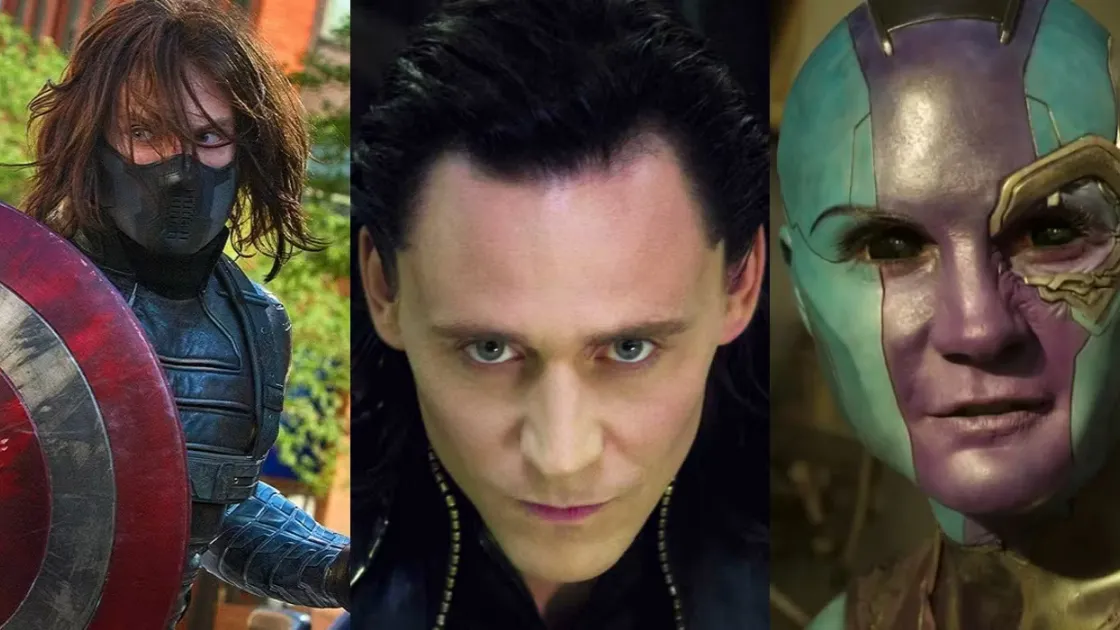
変化を促す文化的触媒
アンチヒーローの台頭は、単なる心理的な現象ではなく、文化的な現象でもある。
9.11同時多発テロ後の時代は、戦争、経済崩壊、そして制度に対する信頼の低下によって、「完璧な」英雄像という表面的なイメージに亀裂が入った。
観客は、こうした混乱を反映した物語を求めるようになった。
番組は マッド・メン そして ウォーキング・デッド ドン・ドレイパーやリック・グライムズのような、生き残るために道徳的に曖昧な選択をした主人公たちを生み出した。
これらの登場人物は安易な答えを与えてくれるのではなく、分断された世界において「善」とは一体何を意味するのかという問いを私たちに突きつける。
ストリーミングプラットフォームはこの傾向をさらに加速させた。
Netflix、HBO、Amazonは、地上波テレビの検閲に縛られることなく、従来の放送局が敬遠していたような、生々しい物語を積極的に制作した。
一気見という視聴形態は、複雑なキャラクターへの私たちの関心をさらに深めることにもつながった。
私たちはウォルター・ホワイトがメタンフェタミンを製造する様子をただ1時間見ているだけではない。私たちは彼と何シーズンにもわたって共に生活し、彼の転落のあらゆる側面を目撃するのだ。
この親密さによって、アンチヒーローの台頭は単なる物語上の選択ではなく、文化を映し出す鏡となる。
ソーシャルメディアも一役買っている。
Xのようなプラットフォームは、登場人物の道徳性に関する議論を増幅させ、アンチヒーローを文化的な指標へと変えている。
分析する投稿 ザ・ボーイズ「ホームランダー――救世主というより悪役に近いスーパーヒーロー――は、観客がいかに欠点のある人物を分析することに喜びを感じるかを示している。」
なぜ私たちは、サイコパスの動機について何時間も議論するのだろうか?
なぜなら、アンチヒーローは私たちの矛盾を映し出す鏡であり、私たち自身に矛盾と向き合うことを強いるからだ。
さらに、アンチヒーローの台頭は、社会の変化や不安に対する反応と見なすこともできる。
観客が自分たちの現実を反映した物語を求める中で、アンチヒーローは複雑な問題を考察するための、共感しやすい視点を提供する。
さまざまなメディアにおけるアンチヒーロー
アンチヒーローの台頭は、テレビの世界にとどまらない。
映画では、マーベルの デッドプール 皮肉と暴力でスーパーヒーローの原型を覆し、 ジョーカー (2019年)は、悪役を悲劇的で同情を誘う人物として再解釈している。
文学において、ギリアン・フリンの ゴーン・ガール 本作は、狡猾で人を操るのが上手いエイミー・ダンという人物を描き出している。彼女は魅力的であると同時に、卑劣でもある。
ビデオゲームもこのトレンドを取り入れている。 ラスト・オブ・アスジョエルは、エリーを守るために残酷な選択をすることで、英雄と怪物との境界線を曖昧にしている。
それぞれのメディアは、アンチヒーローを探求するための独自の手段を提供している。
映画は物語の展開を2時間に凝縮するため、その欠点が際立ってすぐに露呈してしまう。
テレビシリーズはそれらを数シーズンにわたって引き延ばし、視聴者にそれらの矛盾をじっくりと味わわせてくれる。
ゲームは、私たちが登場人物を道徳的に困難な決断へと導くことで、私たちを共犯者にしてしまう。
この多様性こそがアンチヒーローの台頭を促し、彼らの魅力が普遍的なものであることを証明している。
| メディアを横断するアンチヒーローたち | 中くらい | 例 | 主要な欠陥 |
|---|---|---|---|
| テレビ | 継承 | ケンドール・ロイ | 不安、裏切り |
| 膜 | ジョーカー | アーサー・フレック | 精神的不安定、激怒 |
| 文学 | ゴーン・ガール | エイミー・ダン | 操作、復讐 |
| ビデオゲーム | ラスト・オブ・アス | ジョエル | 冷酷さ、利己主義 |
さらに、様々なメディアを通してアンチヒーローを探求することで、彼らの複雑さに対する理解が深まる。
それぞれの形式によって多様な解釈が可能となり、物語が独自の形で人々の心に響くようになる。
++ マーベルの成功の秘密:MCUがハリウッドをどう変えたか
社会批評としてのアンチヒーロー
アンチヒーローは単に楽しませるだけでなく、批判もする。
彼らの物語は、資本主義の行き過ぎから組織的な腐敗に至るまで、社会の欠陥をしばしば露呈させる。
取る ベター・コール・ソウルソウル・グッドマンは、倫理観を曲げて弱肉強食の世界で生き残る弁護士だ。
彼が小さな詐欺師から道徳的な犠牲者へと転落した経緯は、システムがいかにして誠実さを蝕むかを如実に示している。
同様に、架空のドラマに登場するジャーナリストのエレナというオリジナルキャラクターは、汚職を暴くために記事を捏造するが、自身の倫理観を失ってしまう。
彼女の物語は、目的のためなら手段を選ばないという問いを投げかける。これは、「フェイクニュース」や真実が曖昧になっている現代において、共感を呼ぶジレンマである。
この論評は、アンチヒーローという存在を現代にふさわしいものにしている。
彼らは、不平等、メンタルヘルス、権力構造といった問題を取り上げた物語で真価を発揮する。
彼らは明確な解決策を提示することを拒否することで、私たちに批判的に考えるよう促している。
アンチヒーローの台頭は、白黒はっきりとした道徳観の拒絶を示し、代わりに人間の経験の曖昧さを受け入れようとしていることを象徴している。
さらに、アンチヒーローは現代社会の葛藤を反映する存在でもある。
彼らの物語は、私たちが日常生活で直面する複雑さや道徳的な曖昧さをしばしば反映しており、倫理や責任についての重要な議論を促す。
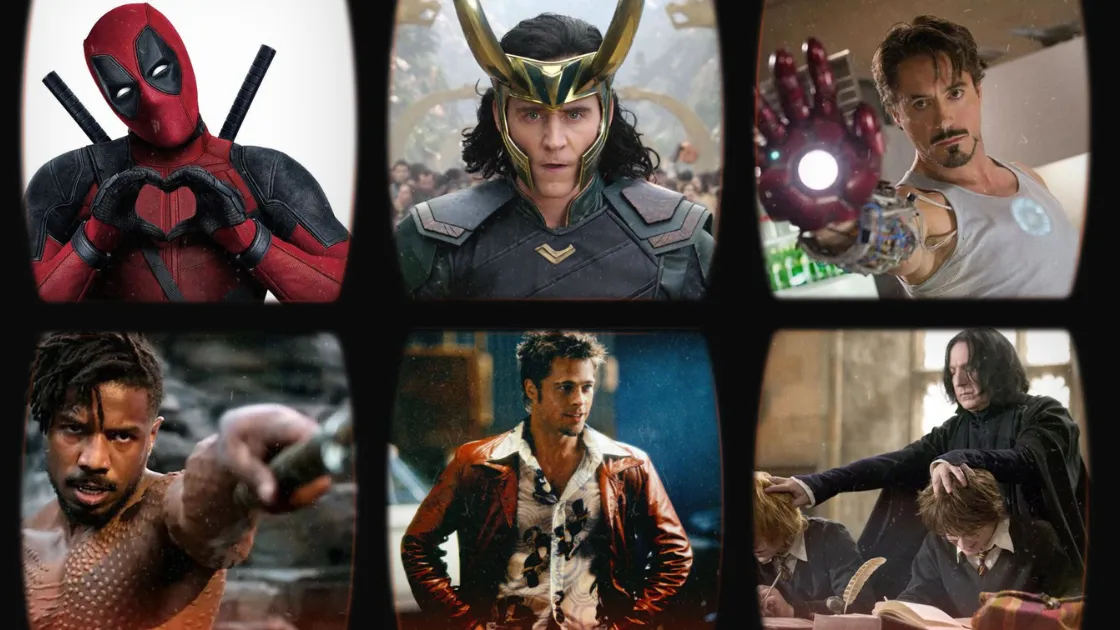
完璧主義がもはや売れない理由
完璧すぎる主人公は、真実性を重んじる世界においては、プロパガンダのように感じられる。
完璧な英雄は、時代遅れの彫像のように、硬直していて共感しにくい存在だ。
それとは対照的に、アンチヒーローはひび割れた鏡のようなものだ。不完全ではあるが、何かを映し出す力を持っている。
彼らは私たちをより良い人間になろうと鼓舞するのではなく、私たちに正直になることを促しているのだ。
この変化は、脆弱性を重視する文化的な潮流を反映している。
音楽の世界では、ビリー・アイリッシュのようなアーティストがむき出しの感情を表現しており、ソーシャルメディアの世界では、洗練された投稿よりも「リアルな」瞬間が重視されている。
アンチヒーローの台頭は、私たちが贖罪に魅了されていることとも関連している。
私たちは、たとえ完全に成功しなくても、挫折しても再び立ち上がろうと奮闘するキャラクターが大好きです。
この物語の展開は、無敵の英雄が必然的に勝利するという展開よりも、はるかに誠実に感じられる。
だから私たちは クマトラウマと野心に葛藤するシェフ、カーミー・ベルザットが、世界を救う清潔なスーパーヒーローに対抗する物語。
さらに、アンチヒーローの魅力は、物語における真実味への私たちの欲求を浮き彫りにしている。
観客として、私たちは自分自身の欠点や葛藤を反映した物語を求めており、だからこそアンチヒーローは共感を呼び、魅力的に映るのだ。
大衆文化におけるアンチヒーローについてさらに詳しく知りたい場合は、こちらをご覧ください。 アトランティック.
アンチヒーローの未来
物語の表現方法が進化するにつれ、アンチヒーローの台頭は衰える兆しを見せていない。
バーチャルリアリティやインタラクティブストリーミングといった新たなプラットフォームは、それぞれの世界へのより深い没入感を約束する。
アンチヒーローになりきって、リアルタイムで胸が張り裂けそうな選択を迫られるVRゲームを想像してみてください。
一方、世界的なストーリーテリングは原型を拡大している。韓国ドラマを例に挙げると、 ヴィンチェンツォそこでは、マフィアの弁護士が復讐と正義のバランスを取ろうとする。
これらの物語は、アンチヒーローが西洋だけの現象ではなく、文化を超えて共感を呼ぶ世界的な現象であることを証明している。
しかし、過剰供給のリスクもある。
主人公が皆、陰鬱で道徳的に曖昧な孤独な人物ばかりだと、その典型的なキャラクター像は魅力を失ってしまう可能性がある。
作家は革新を続け、斬新な動機と利害関係を持つアンチヒーローを生み出さなければならない。
アンチヒーローの台頭は、彼らの物語を予測不可能なものに保ち、従来のヒーローを悩ませてきた陳腐な展開を避けることにかかっている。
さらに、観客の目が肥えるにつれて、物語における独創性の必要性はますます重要になるだろう。
革新的な物語は、絶えず変化するメディア環境において、アンチヒーローが常に意義を持ち、魅力的な存在であり続けることを保証するだろう。
結論:欠点を受け入れる
アンチヒーローの台頭は、物語の語り方における革命であり、完璧さよりも複雑さを優先するようになった。
これらの登場人物たちは、欠点があり、葛藤を抱え、痛々しいほど人間的であるからこそ、私たちの心に響くのだ。なぜなら、彼らは私たち自身の苦悩を反映しているからだ。
彼らは安易な答えは提示せず、難しい問いを投げかけ、私たちに自身の価値観や矛盾と向き合うよう促す。
ますます混沌としていく世界において、私たちが本当に必要としているのは、救世主ではなく、生き残る者、つまりアンチヒーローのような主人公たちだ。
私たちが彼らの複雑な物語を受け入れ続けるにつれて、私たちは単に物語を見ているだけではなく、人間であることの意味を書き換えているのです。
\