マクロ撮影のコツとテクニック

広告

Entering the world of how to shoot macro photography is like discovering a hidden universe in your own backyard. It demands more than just a lens; it requires a shift in perspective and a mastery of light.

By balancing technical precision with artistic patience, you can transform ordinary textures into extraordinary, life-size portraits that reveal nature’s most intricate, invisible details.

How to Shoot Macro Photography

Summary of Expert Techniques

  • Defining the 1:1 reproduction ratio—the “life-size” benchmark.
  • Navigating the gear landscape: extension tubes vs. dedicated glass.
  • Managing the physics of razor-thin depth of field.
  • Artificial lighting strategies to replace lost ambient photons.
  • Focus stacking: the digital bridge to total image sharpness.

What Is Macro Photography and Why Does Magnification Matter?

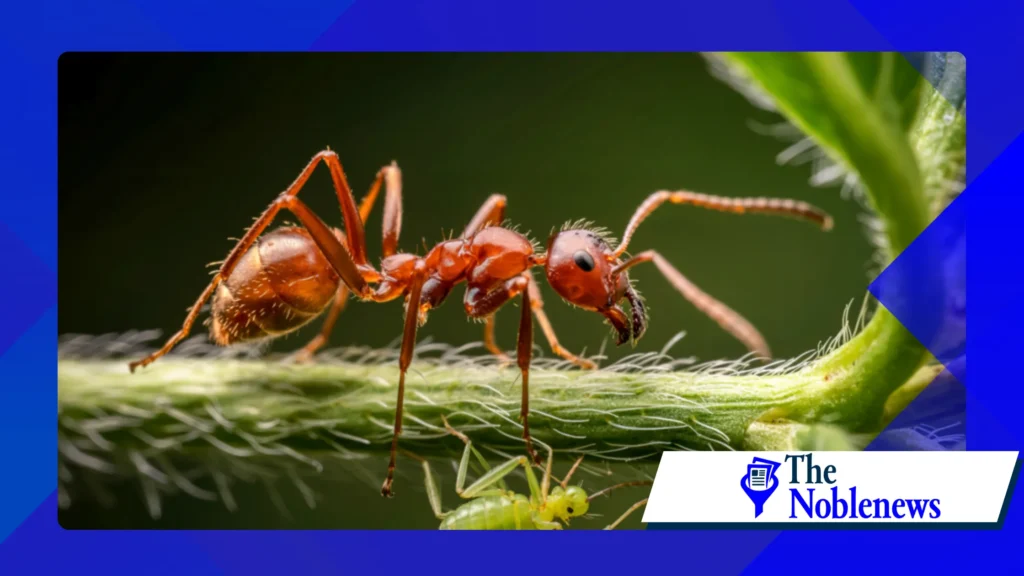
True macro work begins where standard “close-up” photography ends, specifically at the 1:1 reproduction ratio where the subject’s physical size matches its footprint on your camera sensor.

If a tiny jumping spider measures exactly 5mm in the wild and occupies 5mm of your full-frame sensor, you’ve hit the gold standard of magnification.

Many manufacturers slap a “macro” label on zoom lenses that only reach a 1:3 ratio, which is a common point of frustration for beginners expecting a microscopic level of detail.

広告

Understanding these technical ratios is vital because, at 1:1, every vibration is amplified, and the laws of optics begin to behave differently than they do in portraiture or landscapes.

How Does Equipment Choice Impact Your Macro Results?

You don’t necessarily need a $1,500 lens to start, as extension tubes—hollow spacers that sit between your camera and lens—effectively “trick” your glass into focusing much closer.

However, dedicated macro lenses (typically 90mm to 105mm) provide a comfortable “working distance,” which is the literal breathing room between your front element and a potentially nervous insect.

広告

By 2026, mirrorless internal stabilization and electronic viewfinders with 20x magnification have made manual focusing far less of a guessing game than it was in the DSLR era.

A heavy tripod remains a non-negotiable tool for many; when your focal plane is as thin as a piece of paper, even your pulse can ruin a perfectly framed shot.

Which Camera Settings Ensure Maximum Sharpness?

In this world of the tiny, the depth of field is so narrow that you might find a bee’s eyes are sharp while its wings are a total wash of bokeh.

Stopping down to f/22 seems like a logical fix, but this usually triggers “diffraction,” where light waves scatter and actually degrade the very resolution you are trying to preserve.

Most professionals find the “sweet spot” around f/8 or f/11, opting to use focus stacking software to merge several frames into one impossible, edge-to-edge sharp masterpiece.

続きを読む: より速く、より良い写真レタッチのための編集ワークフローのヒント

Forget about high-speed autofocus; it rarely knows whether you want the focus on a butterfly’s proboscis or its antenna, making manual adjustments the only reliable path to precision.

特徴Beginner SetupProfessional Setup
Lens TypeKit Lens + Extension Tubes100mm f/2.8 Dedicated Macro
FocusingSingle-Point AutofocusManual Focus + Rail System
LightingNatural Sunlight / DiffuserTwin-Flash with Custom Scrims
StabilityHandheld with IBISCarbon Fiber Tripod + Head

Why Is Lighting the Greatest Challenge in Macro?

Physical proximity creates a literal eclipse; as you move in for the shot, your lens barrel often cuts off the sun, plunging your subject into a muddy, unappealing shadow.

Because you are likely using narrow apertures and fast shutter speeds to kill motion blur, the sensor is often starved for light, making high-ISO noise a persistent, grainy enemy.

A specialized ring flash provides shadowless, clinical light, but many artists prefer “twin-flash” setups that allow for directional shadows, giving the subject a more three-dimensional, dramatic presence.

For those preferring a softer touch, a high Color Rendering Index (CRI) LED panel can mimic natural light without the harsh “pop” that often startles live subjects.

How to Shoot Macro Photography

How to Shoot Macro Photography in the Wild Successfully

The outdoor macro photographer is essentially a stalker of tiny giants, requiring a level of patience that borderlines on the meditative while waiting for the wind to die down.

Early morning is the secret weapon of the trade; the cold air slows down insect metabolisms, often leaving them perched and motionless, adorned with spectacular, naturally occurring dew droplets.

Positioning your camera sensor perfectly parallel to your subject—the “film plane” trick—is the most effective way to maximize what little depth of field you actually have available.

++ ポートレート写真に最適なレンズ:完全ガイド

Ethical considerations are paramount here; chilling insects or manipulating them into “poses” is frowned upon in the professional community, as it disrupts the delicate ecosystems we document.

What Are the Best Post-Processing Steps for Macro?

Post-production in 2026 is less about fixing mistakes and more about expanding the limits of what a single exposure can hold through sophisticated, AI-assisted focus merging.

Watch out for chromatic aberration—those distracting magenta fringes on high-contrast edges—as they are magnified alongside your subject and can quickly make a professional shot look amateurish.

Applying “Texture” rather than “Sharpening” in your editor of choice often yields a more natural result, bringing out individual pollen grains without adding the “crunchy” digital artifacts of over-processing.

こちらをお読みください: 映画の特殊効果の背後にある科学

Don’t be afraid to crop; with today’s 50+ megapixel sensors, you can often find a “photo within a photo,” discovering details you didn’t even notice while peering through the viewfinder.

Final Reflections

Mastering the nuances of how to shoot macro photography is a transformative experience that forces a photographer to slow down and appreciate the complexity of the “unseen” world.

Success in this field is rarely about the most expensive gear; it’s about understanding the delicate dance between magnification, light, and the physical stability required to freeze a moment.

The more you practice, the more you realize that a common backyard garden holds as much visual drama as any exotic safari, provided you have the right lens to see it.

For a deeper dive into the physics of light and how it interacts with modern glass elements, the Official B&H Explora Photography Guides offer an exhaustive technical library for further study.

How to Shoot Macro Photography

FAQ: よくある質問

Do I need a full-frame camera for macro?

Actually, cropped sensors (APS-C) are often preferred because they provide more “reach” and a slightly deeper perceived depth of field compared to their full-frame counterparts.

Can I use my smartphone for macro photography?

While newer phones have impressive “macro modes,” they use tiny sensors that can’t replicate the creamy background blur or the raw resolution of a dedicated macro lens.

What is the best time of day for macro?

The first hour of light is best—not just for the golden tones, but because the lack of wind and the “sleepy” state of insects make for perfect conditions.

Is a tripod mandatory for all macro shots?

It’s a lifesaver for flowers and static textures, but for fast-moving insects, many pros shoot handheld using a powerful flash to freeze the action.

++ Macro Photography Tips: How to Capture Stunning Close-Up Shots

++ Macro photography tips

\
トレンド