
A ascensão da biologia sintética e suas aplicações no mundo real.
Anúncios
Durante décadas, a ciência biológica concentrou-se principalmente na leitura e edição do código genético. Hoje, está ocorrendo uma mudança de paradigma fundamental: sistemas vivos projetados estão passando de laboratórios acadêmicos experimentais diretamente para a escala comercial.
O ascensão da biologia sintética marca uma transição da simples modificação de organismos existentes para a criação de peças, dispositivos e sistemas biológicos personalizados a partir do zero.
Ao unificar princípios da biologia molecular, ciência da computação, bioengenharia e aprendizado de máquina, essa disciplina está reinventando a forma como a humanidade fabrica produtos químicos, cura doenças, captura carbono e cultiva alimentos.
Principais conclusões
- Além da Engenharia Genética: A biologia sintética aplica princípios de engenharia padronizados — projetar, construir, testar, aprender — a sistemas biológicos.
- Impacto em todos os setores: A biofabricação avançada transforma diretamente os setores farmacêutico, agrícola, de materiais industriais e de remediação ambiental.
- Ferramentas de Precisão: Os avanços em IA generativa, design computacional de proteínas e síntese acelular aceleram os ciclos de desenvolvimento exponencialmente.
- Desafios de Expansão: Os marcos regulatórios, os protocolos de biossegurança e os elevados investimentos em infraestrutura de biorreatores continuam sendo os principais obstáculos.

O que é biologia sintética e como ela difere da biotecnologia tradicional?
A biotecnologia tradicional depende de organismos selvagens ou de reprodução seletiva para obter produtos úteis como cerveja, queijo ou os primeiros antibióticos.
Posteriormente, a engenharia genética permitiu que os cientistas introduzissem genes estranhos em organismos — como, por exemplo, a inserção do gene da insulina humana em... E. coli.
A biologia sintética leva essa capacidade adiante, tratando as sequências genéticas como código modular e programável.
Em vez de modificar um único gene, os pesquisadores projetam vias bioquímicas inteiras usando segmentos de DNA padronizados conhecidos como BioBricks.
A modelagem computacional agora permite que os engenheiros prevejam como redes genéticas complexas irão interagir dentro de uma célula, antes mesmo que os sintetizadores imprimam sequências físicas de DNA.
+-----------------------------------------------------------------------+ | PROGRAMA DE BIOLOGIA SINTÉTICA | +-----------------------------------------------------------------------+ | [ DESIGN ] -> Design de proteínas e simulação de vias metabólicas guiados por IA | | [ BUILD ] -> Montagem automatizada de DNA de alto rendimento | | [ TEST ] -> Triagem automatizada por espectrometria de massa e microfluídica | | [ LEARN ] -> Otimização de sistemas biológicos por aprendizado de máquina | +-----------------------------------------------------------------------+
Como as aplicações práticas estão transformando as indústrias globais?
A implantação prática de biofábricas personalizadas afeta as cadeias de suprimentos fundamentais em todo o mundo.
1. Assistência Médica e Medicina de Precisão
As terapias celulares projetadas vão muito além das primeiras vacinas de mRNA. As terapias avançadas com células T com receptor de antígeno quimérico (CAR) agora utilizam circuitos biológicos sintéticos que atuam como portas lógicas biológicas (“E”, “NÃO”, “OU”).
Essas células inteligentes têm como alvo tumores sólidos exclusivamente quando dois antígenos específicos do câncer estão presentes simultaneamente, reduzindo drasticamente os efeitos colaterais em tecidos não-alvo.
++ Por que a pesquisa sobre plumas mantélicas reformula as teorias de formação da Terra
Além disso, os pesquisadores utilizam sistemas acelulares para sintetizar rapidamente terapias personalizadas no próprio local de atendimento.
2. Agricultura de Próxima Geração e Segurança Alimentar
A biologia sintética moderna oferece mecanismos concretos para descarbonizar a agricultura. Microrganismos do solo geneticamente modificados para fixar o nitrogênio atmosférico reduzem a dependência de fertilizantes sintéticos criados por meio de processos Haber-Bosch, que consomem muita energia.
++ A nova ciência por trás das culturas resistentes ao clima
Na nutrição humana, a fermentação de precisão utiliza cepas de levedura modificadas para produzir proteínas animais idênticas — como soro de leite, caseína e mioglobina — sem o impacto ambiental associado à pecuária industrial.
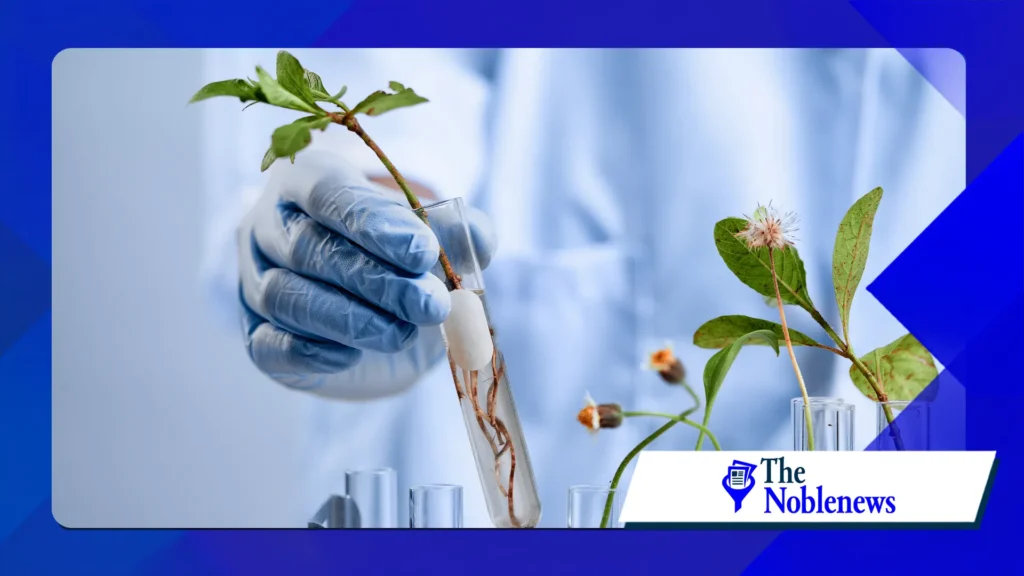
3. Materiais Sustentáveis e Biofabricação Industrial
Os derivados petroquímicos estão sendo cada vez mais substituídos por alternativas de base biológica com perfis de desempenho idênticos.
Fungos geneticamente programados produzem micélio estrutural de alto desempenho para construção e indústria têxtil.
++ Como as rotinas de exercícios circadianos melhoram a recuperação e a energia.
Além disso, microalgas geneticamente modificadas para processar emissões industriais convertem dióxido de carbono bruto diretamente em bioplásticos biodegradáveis, biolubrificantes e combustíveis especiais para aviação.
Quais são as principais aplicações práticas nos principais setores?
| Setor Industrial | Chassi biológico primário | Aplicação prática fundamental | Vantagem principal |
| Assistência médica | Células T humanas, células NK | Terapias com células CAR-T controladas por lógica | Direcionamento preciso de células cancerígenas complexas |
| Agricultura | Azospirillum e micróbios do solo | Fixação biológica de nitrogênio | Redução da dependência de fertilizantes químicos |
| Materiais | Saccharomyces cerevisiae | Proteínas estruturais fermentadas com precisão | Materiais de alto desempenho sem combustíveis fósseis |
| Energia | Cianobactérias e Microalgas | biossíntese direta de carbono em combustível | Geração de energia líquida com emissão negativa de carbono |
| Bens de consumo | Micélio fúngico geneticamente modificado | Couro e embalagem sem origem animal | Alternativas biodegradáveis e sem desperdício |
Por que 2026 é um ponto de inflexão crítico para a biofabricação? Ascensão da biologia sintética.
Dois fatores principais explicam por que ascensão da biologia sintética Nos últimos anos, houve uma aceleração drástica: integração de aprendizado de máquina e síntese de genes a custo ultrabaixo.
Algoritmos preditivos de dobramento de proteínas permitem que pesquisadores projetem enzimas totalmente personalizadas. in silico antes de serem testados em ambientes de laboratório físicos. O que antes exigia anos de testes por tentativa e erro agora leva semanas.
Para explorar pesquisas públicas detalhadas sobre iniciativas nacionais de biotecnologia e infraestrutura de biologia sintética, visite o centro de recursos oficial em Centro Nacional de Informação sobre Biotecnologia.
Biofábricas automatizadas de alto rendimento — frequentemente chamadas de "laboratórios em nuvem" — permitem que os cientistas executem milhares de experimentos paralelos simultaneamente.
Sistemas robóticos de manipulação de líquidos geram conjuntos de dados de alta qualidade que treinam continuamente redes neurais, criando um ciclo de feedback auto-reforçador.
Quais são os gargalos que estão retardando a expansão da biologia sintética?
Apesar dos grandes avanços tecnológicos, ainda persistem importantes obstáculos econômicos e operacionais.
Restrições de infraestrutura
A construção de infraestrutura de fermentação em escala industrial requer um investimento de capital significativo.
A escassez global de biorreatores de alta capacidade limita atualmente a paridade de custos no mercado de massa de produtos fermentados com precisão em comparação com as alternativas convencionais baseadas em combustíveis fósseis ou na agricultura.
Salvaguardas regulatórias e de biossegurança
À medida que as ferramentas de edição genética se tornam mais acessíveis, os órgãos reguladores precisam equilibrar a segurança com a inovação acelerada. As salvaguardas contra pesquisas de dupla utilização continuam sendo essenciais.
As estruturas modernas de biossegurança exigem protocolos rigorosos de contenção física, triagem de biossegurança genética para todos os pedidos comerciais de síntese de DNA e "interruptores de segurança" biológicos projetados para impedir que organismos sintéticos sobrevivam fora de instalações industriais controladas.
Orientações detalhadas sobre normas regulamentares para produtos de base biológica são atualizadas regularmente pela [nome da entidade reguladora]. Administração de Alimentos e Medicamentos dos EUA.
Perguntas frequentes
A biologia sintética é o mesmo que a engenharia genética tradicional?
Não. Enquanto a engenharia genética tradicional normalmente envolve a transferência de genes individuais existentes entre organismos, a biologia sintética utiliza princípios da engenharia para projetar partes biológicas, circuitos genéticos e vias metabólicas completamente novas, partindo do zero.
Os produtos fabricados por meio da biologia sintética são seguros para o uso do consumidor?
Sim. Os produtos criados por meio de fermentação de precisão ou sistemas biológicos projetados passam por rigorosas avaliações de segurança, toxicidade e pureza por órgãos reguladores antes de entrarem nas cadeias de fornecimento ao consumidor.
De que forma a biologia sintética contribui para a sustentabilidade ambiental?
A biologia sintética ajuda a diminuir a dependência de combustíveis fósseis, reduz as emissões de gases de efeito estufa por meio da captura biológica direta de carbono, diminui o escoamento de fertilizantes químicos e elimina o lixo plástico por meio da degradação biológica.
O Caminho a Seguir
A biologia sintética está evoluindo de um campo técnico emergente para a infraestrutura fundamental da bioeconomia moderna.
O sucesso na próxima década dependerá menos da descoberta biológica inicial e mais da engenharia química, da otimização de bioprocessos e da ampliação da capacidade física dos biorreatores.
Organizações que integrarem o design biológico em seus principais canais de pesquisa hoje definirão a próxima geração de manufatura industrial, medicina e gestão do planeta.
++ Exemplos e aplicações práticas da biologia sintética
++ Costurando a Revolução da Biologia Sintética
