
Como os projetos de captura de carbono de próxima geração estão evoluindo em 2026
Anúncios
Analisando projetos de captura de carbono de próxima geração Exige uma avaliação cuidadosa de avanços tecnológicos ousados, investimentos financeiros sem precedentes e estruturas regulatórias em evolução que moldam ativamente toda a nossa estratégia global de remediação climática, diretamente durante o crucial ano fiscal internacional de 2026.
Grandes instalações comerciais dominam agora a paisagem, ultrapassando as fases experimentais anteriores e tornando-se uma realidade em escala de megatoneladas, ao mesmo tempo que reduzem drasticamente os custos operacionais a longo prazo em todo o mundo.
Para entender esses sistemas, é preciso analisar as implantações em andamento, acompanhar a alocação de capital e projetar os limites de escalabilidade futuros em diversos setores industriais pesados, que precisam lidar com regulamentações de emissões rigorosas.
Vamos explorar avanços na engenharia, avaliar os principais polos regionais, comparar as principais iniciativas corporativas e decifrar os complexos incentivos governamentais que impulsionam essa transição verde crucial.
Índice
- Como funcionam as novas tecnologias de captura?
- Quais são as principais implementações comerciais?
- Por que as políticas governamentais estão acelerando o crescimento?
- Como se comparam os aspectos econômicos entre as diferentes instalações?
- Perguntas frequentes
- Conclusão
Como funcionam as novas tecnologias de captura?
Engenheiros refinam constantemente materiais sólidos avançados funcionalizados com amina para maximizar as taxas de absorção de carbono, evitando métodos mais antigos e intensivos em energia que utilizavam solventes líquidos térmicos e que anteriormente impediam a adoção em larga escala.
Pesquisadores avaliam sistematicamente novas estruturas porosas que capturam compostos atmosféricos rapidamente, comprovando que os modelos de laboratório são escaláveis de forma eficaz na transição de ambientes de teste controlados para uma implantação rigorosa ao ar livre.
Os sorventes eletrotérmicos flexíveis de última geração integram atualmente nanotubos de carbono de múltiplas paredes, permitindo a regeneração direta por aquecimento Joule sem a necessidade de uma infraestrutura externa massiva de vapor ou gás quente.
A integração de sensores avançados monitora continuamente reações químicas microscópicas, gerando dados de telemetria valiosos que aprimoram a eficiência operacional em redes de filtragem de ar descentralizadas e amplamente distribuídas em todo o mundo.
Ao reduzir drasticamente as cargas de energia parasitária, os modernos sistemas de captura direta de ar diminuem as métricas gerais de consumo, otimizando o desempenho mesmo em regiões geográficas remotas e com recursos limitados.
Implementando projetos de captura de carbono de próxima geração Envolve o aproveitamento de redes de eletricidade renováveis locais, garantindo que não haja emissões adicionais que contaminem o complexo processo de purificação do ar ambiente.
Instalações que utilizam projetos proprietários de hidrolisadores eletroquímicos requerem três vezes menos energia do que os sistemas tradicionais, demonstrando pura inovação que impulsiona a viabilidade operacional além das fronteiras internacionais.
Quais são as principais implementações comerciais?
O Texas abriga atualmente a monumental usina STRATOS, que está expandindo ativamente suas operações para extrair permanentemente quinhentas mil toneladas de poluentes atmosféricos anualmente, após sua conclusão.
A Occidental Petroleum administra de forma agressiva esse empreendimento colossal, demonstrando um forte compromisso corporativo em alcançar as ambições de emissões líquidas zero por meio de estratégias tangíveis e verificáveis de intervenção climática em escala industrial.
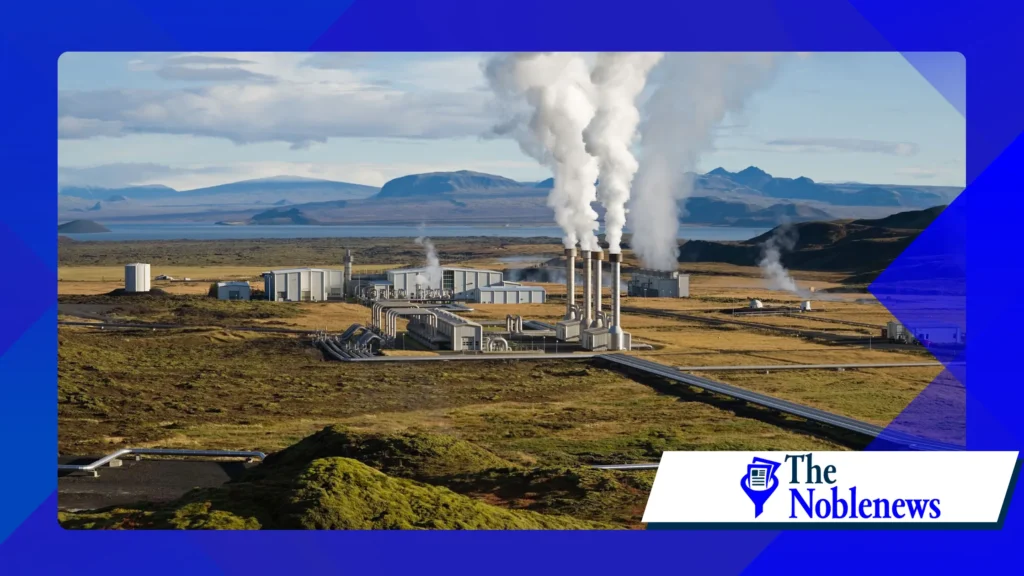
Entretanto, pioneiros europeus iniciaram recentemente a construção de megainstalações na Islândia, projetando sistemas que transformam os gases de efeito estufa capturados diretamente em formações geológicas subterrâneas sólidas.
Para além de megaprojetos isolados, os centros de inovação colaborativa cultivam parcerias ecossistêmicas diversificadas, unindo gigantes da indústria pesada a startups ambientais ágeis, que compartilham livremente infraestruturas críticas.
Esses robustos projetos de captura de carbono de próxima geração demonstrar viabilidade comercial, atraindo imensos investimentos de capital de risco anteriormente reservados para startups de software ou tecnologia digital de rápido crescimento.
Observadores acompanhando o Estrutura oficial de infraestrutura climática do Departamento de Energia Observe as enormes verbas federais que priorizam explicitamente instalações semelhantes e escaláveis, abrangendo diversas comunidades americanas.
Por que as políticas governamentais estão acelerando o crescimento? Projetos de captura de carbono de próxima geração
Governos soberanos em todo o mundo reconhecem os prazos climáticos urgentes e estão mobilizando agressivamente pacotes financeiros substanciais, créditos fiscais e subsídios diretos para apoiar implantações tecnológicas arriscadas em estágios iniciais.
A legislação recente aumentou drasticamente os subsídios federais, garantindo estruturas de pagamento lucrativas de doze anos para operadores que removerem com sucesso marcos verificados de mil toneladas sem sofrer degradação ambiental significativa.
Os órgãos reguladores penalizam cada vez mais as empresas poluidoras por meio de mecanismos rigorosos de precificação de carbono, direcionando os investimentos internos das empresas para longe dos combustíveis fósseis e em direção a soluções sustentáveis de emissão zero.
Os reguladores da União Europeia impõem normas rigorosas de emissões industriais, obrigando os grandes fabricantes a integrar módulos de filtragem avançados diretamente nas redes de infraestrutura de chaminés existentes nas fábricas.
Os tratados climáticos internacionais exigem cronogramas de adesão rigorosos, obrigando os países participantes a subsidiar fortemente intervenções tecnológicas agressivas para contrabalançar décadas de degradação atmosférica industrial descontrolada.
Historicamente, a burocracia dos processos de licenciamento atrasou a implementação de infraestruturas críticas, embora as autorizações de emergência simplificadas estejam atualmente a acelerar o início da construção de arquiteturas essenciais para a remediação planetária.
Em expansão projetos de captura de carbono de próxima geração depende fortemente desses robustos incentivos geopolíticos, que preenchem as profundas lacunas financeiras que separam a ciência teórica de laboratório da realidade funcional.
++ A ascensão das descobertas da biologia quântica na ciência médica
Os formuladores de políticas priorizam simultaneamente iniciativas de engajamento comunitário, exigindo programas equitativos de desenvolvimento da força de trabalho que garantam que as populações locais se beneficiem economicamente, juntamente com esforços vitais de preservação ambiental global.
Como se comparam os aspectos econômicos entre as diferentes instalações?
Os analistas acompanham atentamente a queda nos custos de captura, projetando reduções drásticas para menos de duzentos dólares por tonelada, à medida que os projetos modulares avançados atingem uma escala de produção generalizada.
A viabilidade financeira depende inteiramente da garantia de contratos de fornecimento corporativos de longo prazo, permitindo que os desenvolvedores de tecnologia tenham fluxos de receita garantidos antes de iniciar as dispendiosas fases de construção física do local.
Os custos iniciais de investimento continuam notoriamente elevados devido às exigências de materiais especializados, o que obriga empreendedores audaciosos a financiar de forma criativa projetos arquitetônicos ambiciosos, alavancando o apoio de capital privado.
Os mercados secundários que negociam certificados de remoção de carbono verificados apresentam flutuações acentuadas, mas a estabilidade a longo prazo surge à medida que estruturas de auditoria padronizadas certificam com precisão os marcos legítimos de sequestro geológico.
Os mercados globais demonstram uma demanda intensa por créditos de remoção permanente de alta qualidade, o que leva as empresas multinacionais a adquirirem capacidade futura anos antes das datas operacionais programadas.
Financiamento projetos de captura de carbono de próxima geração Portanto, transforma-se de pura filantropia em gestão de ativos calculada, gerando retornos ambientais e fiscais mensuráveis simultaneamente ao longo do tempo.
As atuais tendências de mercado sugerem um crescimento exponencial sustentado, dando origem a um setor industrial totalmente novo, avaliado em trilhões de dólares, dedicado exclusivamente à logística de restauração atmosférica planetária.
Leia mais: A ciência por trás dos exoplanetas: em busca de mundos habitáveis.
A análise de estatísticas básicas explícitas fornece o contexto necessário sobre as capacidades do projeto, destacando os avanços concretos alcançados nas principais instalações globais em operação ao longo de 2026.
| Nome do Projeto | Localização | Capacidade anual de 2026 | Tipo de tecnologia |
| STRATOS | Texas, EUA | 500.000 toneladas | Solvente líquido DAC |
| Mamute | Islândia | 36.000 toneladas | DAC de sorvente sólido |
| Electra | Centros Globais | Mais de 10.000 toneladas | Eletroquímica |
| Céu profundo | Alberta, Canadá | 10.000 toneladas | Centro Multitecnológico |
Perguntas frequentes
O que define esses sistemas modernos?
Ao contrário dos modelos tradicionais acoplados diretamente às chaminés de usinas de combustíveis fósseis, os sistemas avançados de captura direta de ar literalmente aspiram a poluição atmosférica ambiente usando filtros químicos especializados.
Os poluentes armazenados são seguros?
Geólogos injetam compostos purificados no interior de formações rochosas basálticas porosas, desencadeando processos de mineralização rápidos que aprisionam os materiais permanentemente, sem risco de vazamentos repentinos na superfície.
Por que os custos são tão altos?
A separação de elementos atmosféricos em concentrações mínimas exige a movimentação de volumes de ar massivos, o que demanda imensas cargas elétricas para acionar os principais conjuntos de ventiladores mecânicos e a subsequente regeneração química.
Essas instalações podem operar em qualquer lugar?
A escolha do local exige uma análise geológica cuidadosa para garantir a existência de camadas subterrâneas de basalto adequadas, além da proximidade imediata a redes de energia elétrica renováveis e confiáveis, que forneçam energia limpa constante.
A integração de energias renováveis irá melhorar?
Os desenvolvedores exigem rigorosamente redes dedicadas de energia eólica ou solar para dar suporte ao projeto. projetos de captura de carbono de próxima geração, garantindo que as instalações nunca gerem emissões colaterais durante a operação.
++ O futuro das estratégias de monetização de jogos além das caixas de loot
Conclusão
Superar os pontos de inflexão climáticos catastróficos exige a adoção plena de soluções científicas radicais, passando rapidamente das estratégias passivas de redução para técnicas agressivas de remediação atmosférica em todo o mundo.
Implementando robustez projetos de captura de carbono de próxima geração Representa a humanidade reagindo sistematicamente, utilizando nossas melhores capacidades de engenharia contra a degradação ambiental existencial que ameaça as gerações futuras.
Pesquisadores afiliados ao Instituto Stanford Woods para o Meio Ambiente Continuamente enfatizam que a expansão dessas infraestruturas permanece absolutamente inegociável para a preservação da estabilidade ecológica global.
As partes interessadas devem acelerar imediatamente a alocação de recursos vitais, garantindo que os programas-piloto pioneiros se transformem sem problemas em redes globais permanentes que protejam indefinidamente nossos bens comuns atmosféricos.
A humanidade encontra-se hoje numa encruzilhada tecnológica crucial, que exige uma ação internacional decisiva, substituindo o diálogo político passivo por conquistas industriais concretas e de grande envergadura global.
Cada tonelada capturada com sucesso valida fundamentalmente nosso potencial científico coletivo, provando que a sofisticada engenhosidade humana continua sendo profundamente capaz de reparar danos planetários severos.
As gerações futuras, que dependerão inteiramente da nossa coragem atual, irão, em última análise, julgar a liderança de hoje medindo as reduções reais de carbono na atmosfera, em vez de promessas políticas não cumpridas.
++ O que vem a seguir para a captura, utilização e armazenamento de carbono (CCUS) em 2026?
++ Roteiros para emissões líquidas zero em 2026: como a captura de carbono se encaixa nisso.
\