
Why tactical RPG games are returning to the spotlight this year
Anúncios
Tactical RPG games are experiencing a massive, undeniable resurgence in 2026.
Players across PC, console, and handheld platforms are actively moving away from bloated open-world titles in search of deeper, more meaningful mechanical design.
The modern gaming landscape has shifted toward experiences that respect decision-making, strategic patience, and genuine mechanical depth over flashy visuals or endless filler content.
This deep dive examines the exact market forces, design shifts, and player preferences driving tactical role-playing games back to the top of industry charts.
Key Takeaways
- Shifted player preferences toward thoughtful, turn-based combat over shallow action loops.
- Modern handheld hardware like the Steam Deck and hybrid consoles made complex tactical play portable.
- AI-driven enemy behavior and procedural map variations solved long-standing replayability issues.
- AA and indie developers now lead genre innovation while AAA studios struggle with scale.
What Is Driving the Massive Shift Toward Tactical RPG Games?
The main factor driving interest back into tactical RPG games is widespread player fatigue with real-time, content-bloated open-world games.
For over a decade, major studios prioritized sheer map size and endless fetch quests.
Modern gamers increasingly report feeling burnt out by repetitive real-time combat loops that emphasize reflexes over actual strategy.
Tactical RPGs offer an immediate antidote. Every turn presents an actionable, high-stakes puzzle where position, elevation, element alignment, and unit synergy dictate success.
Victory feels earned through foresight rather than muscle memory.
Handheld hardware maturity plays an equally crucial role. Devices running SteamOS and dedicated hybrid consoles have made long, menu-dense tactical battles easy to jump into anywhere.
Being able to suspend a complex 45-minute tactical engagement in sleep mode removes the friction that previously hindered the genre on home consoles.
How Have Modern Design Mechanics Updated Tactical Gameplay?
Legacy tactical titles often suffered from slow pacing, rigid movement grids, and frustrating hit-probability algorithms.
Developers in 2026 have systematically dismantled these traditional barriers while retaining structural complexity.
| Feature | Traditional Tactical RPGs | Modern Tactical RPGs (2026) |
| Turn Structures | Strict IGOUGO (Full Team Turns) | Dynamic Initiative & Simultaneous |
| RNG Dependency | Punishing 95% Miss Chance | Deterministic Damage & Glance Hits |
| Environmental Play | Static Terrain Modifiers | Full Physics, Destruction, Elements |
| Session Length | 60+ Minutes Per Battle | 15-30 Minute Modular Encounters |
| Progression Systems | Linear Class Trees | Fluid Hybrid Skill Matrixes |
Dynamic initiative systems now replace rigid turn orders, allowing high-speed units to disrupt enemy strategies dynamically.
Physics-based environmental interactions—such as knocking enemies down ledges or electrification of surface water—turn map geography into an active weapon rather than a passive backdrop.
Deterministic combat logic has largely replaced extreme RNG outcomes.
++ Why Physical Game Collections Are Becoming More Valuable
Players can reliably plan tactics around guaranteed base outcomes, reserving chance elements for optional, high-reward gambits.
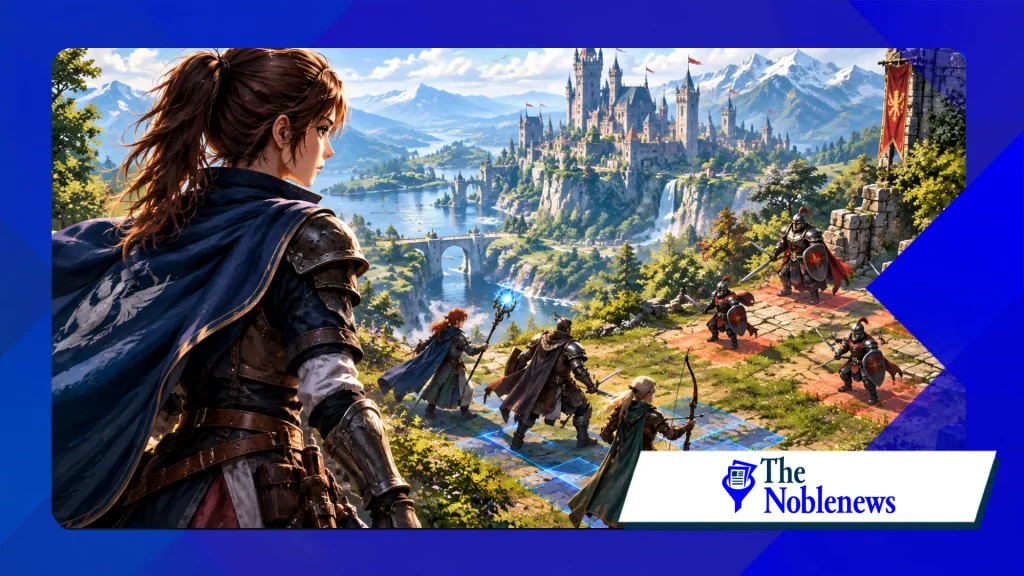
Which Market Conditions Made 2026 the Breakout Year for Strategy?
Mid-sized studios have taken over leadership of this genre, filling a structural void left by massive publishers.
Development budgets for high-end graphics have hit unsustainable levels, forcing smaller teams to compete entirely on system architecture and design intelligence.
According to global market trend reports from industry analytics firm Newzoo, player engagement metrics for turn-based strategy and tactical titles have risen steadily as mid-tier developers capitalize on lean, high-value production models.
Community engagement model evolutions have accelerated this expansion.
Tactical games thrive under Steam Early Access models, where hard-core strategy fans stress-test balance algorithms, unit stats, and AI behavior alongside developers over months of active balancing.
Why Is Advanced Enemy AI Changing the Genre Dynamics?
Enemy encounters in legacy strategy games relied heavily on artificial stat inflation to create difficulty.
Enemies hit harder and possessed inflated health pools, but exhibited simple pathfinding that players easily exploited.
Current-generation tactical titles utilize adaptive behavior trees.
Computer-controlled units evaluate flank angles, coordinate targeted focus-firing against isolated healers, and actively pull back when wounded to setup counter-ambushes.
Read more: The impact of game streaming platforms growth on discovery
Procedural threat assessment algorithms ensure that no two playthroughs play out identically.
Players must constantly read the battlefield state rather than simply memorizing ideal unit placement patterns from online wikis.
What Role Do AA and Indie Developers Play in This Renaissance?
Indie studios remain the true research and development arm of tactical game design.
Free from corporate risk-aversion, small teams regularly experiment with hybrid genre crossovers that combine deck-building, roguelike loops, or auto-battler mechanics with traditional isometric grids.
Successes at the indie level consistently prove that complex mechanical depth yields massive long-term player retention.
Word-of-mouth marketing within core strategy communities routinely drives mid-budget tactical titles into multi-million unit sellers.
++ Why trail running fitness attracts former gym enthusiasts
Publishers now actively recruit top modding talent from classic strategy communities to lead new commercial projects.
This direct pipeline from core fanbase to lead designer ensures incoming titles address specific player demands precision-engineered for maximum engagement.
How Does Modern Storytelling Enhance Tactical Systems?
Narrative design in modern tactical games mirrors the branching nature of their combat systems.
Player choices during tactical missions directly alter political factions, party loyalty, and late-game storyline trajectories.
Permadeath mechanics have evolved beyond simple punishment tools.
Losing a valuable unit in 2026 creates emergent narrative consequences, reshaping party dynamics and opening up unique, revenge-driven quest lines rather than forcing an immediate save-file reload.
According to extensive digital preservation archives maintained by the Internet Archive, early tactical classics established narrative weight through dialogue trees, but modern releases fully integrate narrative stakes directly into turn-by-turn mechanics.
What Is the Future Outlook for Tactical RPG Games?
The renaissance of tactical RPGs represents a permanent structural adjustment in player demand rather than a passing trend.
As players continue prioritizing strategic agency, fair challenge models, and deep mechanical synergy over superficial graphical showcases, tactical games will remain at the forefront of core gaming culture.
Future innovations will likely refine asymmetric multiplayer modes, seamless cross-platform progression, and integrated level editors that allow players to publish custom scenario maps directly to global communities.
Frequently Asked Questions
What defines a tactical RPG compared to a traditional RPG?
Tactical RPGs prioritize position-based grid combat, squad management, and environmental strategy over real-time combat action or pure character stat grinding.
Players control multiple units on a distinct tactical battlefield map during turn-based encounters.
Are tactical RPG games beginner-friendly in 2026?
Yes. Modern titles feature customizable difficulty parameters, rewind functions for tactical errors, clear UI visualizations for line-of-sight and threat ranges, and comprehensive tutorials that teach underlying systems without overwhelming newcomers.
Do modern tactical RPGs run well on handheld consoles?
Tactical RPGs are uniquely suited for handheld platforms like the Steam Deck.
Turn-based combat requires minimal input latency, consumes significantly less battery power than high-fidelity action games, and adapts naturally to suspend/resume features.
Why are developers abandoning heavy RNG in tactical combat?
Excessive randomness often undermines deep strategic planning.
Modern players prefer deterministic mechanics where skill, spatial awareness, and planning guarantee consistent results, rather than losing encounters due to low-probability miss chances.
++ 11 Best Tactical RPGs Worth Your Time: 2026 Edition
++ I’ve been waiting all year for the 2nd Chapter to last year’s best JRPG remake—it did not disappoint
