
The rise of fantasy map collecting among worldbuilding fans
Anuncios
Over the past decade, fantasy map collecting has evolved from a niche hobby tucked into the back pages of roleplaying manuals into a thriving intersection of fine art, literary appreciation, and interior design.
Walk into almost any modern home office, gaming room, or library belonging to a speculative fiction enthusiast, and you will likely spot a framed piece of imaginary geography hanging on the wall.
Fans of epic novels, tabletop roleplaying games (TTRPGs), and sprawling video game franchises increasingly treat fictional cartography not merely as a navigation aid, but as standalone collectible artwork.
Whether you are looking to commission a custom continent for your homebrew campaign or hunt down archival prints of Middle-earth, navigating this growing market requires understanding what makes fictional cartography valuable, durable, and authentic.
Conclusiones clave
- Maps Anchor Worldbuilding: For fantasy readers and gamers, maps transform abstract lore into tangible places, making them deeply personal collectibles.
- Diverse Formats Exist: Collectors choose between mass-produced posters, signed limited-edition giclée prints, hand-drawn original ink illustrations, and engraved wood or leather pieces.
- Artist Recognition Matters: Modern fantasy cartographers are celebrated creators in their own right, with original works and small-batch runs holding the strongest collector appeal.
- Preservation Protects Value: Archival paper, pigment-based inks, and UV-filtering framing prevent fading and paper degradation over time.
Why Are Worldbuilding Fans Collecting Fantasy Maps?
For generations, the map printed on the endpapers of a hardcover novel served a practical purpose: helping readers track a hero’s journey across unfamiliar terrain. J.R.R.
Tolkien famously sketched the intricate topography of Middle-earth—later finalized and inked by his son, Christopher Tolkien—setting a visual standard that defines high fantasy to this day.
Readers can explore Tolkien’s original cartographic manuscripts and worldbuilding notes through collections preserved by institutions like the Bodleian Libraries at the University of Oxford.Today, several cultural shifts have turned those endpaper illustrations into centerpiece wall art:
The Tabletop Gaming Boom: The surge in popularity of tabletop roleplaying games like Mazmorras y dragones has turned millions of players and Game Masters into active worldbuilders.
A physical map on the table—or framed above it—grounds collaborative storytelling in a shared physical space.
Cross-Media Franchises: Massive television adaptations, open-world video games, and book series have created unified visual identities for fictional worlds.
Fans who invest dozens of hours exploring Tamriel, Westeros, or Roshar want physical artifacts that commemorate those experiences.
Elevated Geek Decor: Modern fandom favors subtle, sophisticated aesthetics over loud promotional posters.
An antique-style parchment map rendered with classical calligraphy and hand-drawn mountain ranges blends seamlessly into traditional home decor while signaling a love for speculative fiction.
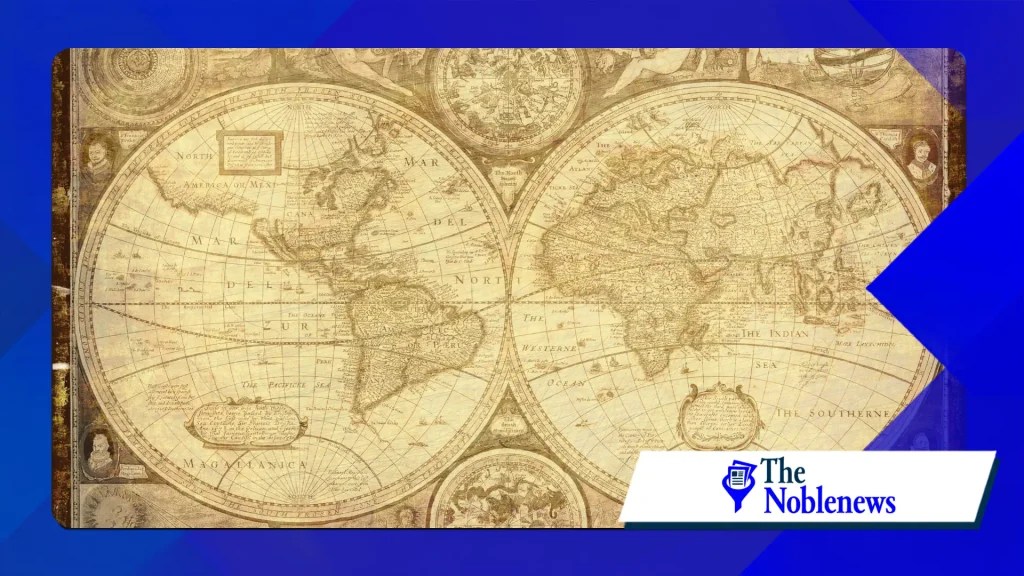
What Types of Fantasy Maps Do Collectors Seek?
Not all fictional maps are produced or valued the same way. As the market has matured, distinct tiers of collectibles have emerged to suit different budgets and aesthetic preferences.
++ Cómo el hobby de pintar miniaturas atrae a un nuevo público friki
| Map Category | Typical Materials | Price Range (USD) | Mejor para |
| Commercial Lithographs & Posters | Glossy or matte poster stock, offset printing | $15 – $50 | Casual fans, dorm rooms, budget-friendly decor |
| Archival Giclée Prints | Heavyweight cotton rag paper, pigment inks | $50 – $250 | Serious collectors seeking museum-grade color and longevity |
| Engraved Wood, Metal & Leather | Laser-etched birch, brass, or vegetable-tanned hide | $80 – $400+ | Tactile display pieces and gaming table centerpieces |
| Original Hand-Drawn Ink Maps | Dip pen, India ink, watercolor on vellum or Bristol board | $300 – $3,000+ | Fine art collectors and bespoke campaign commissions |
Official Literary and Franchise Editions
Licensed maps tied to major books, films, and video games remain the entry point for most collectors.
Independent publishers and specialty studios frequently collaborate with authors and estates to produce deluxe editions.
Maps of George R.R. Martin’s The Known World, Brandon Sanderson’s Cosmere, or CD Projekt Red’s The Continent often sell out quickly when released as signed or numbered runs.
Independent Cartographer Commissions
A major driver of the hobby is the rise of independent fantasy cartographers—artists who specialize exclusively in hand-drawn or digitally painted geography.
Through platforms like Kickstarter, Patreon, and specialized art conventions, these creators sell original world maps, city blueprints, and regional atlases.
++ Cómo el hobby de pintar miniaturas atrae a un nuevo público friki
Many collectors also commission custom maps of their own novel settings or TTRPG campaigns, resulting in one-of-a-kind artwork.
Historical-Style Fantasy Cartography
Some collectors gravitate toward maps that mimic real-world historical techniques.
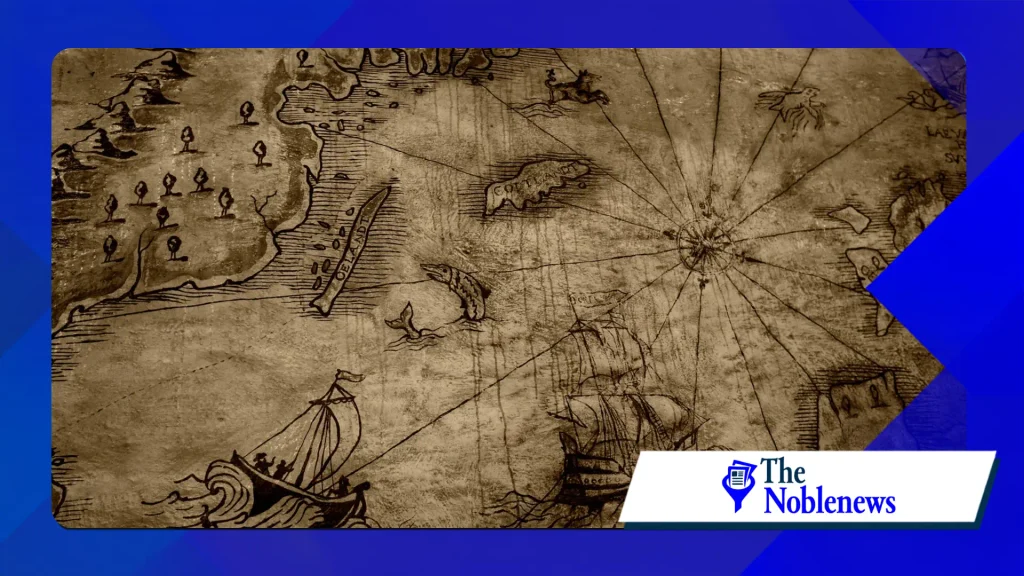
These pieces draw inspiration from 16th- and 17th-century European cartography, featuring compass roses, rhumb lines, sea monsters, and Latinate or invented scripts.
You can see the real-world historical precedents that inspire these fantasy artists in the digitized collections of the Library of Congress Geography and Map Division.
How to Start a Fantasy Map Collection
Building a cohesive collection takes more than buying the first print that catches your eye.
Approaching the hobby with a clear focus prevents clutter and ensures every piece holds lasting visual and personal appeal.
Define Your Theme or Medium: Decide whether you want to collect maps tied to specific franchises, focus on a single artist’s catalog, or curate pieces united by a visual style, such as black-and-white ink linework or topographical relief maps.
Verify Print Quality and Authenticity: When buying art prints, check the product specifications for terms like “archival,” “acid-free,” and “pigment-based ink.”
Standard dye-based prints on wood-pulp paper can yellow and fade within a few years, especially in sunlit rooms.
Inspect Edition Details: For limited-edition runs, look for hand-numbering, artist signatures, or certificates of authenticity.
While resale value is never guaranteed in niche collectibles, verified small-batch prints tend to hold stronger long-term desirability among fellow fans.
Invest in Proper Framing: Because fantasy maps rely heavily on fine linework and small typography, glare and paper warping quickly ruin the viewing experience.
Standard off-the-shelf frames work for inexpensive posters, but valuable prints benefit from acid-free matting and UV-filtering acrylic or museum glass.
Caring for Paper and Parchment Collectibles
Paper collectibles are sensitive to light, humidity, and temperature swings. Avoid hanging prized maps directly above radiators, fireplaces, or damp basement walls.
When storing unframed prints, keep them flat in archival portfolio sleeves rather than tightly rolled in cardboard tubes, as prolonged rolling causes fibers to curl and makes framing difficult later.
Conclusión
El aumento en fantasy map collecting reflects how deeply modern audiences connect with imaginary worlds.
What began as helpful ink sketches tucked inside hardcover novels has matured into a respected art form celebrated by readers, gamers, and interior design enthusiasts alike.
If you are ready to start your own collection, pick one fictional realm or independent cartographer whose work resonates with you, look for an archival-grade print, and give it a proper frame where you can study every coastline and mountain pass.
Preguntas frecuentes
What makes a fantasy map valuable to collectors?
Value typically depends on scarcity, production quality, and creator involvement.
Hand-drawn original ink maps, signed limited-edition runs, and out-of-print official maps tied to major literary or gaming franchises generally command the highest prices on the secondary market.
What is the difference between a regular poster and a giclée fantasy map print?
Regular posters are usually printed in bulk using standard inks on thin, wood-pulp paper that can fade or yellow over time.
Giclée prints use high-resolution archival pigment inks sprayed onto heavyweight, acid-free cotton rag or archival matte paper, offering sharper line detail and decades of fade resistance.
Where can I buy authentic independent fantasy maps?
Many independent fantasy cartographers sell directly through their personal websites, convention artist alleys, and crowdfunding platforms like Kickstarter.
Purchasing directly from the artist or an authorized specialty publisher ensures you receive an authentic print rather than an unauthorized low-resolution copy.
How should I flatten a fantasy map that arrived rolled in a tube?
Place the map carefully on a clean, dry, flat surface and lay a sheet of clean acid-free paper or parchment paper over the artwork.
Set flat, heavy objects—such as large hardcover books—evenly across the surface for 24 to 48 hours until the paper relaxes naturally without creasing.
++ Art of the Genre: Maps and World-Building
++ Concerning Fantasy Maps and Tolkien Cartography
\