
How capsule toy culture became a worldwide collecting trend
Anúncios
Exploring the massive rise of capsule toy culture reveals a fascinating journey from niche Japanese vending machines to an undeniable global phenomenon capturing millions of enthusiastic collectors today.
Enthusiasts worldwide constantly hunt for limited-edition miniatures, driving a vibrant secondary market that blends pure nostalgia with high-quality artistic craftsmanship across international borders on a daily basis.
Understanding this expansive hobby requires closely examining its deep historical roots, profound psychological appeal, and massive current economic impact within the ever-growing modern geek community worldwide.
Our comprehensive guide below thoroughly covers the earliest origins, hidden psychological factors, mature adult market evolution, massive economic impact, and frequently asked questions about these beloved miniature collectibles.

What is the historical origin of these miniature wonders?
Bandai officially trademarked the popular term “Gashapon” in 1977, setting an incredible gold standard for vending machine toys that quickly dominated massive Japanese retail landscapes everywhere.
Long before that specific milestone, resourceful American companies actually pioneered early bulk vending concepts during the late nineteenth century, dispensing chewing gum and cheap novelty trinkets.
Japanese manufacturers later brilliantly refined those primitive machines, replacing low-quality plastic trinkets with highly detailed licensed characters that immediately appealed to highly dedicated anime fans.
Creating such incredibly intricate designs required implementing advanced injection molding techniques, ultimately elevating simple plastic prizes into genuine works of fine art suitable for proud display.
Collectors soon realized the undeniable inherent value of these meticulously crafted figures, sparking a domestic capsule toy culture that rapidly spilled into lucrative international markets globally.
Western comic book conventions actively began importing specialized machines during the early 2000s, happily introducing curious attendees to the unique tactile joy of turning a physical coin mechanism.
Why did Japanese gachapon evolve beyond simple plastic trinkets?
Toy makers astutely noticed that older demographics possessed significantly higher disposable incomes compared to young children, prompting a highly strategic shift toward premium collectible product lines.
Adult consumers forcefully demanded superior paint applications and extremely precise sculpting, forcing established manufacturers to collaborate directly with renowned artists and famous global entertainment properties constantly.
Popular media franchises like Pokémon and Gundam generously provided endless source material, practically ensuring a steady stream of highly desirable monthly releases for exceptionally eager fans everywhere.
Expanding current product categories cleverly introduced practical functional items, including adorable cable biters, intricate miniature furniture, and quirky office supplies that found permanent homes on corporate desks.
Humor undeniably plays a massive role in modern creative designs, with completely bizarre visual concepts like animals sitting on public toilets going wildly viral across various social media platforms.
++ Why fan translation projects preserve forgotten classics
Sharing thrilling unboxing videos online greatly amplifies the active community aspect, seamlessly transforming solitary collecting habits into a highly engaging digital entertainment experience for millions of active viewers.
How does the thrill of the blind box drive global sales?
The inherent mystery of randomized surprise purchases effectively triggers massive dopamine release, creating an exciting psychological loop that strongly encourages eager buyers to try just one more time.
Gamification elements clearly make acquiring the entire complete set challenging, as passionate collectors often actively trade unwanted duplicates with close friends to finish their sought-after seasonal collections.
Scarcity tactics heavily influence modern consumer purchasing behavior, because smart companies intentionally produce fewer rare chase figures to artificially inflate secondary market demand and overall item value.
Dedicated fans often rely heavily on reputable platforms like MyFigureCollection to track specific database entries, carefully manage their extensive inventories, and confidently verify rare item authenticity.
Unpredictability magically transforms a very simple retail transaction into a highly memorable event, ensuring that the sheer excitement of unexpected discovery remains permanently central to the hobby’s appeal.
Retailers benefit immensely from this lucrative business model, as the constant relentless pursuit of extremely rare variants virtually guarantees exceptionally high turnover rates for relatively inexpensive store inventory.
Taking operations globally meant strategically adapting these compelling psychological hooks for massive Western audiences, who quickly embraced the sheer excitement of completely unpredictable miniature designer art toys.
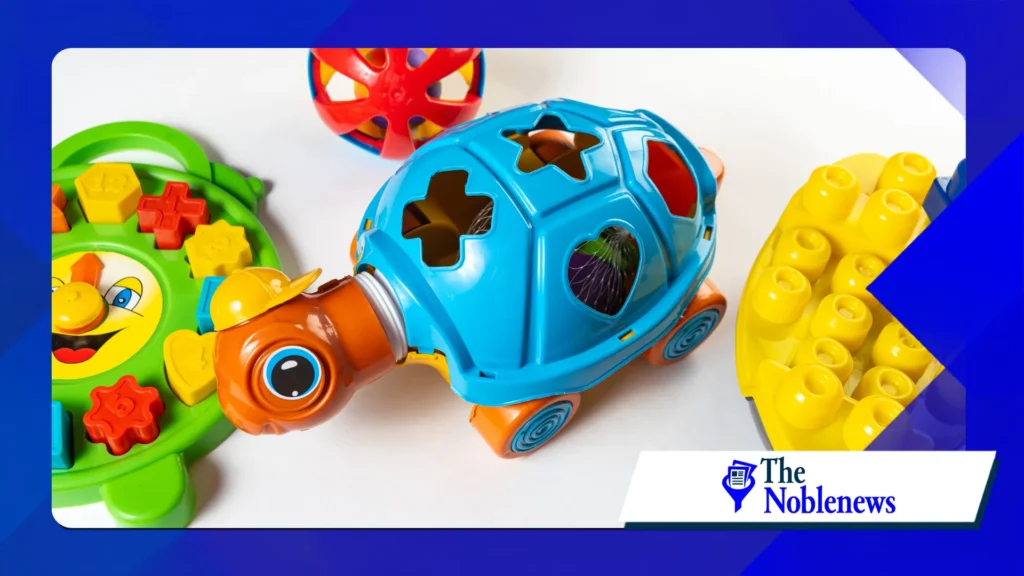
Which factors transformed these toys into adult collectibles? capsule toy culture
Pop Mart completely revolutionized capsule toy culture by introducing premium sealed blind boxes featuring brilliant original artistic characters rather than relying solely on established television properties.
Collaborations with prominent international street artists successfully elevated the entire medium, beautifully bridging the vast gap between accessible plastic toys and highly expensive designer art pieces for mature audiences.
Interior design trends also contributed significantly to the boom, as minimalist modern apartments benefit greatly from small, carefully curated displays rather than bulky traditional oversized action figures.
Nostalgia consistently acts as a highly powerful catalyst for older millennials seeking tangible physical connections to their fondest childhood memories without necessarily sacrificing high adult aesthetic standards.
Specialized retail stores now operate successfully in major international cities, actively providing highly immersive shopping environments designed specifically to attract sophisticated adult spending power and attention.
Read more: How Geek Culture Shapes Modern Marketing Strategies
Analyzing recent detailed industry metrics reveals fascinating demographic shifts, clearly highlighting exactly how mature audiences currently dominate the massive modern random miniature market landscape today.
| Collector Demographic | Average Monthly Spend | Primary Purchase Motivation | Preferred Category |
| Teenagers (13-17) | $15 – $30 | Anime franchises | Action figures |
| Young Adults (18-24) | $40 – $80 | Social media trends | Quirky/Humorous |
| Professionals (25-35) | $100 – $200 | Designer collaborations | Art toys |
| Veterans (36+) | $50 – $150 | Nostalgia/Completionism | Scale models |
What are the economic impacts of this booming market today?
Global designer markets and capsule toy culture experienced truly explosive financial growth over the last decade, consistently generating multiple billions annually through primary retail and lucrative secondary channels.
Manufacturing hubs located primarily throughout Asia continuously optimize their complex supply chains to successfully meet insatiable international consumer demand while simultaneously keeping individual unit production costs remarkably low.
Independent freelance artists gain truly unprecedented global exposure by officially licensing their unique personal designs to major corporate producers, effectively creating lucrative passive income streams and massive brand recognition.
Scalpers occasionally disrupt the fragile collecting ecosystem by aggressively buying out entire loaded machines, unfortunately forcing authentic collectors to pay exorbitant financial markups on specialized auction websites.
Responsible toy companies actively combat aggressive scalping by significantly increasing standard production runs for highly anticipated miniature sets, ensuring much broader retail availability and successfully stabilizing chaotic secondary prices.
++ The impact of game streaming platforms growth on discovery
Physical retail mall spaces rely incredibly heavily on these highly compact profit generators, effectively maximizing essential monthly revenue per square foot in terribly expensive shopping centers across America.
Why is sustainability becoming crucial for future manufacturing?
Environmental concerns currently present highly significant challenges for an evolving industry historically heavily reliant on single-use virgin plastics and entirely non-recyclable protective outer shells for absolutely every manufactured product.
Forward-thinking creative brands currently experiment heavily with advanced biodegradable materials, desperately attempting to reduce their massive carbon footprint without negatively compromising the vital structural integrity of highly complex miniatures.
Eliminating the classic traditional plastic outer shell entirely represents another incredibly innovative eco-friendly approach, where the actual sturdy toy itself forms the reliable protective sphere during international shipping and display.
Conscious global consumers increasingly demand strict eco-friendly corporate practices, forcefully pushing major manufacturing corporations to properly adopt significantly greener production standards across their entire extensive global supply chains immediately.
Future industry success relies incredibly heavily on perfectly balancing highly affordable mass production strategies with exceptionally strict environmental responsibility to successfully maintain positive public relations and deep customer loyalty.
Conclusion
This incredible historical journey of capsule toy culture perfectly highlights humanity’s deeply enduring fascination with tiny miniature art, gamified retail discovery, and vibrantly active community interaction worldwide.
Moving constantly forward, carefully striking a perfect balance between premium exclusive artistic collaborations and highly accessible consumer pricing will ultimately determine the vital long-term viability of this beloved hobby.
Whether you actively seek incredibly rare designer vinyl figures or simple quirky desk decorations, the universally shared joy of slowly opening a completely random sealed box remains completely unmatched.
For further detailed insights regarding the complex financial business metrics behind these massive collectibles, curious readers can always thoroughly explore current industry reports published by Bloomberg News today.
Frequently Asked Questions
What is the most expensive gachapon ever sold?
While standard neighborhood machines usually charge mere pocket change, incredibly rare gold-plated promotional chase variants have occasionally fetched multiple thousands of dollars at specialized elite collector auctions globally.
How do blind boxes differ from traditional gashapon?
Traditional Japanese machines always require physically inserting metal coins and manually turning a plastic dial, whereas modern Western blind boxes involve purchasing completely sealed opaque cardboard packages directly from retailers.
Which materials are primarily used for these miniatures?
Most standard miniature collectible figures proudly utilize exceptionally high-grade Polyvinyl Chloride and solid Acrylonitrile Butadiene Styrene to consistently achieve incredibly sharp artistic details and highly durable, long-lasting physical construction.
When did Pop Mart start dominating the American market?
Massive designer toy giants rapidly accelerated their aggressive Western expansion around early 2021, successfully opening numerous highly dedicated premium retail boutiques in major high-traffic upscale shopping centers everywhere.
++ Capsule toys capture overseas visitors in Japan’s latest cultural craze
++ Capsule Toys 101: A Beginner’s Guide to Gashapon Culture
