
¿Por qué las comunidades de fotografía analógica siguen expandiéndose en línea?
Anuncios
En una era dominada por las subidas instantáneas de contenido desde teléfonos inteligentes y las imágenes generadas por IA, una sorprendente contratendencia sigue acelerándose: comunidades de fotografía analógica se están expandiendo rápidamente en línea.
En lugar de tratar el cine como una reliquia obsoleta, una nueva generación de narradores visuales se está reuniendo en plataformas como Reddit, Discord e Instagram para compartir resultados de escaneo, solucionar problemas mecánicos de equipos antiguos e intercambiar películas raras.
Este auge no se debe únicamente a la pura nostalgia. Representa un cambio cultural intencional hacia la artesanía táctil, la intencionalidad y la conexión humana auténtica en los espacios creativos modernos.
Conclusiones clave
- Las comunidades cinematográficas prosperan en línea porque los flujos de trabajo híbridos modernos combinan las técnicas tradicionales de cuarto oscuro con la distribución digital global.
- Los grupos en línea proporcionan conocimientos esenciales, obtenidos mediante la colaboración colectiva, para la búsqueda, reparación y funcionamiento de cámaras mecánicas descatalogadas.
- La demanda de texturas visuales orgánicas y sin manipular impulsa a los creadores más jóvenes hacia espacios sociales centrados en el cine.
- Las microcomunidades descentralizadas en plataformas como Discord están reemplazando a los clubes de fotografía tradicionales al ofrecer comentarios instantáneos e intercambios locales de equipos.
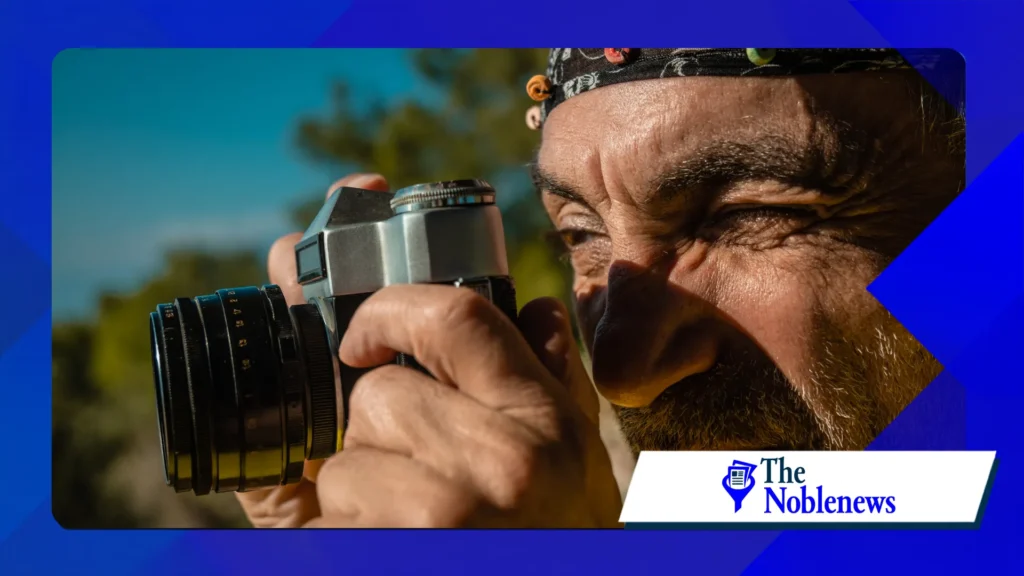
¿Por qué están creciendo las comunidades de fotografía analógica en un mundo digital?
Las cámaras digitales ofrecen velocidad, enfoque automático preciso y almacenamiento ilimitado. Sin embargo, los creadores buscan activamente limitar el número de exposiciones y obtener una gratificación postergada.
La naturaleza deliberada de la fotografía analógica impone una postura mental completamente diferente durante el proceso creativo.
Las plataformas en línea permiten a los aficionados al cine evitar el aislamiento de los cuartos oscuros físicos.
Los fotógrafos ya no necesitan un club de fotografía local para encontrar colegas que entiendan la química del color o las características de los objetivos antiguos.
Los centros de fotografía analógica de Reddit y los servidores dedicados de Discord conectan a millones de aficionados de todo el mundo cada día, convirtiendo un pasatiempo creativo solitario en un esfuerzo colaborativo en tiempo real.
En lugar de competir con los medios digitales, el cine ocupa un espacio emocional propio.
Los creadores suelen compartir imágenes específicamente para analizar los matices de la atenuación de la luz, la estructura del grano y la sensación mecánica.
Estos espacios en línea valoran tanto el proceso como el resultado final, creando un ecosistema propicio para el aprendizaje.
¿Cómo impulsaron los flujos de trabajo híbridos el resurgimiento del cine en línea?
El procesamiento de películas ya no termina con la impresión física. Los profesionales modernos utilizan escáneres planos de alta resolución, sistemas de escaneo con cámaras digitales y software especializado para digitalizar sus negativos.
El proceso comienza cuando un fotógrafo expone una imagen sobre emulsión física.
Tras revelar el rollo mediante química líquida, el negativo se digitaliza en un archivo RAW de alto rango dinámico. A partir de ahí, el archivo digital se comparte a través de redes globales.
Este flujo de trabajo híbrido permite a los fotógrafos disfrutar de la experiencia táctil y mecánica de fotografiar con equipo manual, al tiempo que aprovechan la infraestructura digital para el almacenamiento, la presentación de portafolios y la distribución en redes sociales.
++ El auge de los lugares para la fotografía urbana más allá de los monumentos emblemáticos.
Las plataformas sociales actúan como galerías modernas donde los metadatos técnicos —como el modelo de cámara, el objetivo, la velocidad de obturación y el tipo de película— se indexan y etiquetan de forma rutinaria, creando un archivo global consultable de la técnica analógica.
¿Por qué la Generación Z está liderando el regreso al cine?
Los creadores más jóvenes, que crecieron con los algoritmos de los feeds, suelen considerar las imágenes digitales como algo desechable.
Una foto tomada con un teléfono inteligente no cuesta nada y no ocupa espacio físico, lo que paradójicamente reduce su valor percibido.
El cine introduce limitaciones físicas que alteran fundamentalmente la forma en que un creador de imágenes interactúa con el mundo.
Saber que cada fotograma cuesta dinero obliga a un proceso de rodaje más lento y minucioso, donde el encuadre y la evaluación de la luz tienen prioridad.
Las imperfecciones visuales —grano, sutiles cambios de color y halos— proporcionan una textura distintiva que los ajustes preestablecidos digitales tienen dificultades para replicar de forma convincente.
Análisis del mercado de la industria realizado por organizaciones como la Centro de Investigación PewEsto demuestra que los grupos demográficos más jóvenes buscan activamente el equilibrio digital a través de pasatiempos táctiles, lo que convierte al cine en un medio primordial para la atención plena creativa.
Al alejarse de la reproducción instantánea, los jóvenes fotógrafos redescubren el placer de la anticipación.
Esperar días o semanas para recoger los negativos revelados en un laboratorio local añade tensión narrativa al proceso creativo, convirtiendo la recuperación de imágenes en un acontecimiento gratificante en lugar de una rutina monótona.

¿Cómo resuelven las comunidades en línea los problemas de suministro y hardware?
La infraestructura analógica se enfrenta a desafíos materiales reales, como el aumento de los precios de las películas, la discontinuación de existencias y el envejecimiento de los equipos fotográficos.
Dado que ningún fabricante importante produce actualmente cámaras réflex de película mecánicas complejas, los fotógrafos dependen por completo del inventario existente fabricado hace décadas.
Leer más: Ética en la fotografía callejera: cómo fotografiar con respeto
Las comunidades en línea funcionan como centros logísticos esenciales que mantienen el medio accesible.
| Tipo de centro comunitario | Función primaria | Valor clave para los profesionales |
| Reddit (por ejemplo, r/analog) | Compartir imágenes y realizar críticas | Exposición a gran volumen, pruebas de stock, retroalimentación técnica constructiva. |
| Servidores de Discord especializados | Chat en tiempo real y reparación mecánica | Solución inmediata de problemas como persianas atascadas, sustitución de juntas de estanqueidad y trucos caseros. |
| YouTube y Substack | Educación en profundidad y reseñas extensas | Desmontaje de equipos, guías de química química y tutoriales para el procesamiento casero. |
| Foros de compra/venta | Mercados de equipos entre particulares | Intercambio verificado de cuerpos de cámaras antiguas, objetivos y películas caducadas almacenadas en frío. |
Sin estas redes de pares en línea, reparar una cámara mecánica de la década de 1970 o aprender a procesar fotos en casa mediante procesos químicos requeriría un método de ensayo y error muy exigente.
Los miembros experimentados de la comunidad distribuyen libremente manuales de reparación digitalizados, solucionan problemas de fugas de luz mediante imágenes subidas a la plataforma y coordinan compras grupales de rollos de película para reducir los costos individuales.
Las iniciativas lideradas por la comunidad incluso han impulsado esfuerzos de fabricación independientes.
++ ¿Por qué las salas de cine premium de gran formato siguen atrayendo público?
Los proyectos financiados mediante micromecenazgo para nuevos procesadores de película, fotómetros y bobinas de película cinematográfica recicladas suelen originarse en estos foros digitales, lo que demuestra cómo el entusiasmo en línea se traduce en soluciones de fabricación reales.
¿Qué papel juega la autenticidad visual en las redes sociales modernas?
El público está cada vez más cansado de la estética digital hiperpulida, las representaciones sintéticas generadas por IA y las fotos de móviles con filtros excesivos.
La estética táctil y sin manipulaciones del cine ofrece una autoridad visual inmediata y una profundidad emocional.
- Reproducción de color orgánica: Las emulsiones fotográficas reproducen las luces, las sombras y los tonos de piel con suaves gradientes que los sensores digitales suelen recortar o aplanar.
- Defectos intencionales: Las sutiles filtraciones de luz, las motas de polvo y el grano natural añaden peso narrativo y presencia humana a temas cotidianos.
- Valor documental: Los negativos de las películas sirven como recibos físicos inalterables, ofreciendo una confianza implícita en una era en la que los archivos digitales se alteran fácilmente.
Museos e instituciones culturales, como el Institución Smithsonian, hacen hincapié en la preservación de los registros visuales físicos para salvaguardar el patrimonio cultural.
Las comunidades en línea reflejan este impulso al catalogar momentos del mundo real con carácter de archivo permanente, animando a los profesionales a imprimir y almacenar sus negativos de forma sistemática.
Cómo los encuentros en línea se traducen en cultura fuera de línea
Las conexiones en línea suelen trasladarse a encuentros creativos en el mundo real.
Las sesiones fotográficas organizadas a través de Discord o Instagram reúnen a fotógrafos de diferentes niveles de habilidad para explorar entornos urbanos, probar equipos y crear redes locales.
Estos eventos presenciales refuerzan los lazos comunitarios. Los principiantes reciben instrucción práctica de fotógrafos experimentados que con gusto prestan lentes antiguos o demuestran las técnicas de medición adecuadas.
El espacio digital sirve como columna vertebral de la organización, mientras que la experiencia física compartida consolida amistades a largo plazo y colaboraciones creativas.
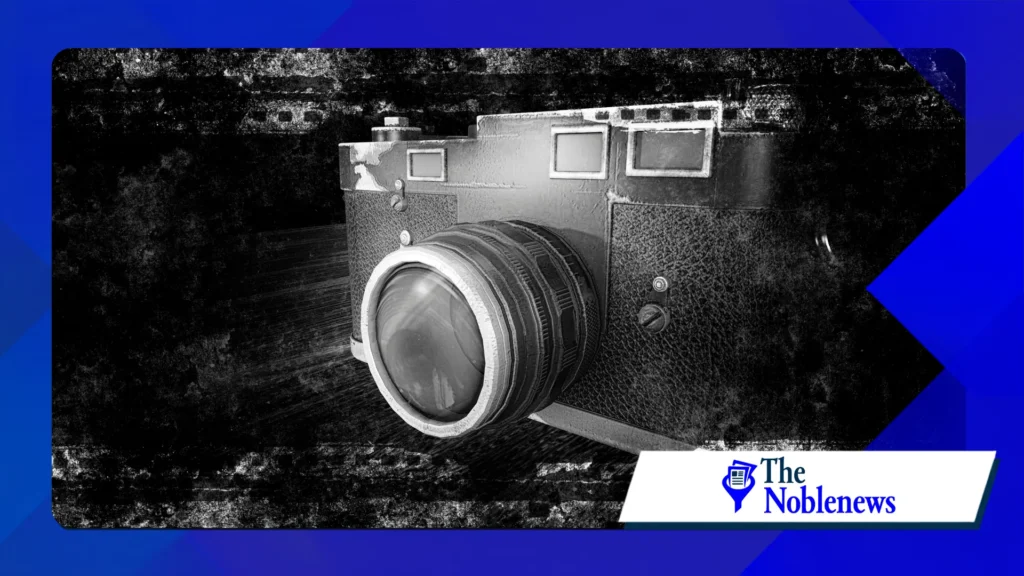
El futuro de los espacios analógicos y digitales
A medida que avanza la tecnología digital, la distinción entre la eficiencia digital y la artesanía analógica se hace más evidente.
Las comunidades cinematográficas en línea no son una moda pasajera; son un ecosistema digital maduro que protege un medio artístico.
Al proporcionar formación, asistencia técnica, acceso al mercado y apoyo entre pares, estas redes garantizan que la fotografía tradicional con haluro de plata siga siendo viable.
La expansión de estos espacios demuestra que la tecnología no siempre elimina los métodos tradicionales; a veces, proporciona la plataforma precisa necesaria para mantenerlos vivos.
Preguntas frecuentes
¿Por qué la película analógica es tan cara ahora mismo?
El aumento de la demanda mundial, sumado a los cuellos de botella en la cadena de suministro y al incremento de los costes de las materias primas (como la plata), ha provocado un alza de los precios.
Las comunidades en línea ayudan a los cineastas a gestionar los costes mediante la compra de rollos de película a granel, compartiendo consejos sobre películas caducadas y organizando la preparación casera de productos químicos.
¿Dónde pueden encontrar los principiantes comunidades fiables de fotografía analógica?
Subreddits como r/analog y r/analogcommunity ofrecen excelentes puntos de partida para críticas y preguntas técnicas.
Los canales especializados de Discord, los grupos regionales de fotografía organizados en redes sociales y los foros web específicos sobre cámaras también ofrecen consejos para principiantes.
¿Necesito un cuarto oscuro físico para fotografiar con película hoy en día?
No. La mayoría de los fotógrafos contemporáneos que usan película procesan sus películas en casa con tanques compactos de luz diurna y digitalizan los negativos con escáneres de cámara digital o escáneres planos, eliminando la necesidad de un cuarto oscuro dedicado.
¿Qué cámara de fotos analógica debería comprar primero un principiante?
Las cámaras réflex de 35 mm totalmente manuales, como la Canon AE-1, la Pentax K1000 o la Olympus OM-1, siguen siendo las favoritas de la comunidad debido a su fiabilidad mecánica, su amplio ecosistema de objetivos y la abundante documentación de reparación disponible en línea.
++ Por qué usamos película: el resurgimiento de la fotografía analógica en la era digital.
\