
El crecimiento de las editoriales de cómics independientes más allá de los libros de superhéroes.
Anuncios
Editoriales de cómics independientes están transformando el panorama mundial del arte secuencial al expandir rápidamente su cuota de mercado fuera de las narrativas tradicionales de superhéroes.
Si bien las capas y las capuchas dominaron en su momento los estantes del mercado directo, los lectores modernos exigen cada vez más géneros diversos, libertad creativa y una narrativa visual literaria sofisticada.
En consecuencia, las novelas gráficas independientes alcanzan ahora valoraciones multimillonarias en los canales de distribución minorista y digital de todo el mundo.
Este exhaustivo análisis del sector explora cómo la propiedad intelectual por parte de los creadores, la diversificación de géneros y las adaptaciones multimedia impulsan un crecimiento sin precedentes para los títulos que no son de superhéroes en el ecosistema editorial actual.
Tabla de contenido
- ¿Por qué el mercado directo se está alejando de los superhéroes?
- ¿Cómo empoderan los contratos de propiedad del creador a los artistas independientes?
- ¿Qué géneros impulsan las ventas de cómics independientes modernos?
- Datos del sector: Cuota de mercado y distribución por formato
- Preguntas frecuentes
- Conclusión
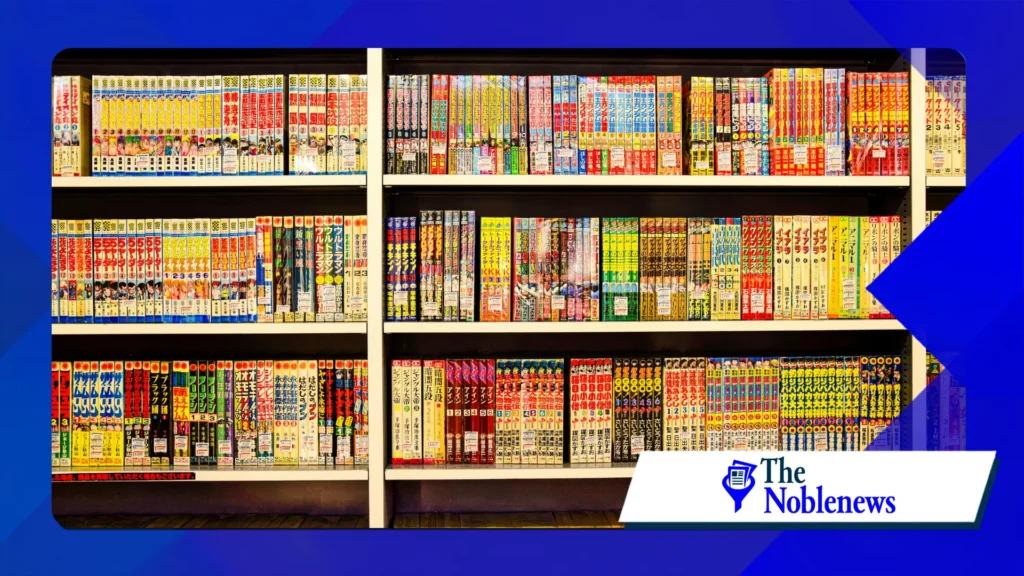
¿Por qué el mercado directo se está alejando de los superhéroes?
Décadas de dominio corporativo de los superhéroes se enfrentan a una creciente competencia a medida que el perfil demográfico de los lectores se inclina hacia la ficción para adultos, el terror, la fantasía y las memorias costumbristas.
El público general suele experimentar cansancio debido a los constantes reinicios del universo, la compleja continuidad argumental y los arcos argumentales repetitivos de los personajes en las principales editoriales tradicionales.
Los lectores modernos priorizan las historias autoconclusivas, la resolución temática clara y una visión artística propia por encima de los eventos que abarcan múltiples títulos.
Más allá del cansancio del público, la distribución masiva a través de cadenas de librerías y librerías independientes ha alterado fundamentalmente los canales de descubrimiento.
Los lectores de primaria y secundaria, los jóvenes adultos y los aficionados a la ficción literaria compran activamente libros de bolsillo y novelas gráficas originales en las librerías tradicionales.
Este cambio permite a los creadores de cómics no relacionados con superhéroes sortear las limitaciones de las tiendas de cómics tradicionales y llegar a un público consumidor masivo y diverso a nivel mundial.
¿Cómo empoderan los contratos de propiedad del creador a los artistas independientes?
Los centros de publicación independientes atraen a talentos de élite principalmente a través de modelos de participación accionaria de los creadores que preservan los derechos de propiedad intelectual.
Los contratos tradicionales de trabajo por encargo en los estudios tradicionales privan a los escritores e ilustradores de la propiedad a largo plazo de los personajes, limitando sus ganancias financieras a tarifas fijas por página.
Por el contrario, empresas como Image Comics, Vault y Boom! Studios permiten a los creadores conservar la plena propiedad intelectual al tiempo que ofrecen una sólida infraestructura de distribución.
Conservar los derechos de licencia multimedia otorga a los artistas un control directo a la hora de negociar adaptaciones para televisión, cine o videojuegos en Hollywood.
Las exitosas franquicias televisivas adaptadas de novelas gráficas independientes demuestran que las propiedades que no son de superhéroes generan enormes beneficios comerciales.
En consecuencia, los escritores y artistas de primer nivel llevan sistemáticamente sus ideas más creativas y originales a sellos independientes en lugar de a franquicias corporativas.
Analistas de la industria en el División de Cómics de la Biblioteca del CongresoCabe señalar que los archivos impulsados por los creadores reflejan un espectro más amplio y culturalmente diverso de la literatura estadounidense que la catalogación tradicional basada en capas y capuchas.
¿Qué géneros impulsan las ventas de cómics independientes modernos?
El terror y la ciencia ficción lideran actualmente el crecimiento de los cómics que no son de superhéroes, cautivando a los lectores a través de premisas originales y una narrativa gráfica sin censura.
Los títulos que exploran el terror psicológico, la fantasía oscura y los futuros distópicos encabezan sistemáticamente las listas de ventas de diamantes y los pedidos de reposición de ediciones de bolsillo.
Además, las memorias gráficas de no ficción y el periodismo histórico atraen a lectores que antes nunca habían visitado una tienda de cómics local.
Las narrativas autobiográficas y las novelas gráficas románticas también experimentan un crecimiento exponencial, impulsado en gran medida por las recomendaciones en las redes sociales y las comunidades de fans en línea.
++ ¿Por qué los fandoms de fantasía urbana siguen creciendo cada año?
Estos géneros priorizan la profunda resonancia emocional, el desarrollo realista de los personajes y los estilos visuales únicos por encima de las escenas de acción espectaculares.
Al satisfacer gustos variados, las editoriales independientes cultivan bases de suscriptores leales y recurrentes que permiten mantener la publicación de series a largo plazo.
Datos del sector: Cuota de mercado y distribución por formato
Los datos ponen de manifiesto cómo los géneros ajenos a los superhéroes y las estructuras de mercado independientes han ampliado su impacto económico.
Leer más: Por qué los proyectos de traducción de fans preservan clásicos olvidados
Se prevé que la industria mundial del cómic alcance un valor de más de 140.000 millones de dólares en 2026, y que los géneros que no son de superhéroes representen una proporción en rápido crecimiento de las ventas físicas y digitales totales.
| Género / Categoría de la editorial | Porcentaje de cuota de mercado | Factores clave de generación de ingresos | Público objetivo principal |
| Títulos de superhéroes | 45.5% | Personajes clásicos, crossovers de eventos | Coleccionistas del mercado directo |
| Formatos de manga y anime | 28.7% | Resúmenes serializados, adaptaciones de anime | Lectores jóvenes y adolescentes |
| Ciencia ficción y fantasía | 26.5% | Creación de mundos, adquisición de opciones para televisión/cine | Lectores de ficción para adultos |
| Terror y crimen | 7.8% | Serie de autor, ediciones de lujo en tapa dura. | Aficionados adultos a las novelas gráficas |
| No ficción y memorias | 5.2% | Distribución académica y educativa | Compradores de libros académicos y generales |
Fuente: Métricas recopiladas del sector editorial sobre los ingresos por formatos físicos y digitales.
¿Cómo aceleran las plataformas digitales el alcance de los cómics independientes?
Los ecosistemas digitales ofrecen ahora a los novelistas gráficos independientes vías directas para llegar a audiencias globales, evitando por completo a los intermediarios de distribución tradicionales.
Las plataformas de financiación colectiva permiten a los creadores presentar proyectos originales, que no son de superhéroes, directamente a los fans, asegurando la financiación completa para la producción antes incluso de imprimir una sola página física.
Simultáneamente, los portales de webcómics y las aplicaciones de suscripción digital ofrecen acceso instantáneo a nivel mundial, convirtiendo títulos independientes de nicho en fenómenos culturales virales de la noche a la mañana.
++ ¿Por qué las comunidades de fotografía analógica siguen expandiéndose en línea?
Este modelo digital reduce significativamente las barreras de entrada para las voces marginadas, permitiendo que historias personales únicas construyan bases de seguidores sostenibles.
En definitiva, la distribución digital cierra la brecha entre el talento independiente y la visibilidad en los medios de comunicación convencionales, impulsando así la continua expansión del mercado.
Preguntas frecuentes
¿Cómo apoyan las editoriales de cómics independientes los derechos de los creadores?
Mayoría editoriales de cómics independientes Utilizar modelos de reparto de beneficios en los que los creadores conserven el 100% de sus derechos de propiedad intelectual.
Las editoriales se encargan de la distribución impresa, el marketing y la logística de venta al por menor, mientras que los creadores mantienen el control creativo total y conservan los lucrativos derechos de adaptación a otros medios.
¿Dónde pueden encontrar los nuevos lectores novelas gráficas que no sean de superhéroes?
Los lectores pueden encontrar cómics que no sean de superhéroes en tiendas de cómics locales, librerías independientes, colecciones de bibliotecas públicas y las principales aplicaciones de lectura digital.
Las librerías tradicionales suelen tener amplias secciones de novelas gráficas organizadas por género, en lugar de por universos de superhéroes.
¿Por qué los estudios de Hollywood están licenciando cómics que no son de superhéroes?
Los estudios licencian activamente títulos independientes porque ofrecen narrativas completas y probadas previamente, con bases de fans establecidas y guiones gráficos visuales.
Los cómics originales de terror, ciencia ficción y crimen proporcionan propiedad intelectual novedosa sin la compleja red de continuidad de un universo compartido.
¿Los cómics físicos siguen vendiéndose mejor que los formatos digitales?
Las novelas gráficas físicas y los números individuales siguen representando más de 601 billones de dólares de los ingresos totales del mercado.
Los coleccionistas prefieren claramente la posesión física, las ediciones de lujo en tapa dura, las portadas alternativas y las ediciones firmadas por el artista, en lugar de los archivos digitales.
Conclusión
La expansión de editoriales de cómics independientes Esto indica una evolución permanente y saludable en la ficción gráfica, lo que demuestra que el medio visual se extiende mucho más allá de los héroes con capa.
Al ofrecer contratos equitativos para los creadores, abarcar diversos géneros y asegurar una sólida distribución en librerías, los sellos independientes continúan ganando cuota de mercado al tiempo que ofrecen obras artísticas innovadoras.
A medida que se amplían las preferencias de los lectores, las historias que no giran en torno a superhéroes seguirán siendo, sin duda, el principal motor de la innovación creativa en el panorama editorial mundial.
Para obtener métricas detalladas sobre estándares de publicación y clasificaciones de mercado, consulte la guía oficial en el Informes sectoriales de la Administración de Pequeñas Empresas de EE. UU. página.
++ Los superhéroes subversivos de los cómics independientes
\