
Come le ispezioni a distanza tramite realtà virtuale consentono di risparmiare tempo nei cantieri.
Annunci
Adottando Ispezioni a distanza in realtà virtualeIn questo modo, i responsabili di progetto e gli addetti alla sicurezza possono accedere virtualmente al cantiere in tempo reale, risolvendo istantaneamente i colli di bottiglia senza dover lasciare l'ufficio.
La gestione di più cantieri edili o industriali comporta tradizionalmente un notevole dispendio di ore in spostamenti, anche solo per approvare una tappa fondamentale o valutare un rischio per la sicurezza.
Punti chiave:
- Elimina completamente gli spostamenti fisici, consentendo a project manager e specialisti di risparmiare decine di ore a settimana.
- Accelerate la risoluzione delle richieste di informazioni (RFI) esaminando il contesto spaziale 3D anziché foto piatte e ambigue.
- Semplificate le procedure di conformità normativa e le verifiche di sicurezza senza interrompere i lavori di costruzione in corso.
- Riunire architetti, ingegneri e clienti simultaneamente nello stesso ambiente digitale per raggiungere un consenso immediato.
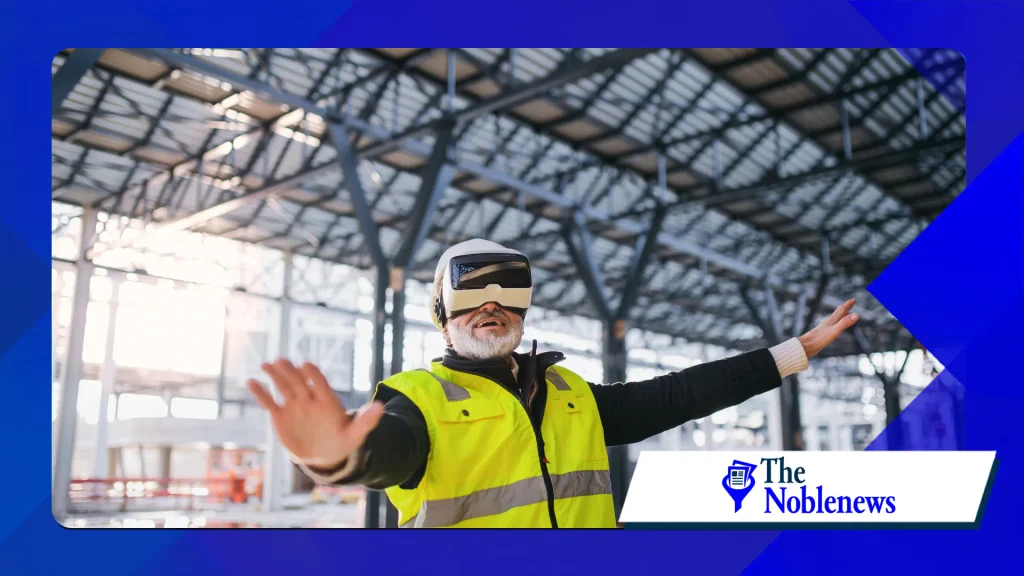
Cosa sono le ispezioni virtuali dei siti e come funzionano?
I team impiegano telecamere a 360 gradi, robot mobili o scanner montati su caschi direttamente sul cantiere per acquisire dati reali. Reti 5G o Wi-Fi 7 ad alta larghezza di banda trasmettono quindi questi dati visivi alle piattaforme cloud.
I partecipanti, dislocati in uffici distanti, indossano moderni visori per la realtà mista, come il Meta Quest 3 o l'Apple Vision Pro, per esplorare la riproduzione digitale dell'ambiente circostante.
Una volta stabilita la connessione, gli utenti remoti possono visualizzare il sito in scala reale. Possono alzare lo sguardo per verificare gli spazi liberi nelle condotte, accovacciarsi per ispezionare gli allacciamenti idraulici e segnalare i difetti utilizzando puntatori laser virtuali.
Gli operatori sul campo comunicano con il team remoto tramite audio bidirezionale, spostando la telecamera o lo scanner in aree specifiche su richiesta.
Questo ponte senza soluzione di continuità tra il luogo fisico e gli uffici aziendali trasforma il modo in cui si svolgono le operazioni quotidiane.
In che modo la realtà virtuale consente di risparmiare tempo sul luogo di lavoro?
L'eliminazione del tempo impiegato per gli spostamenti quotidiani rappresenta il vantaggio in termini di efficienza più evidente.
I responsabili regionali che supervisionavano cinque diversi cantieri commerciali in uno stato in precedenza impiegavano un'intera settimana lavorativa solo per spostarsi da un cantiere all'altro.
La tecnologia immersiva consente allo stesso responsabile di effettuare sopralluoghi completi di tutte e cinque le sedi prima di pranzo.
La latenza decisionale si riduce drasticamente quando il contesto spaziale sostituisce la fotografia 2D.
Quando un responsabile di cantiere riscontra un'interferenza strutturale, la procedura standard prevede di scattare fotografie, redigere una richiesta di informazioni (RFI) e attendere giorni affinché un ingegnere interpreti le immagini bidimensionali.
Gli ambienti virtuali permettono all'ingegnere strutturale di entrare direttamente nella scansione, osservare l'esatta profondità e portata dell'interferenza e autorizzare una soluzione alternativa in quindici minuti.
Le parti interessate evitano inoltre l'incubo logistico di dover programmare visite fisiche simultanee.
Il coordinamento di un architetto, un ingegnere strutturale, un appaltatore di impianti meccanici, elettrici e idraulici e il cliente per un singolo sopralluogo in loco spesso ritarda i progetti di settimane.
++ Come le simulazioni industriali in realtà virtuale migliorano la pianificazione di fabbrica
Le piattaforme virtuali ospitano stanze digitali multigiocatore in cui tutti i partecipanti si connettono simultaneamente da fusi orari diversi, esaminano gli stessi dati spaziali e prendono decisioni vincolanti sul posto.
Quali attività traggono maggior vantaggio dalle simulazioni virtuali?
I protocolli di controllo qualità risultano notevolmente più rapidi quando gestiti da specialisti a distanza.
L'approvazione delle gettate di calcestruzzo, l'ispezione delle armature e il controllo delle strutture richiedono l'occhio esperto ma un'interazione fisica minima.
Gli esperti verificano virtualmente il lavoro e danno immediatamente il via libera, garantendo la continuità del processo critico.
L'identificazione dei pericoli diventa un processo continuo e senza intoppi.
++ Il ruolo dei tutor di intelligenza artificiale in realtà virtuale nell'apprendimento personalizzato
I responsabili della sicurezza conducono quotidianamente ispezioni virtuali per individuare eventuali parapetti mancanti o impalcature installate in modo errato, senza bisogno di indossare tute protettive e di muoversi fisicamente in zone attive e pericolose.
Il monitoraggio dei progressi passa da report settimanali soggettivi a traguardi visivi oggettivi e verificabili.
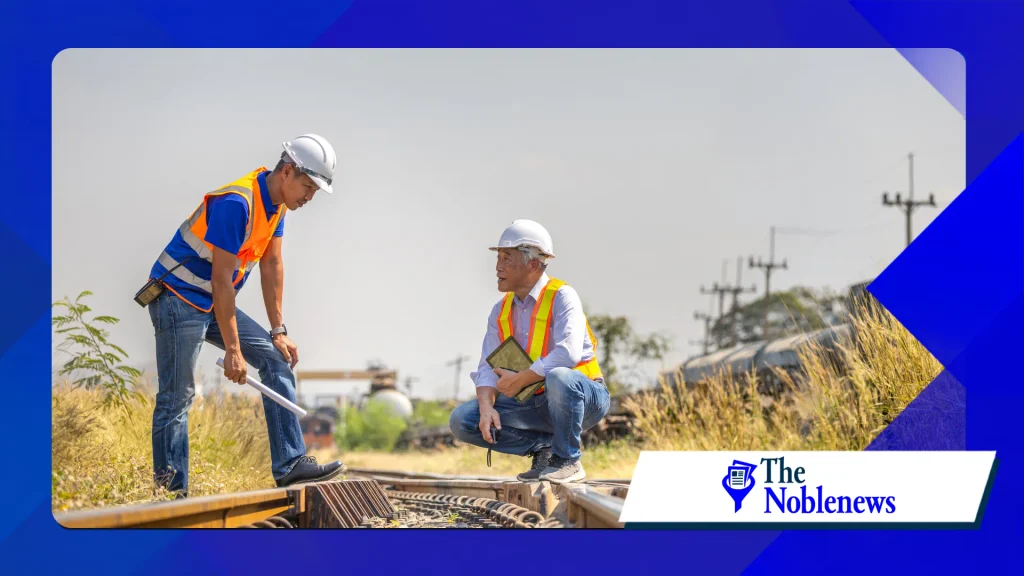
I finanziatori e i clienti possono semplicemente esaminare la ricostruzione 3D per erogare le tranche di finanziamento, evitando così le tradizionali e lunghe visite in loco e le presentazioni.
++ Perché i documentari dominano le piattaforme di streaming
| Attività di ispezione | Tempo del metodo tradizionale | Tempo di esecuzione del metodo remoto VR | Guadagno di efficienza |
| Audit di sicurezza di routine | 4 ore (compreso il viaggio) | 30 minuti | 87% più veloce |
| Risoluzione dei conflitti RFI | Da 3 a 5 giorni lavorativi | Da 1 a 2 ore | Giorni risparmiati |
| Aggiornamento sullo stato di avanzamento del cliente | 1 giornata intera (coordinamento/tour) | 45 minuti | 90% più veloce |
| Approvazione preliminare MEP | 3 ore per sito | 20 minuti per sito | 88% più veloce |
Perché le aziende leader stanno adottando la realtà virtuale per la conformità normativa?
Orientarsi in contesti normativi complessi richiede una documentazione ineccepibile e tempi di risposta rapidi. La mappatura 3D dei cantieri crea una registrazione immutabile e con data e ora delle condizioni in un dato giorno.
Se un ispettore mette in dubbio la profondità di uno scavo o la resistenza al fuoco di una trave d'acciaio settimane dopo che è stata ricoperta, i team di progetto possono semplicemente visualizzare l'ambiente virtuale relativo a quella specifica data per dimostrare la conformità.
I responsabili della sicurezza si affidano sempre più a simulazioni immersive per conformarsi ai rigorosi standard federali.
Esaminando le condizioni del sito da remoto, le aziende affrontano in modo proattivo i problemi descritti in Linee guida OSHA per il riconoscimento dei pericoli prima ancora che arrivino gli ispettori ufficiali.
L'identificazione virtuale di un potenziale rischio di caduta consente al team di correggerlo immediatamente, prevenendo sia infortuni che costosi ordini di interruzione del lavoro.
La verificabilità dei dati spaziali accelera anche le procedure di approvazione a livello comunale.
Nelle principali aree metropolitane, gli uffici edilizi più lungimiranti ora accettano scansioni 3D certificate e tour virtuali in realtà virtuale per le verifiche preliminari di intelaiatura o isolamento, consentendo agli appaltatori di completare i lavori con giorni di anticipo rispetto all'attesa di un ispettore comunale in presenza.
Di quale hardware e software hai bisogno?
Le moderne tecniche di acquisizione immagini sul campo si basano su hardware sorprendentemente leggero. Una telecamera standard a 360 gradi montata su un elmetto di sicurezza mappa automaticamente il sito mentre il responsabile percorre il suo solito tragitto.
Per misurazioni con precisione millimetrica, i team utilizzano scanner LiDAR terrestri o cani robotici autonomi dotati di sensori fotogrammetrici.
Le piattaforme software elaborano questo ingente carico di dati nel cloud quasi istantaneamente.
Questi sistemi sovrappongono la scansione della realtà appena acquisita direttamente ai file BIM (Building Information Modeling) originali, evidenziando automaticamente le discrepanze.
Istituzioni accademiche profondamente coinvolte nella tecnologia delle costruzioni, come Centro di ingegneria integrata degli impianti (CIFE) di Stanford, dimostrano costantemente che l'integrazione dell'acquisizione della realtà con i modelli digitali degli edifici riduce drasticamente i tempi di consegna dei progetti e i costi di rilavorazione.
Gli uffici necessitano solo di visori VR standard per uso commerciale e di una connessione internet stabile.
L'elaborazione avviene da remoto, il che significa che i dirigenti non hanno bisogno di costosi computer da gioco di fascia alta per muoversi agevolmente all'interno di una struttura multimiliardaria.
Fare il passo successivo
Il passaggio alla supervisione virtuale non richiede la completa riorganizzazione delle procedure operative dall'oggi al domani.
Iniziate dotando un responsabile di una telecamera a 360 gradi e incaricando un singolo esperto remoto di esaminare le riprese giornaliere.
Man mano che i risparmi di tempo sui viaggi e sui tempi di risposta alle richieste di informazioni diventano evidenti, estendete l'utilizzo di questa tecnologia ad altri progetti in corso per massimizzare la risorsa più preziosa del vostro team: il tempo.
Domande frequenti
Qual è la velocità di internet necessaria per le ispezioni a distanza tramite realtà virtuale?
Connessioni affidabili a bassa latenza sono fondamentali. I siti necessitano almeno di una solida connessione 4G LTE per il caricamento asincrono di foto a 360°, mentre lo streaming VR in diretta richiede in genere reti 5G o Wi-Fi 6 ad alta larghezza di banda per evitare la cinetosi allo spettatore remoto.
Le ispezioni con realtà virtuale sono legalmente riconosciute dagli ispettori edili?
L'accettazione varia rigorosamente a seconda della giurisdizione. Sebbene molti comuni all'avanguardia consentano l'utilizzo di gemelli digitali per verifiche preliminari e accertamenti sullo stato di avanzamento dei lavori, le approvazioni finali relative alla struttura o alla sicurezza antincendio richiedono generalmente ancora una visita di persona da parte di un funzionario comunale.
È possibile che più persone partecipino alla stessa ispezione virtuale?
Sì. La maggior parte delle piattaforme aziendali supporta sessioni multiutente in cui avatar che rappresentano diverse parti interessate possono occupare la stessa scansione 3D, comunicare tramite audio spaziale e utilizzare strumenti di misurazione digitali in modo collaborativo.
Questa tecnologia sostituisce il responsabile in loco?
No. Gli ambienti virtuali potenziano il team sul campo, mettendo a loro disposizione competenze specialistiche in modo immediato.
Una persona fisicamente presente deve comunque gestire il personale, utilizzare l'hardware di acquisizione ed eseguire fisicamente le correzioni individuate durante la simulazione virtuale.
Per saperne di più: 5 vantaggi delle ispezioni virtuali
\